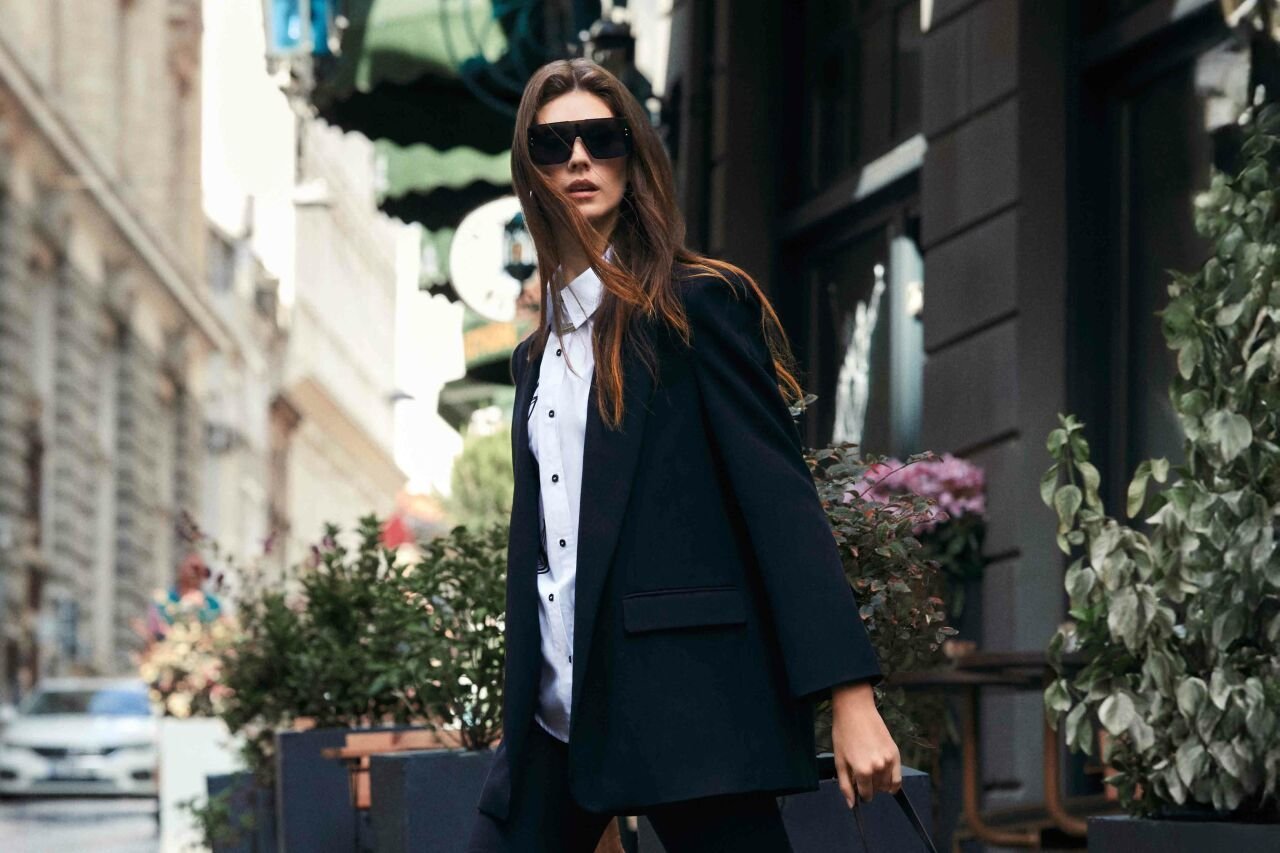
There’s a particular art to wearing a £12 top that makes people ask where it’s from — and it’s not about the price tag, it’s about the signals. Expensive-looking clothes share certain qualities: clean lines, good fabric behaviour, proper fit and thoughtful details. Learn to replicate those signals and you can make cheap clothes look expensive every single day. Here’s the complete playbook.
First, understand what “cheap” actually looks like. It’s not the price — it’s puckered seams, shiny polyester, loose threads, pilled fabric, plastic-looking buttons, visible logos and poor fit. Eliminate those signals and a Primark blouse becomes indistinguishable from one costing ten times more.
How to make cheap clothes look expensive: the rules
1. Fit is the great equaliser
The single biggest difference between cheap-looking and expensive-looking is fit. A £15 blazer tailored for £20 looks like £150. Prioritise: shoulders sitting correctly, sleeves the right length, trousers hemmed properly, no pulling or gaping. Find a good local tailor and use them — it’s the highest-ROI fashion spending there is.
2. Choose the right fabrics (and avoid the wrong ones)
Buy: cotton, linen, wool blends, viscose, Tencel/lyocell, good denim. These drape well and look rich. Avoid: shiny polyester, thin jersey that shows every lump, anything that crackles. The touch test never lies — if it feels cheap in your hands, it looks cheap on your body. Matte finishes always read more expensive than shiny ones.
3. Stick to a refined colour palette
Navy, black, white, cream, camel, grey, olive, burgundy — these colours look expensive in any fabric. Neon brights, fussy prints and high-contrast patterns in cheap fabric scream budget. Monochrome and tonal outfits look instantly more polished (and it’s the backbone of a good capsule wardrobe).
4. Steam and press everything
Creases are the cheapest-looking thing in fashion. A £20 handheld steamer transforms £10 shirts. Hang clothes properly, never wear straight from the floor-drobe, and learn which fabrics need ironing versus steaming.
5. Upgrade the details
- Swap the buttons. Cheap plastic buttons are a dead giveaway — replacing them with horn, mother-of-pearl or metal buttons (£3–£8 for a set) lifts coats and blazers enormously.
- Remove visible branding. Big logos on cheap clothes look cheap. Choose unbranded or subtly branded pieces.
- Tidy the finishing. Snip loose threads, de-pill knits with a £8 fabric shaver, and re-hem anything fraying. Ten minutes of maintenance per garment.
6. Keep them immaculate
Expensive-looking clothes are clean, unstained and well-kept. Wash according to labels, treat stains immediately (our stain removal guide saves garments weekly), rotate to avoid wear, and retire things that have pilled beyond rescue. A small, well-maintained wardrobe beats a large shabby one — which is also the philosophy behind looking stylish on a budget.
7. The one-quality-anchor trick
Pair high-street clothes with one genuinely good item: quality leather shoes, a good bag, a decent watch, a real wool coat. The eye reads the whole outfit at the level of its best piece. This is how stylists make £200 outfits photograph like £2,000.
Shopping smart: what to buy cheap vs where to spend
- Buy cheap: plain t-shirts, vests, trendy seasonal pieces, costume jewellery, scarves — things with short lifespans or simple construction.
- Spend more: coats, shoes, bags, blazers, jeans — structured items where construction quality is visible and cost-per-wear is low.
- Buy secondhand: the cheat code. A £15 secondhand Hobbs blazer beats a £40 new fast-fashion one on every metric. See our charity shop guide and secondhand styling tips.
WRAP’s clothing sustainability advice has excellent guidance on garment care that keeps even budget pieces looking premium for years.
The £20 upgrades with the biggest payoff
Some cheap fixes punch absurdly above their price. These are the upgrades stylists reach for first when making budget clothes look expensive.
- A proper steam (£25–£35 handheld). Wrinkles are the single biggest “cheap” signal. A steamer takes two minutes per garment and makes a £15 shirt look pressed like a £60 one. More transformative than any single purchase on this list.
- Button swaps (£3–£8). Cheap blazers and coats come with cheap plastic buttons that scream fast fashion. Replacing them with horn, mother-of-pearl or brushed-metal buttons takes 20 minutes with a needle and thread and fools almost everyone. Keep the originals in a bag in case.
- A lint roller and fabric shaver (£5–£10 combined). Pilling and pet hair age clothes instantly. A 60-second once-over before leaving the house is the difference between “smart” and “tired”. The electric fabric shavers (£8–£12) restore pilled knitwear to near-new.
- Shoe care (£10 kit). Scuffed shoes drag down everything above them. Polish, a brush and 5 minutes: black shoes gleam, brown shoes glow. Trainers get the magic-eraser treatment on soles. People notice shoes more than any other single item.
- The right undergarments (£10–£15). Smooth, well-fitting underwear changes how every layer above sits. A good nude-for-you bra or seamless pants eliminate the lines and lumps that make outfits look off — the invisible foundation of “expensive-looking”.
- Tailoring one key piece (£12–£20). As covered in the alterations section, hemming trousers or taking in a waist transforms fit — and fit reads as money. One tailored piece per outfit lifts the rest.
Total for all six: under £100, spread over time. None of them is a garment — they’re all maintenance and finishing. That’s the real secret of looking expensive: it’s rarely about what you bought, and almost always about how it looks on the day you wear it.
Looking expensive on a budget: quick answers
What’s the fastest way to look more expensive today? Steam everything you’re wearing, polish your shoes, and remove one accessory. Wrinkle-free, clean shoes, edited styling — that’s 80% of “expensive” in ten minutes, for free.
Does anyone actually notice the difference? Yes — but not consciously. People register fit, fabric and grooming as a gestalt impression of “put-together”. Nobody thinks “nice buttons”; everybody thinks “she looks smart”. The details work subconsciously, which is why they matter.
What’s the biggest waste of money when trying to look expensive? Buying more cheap clothes. Ten £15 tops that look tired in a month cost more per year than five £30 tops that last — and look worse the whole time. Fewer, better, maintained: that’s the entire formula.
Can men use these tricks too? Absolutely — fit, steaming, shoe care and button swaps are arguably more impactful in menswear, where the uniform is simpler and details stand out more. A £200 suit with £30 of tailoring beats a £500 suit off the rack.
Your takeaway: it’s maintenance, not money
To make cheap clothes look expensive: prioritise fit (and a tailor), choose matte natural-look fabrics, stick to refined colours, steam everything, upgrade buttons, maintain meticulously, and anchor outfits with one quality piece. Expensive is a look, not a price — and it’s entirely learnable.