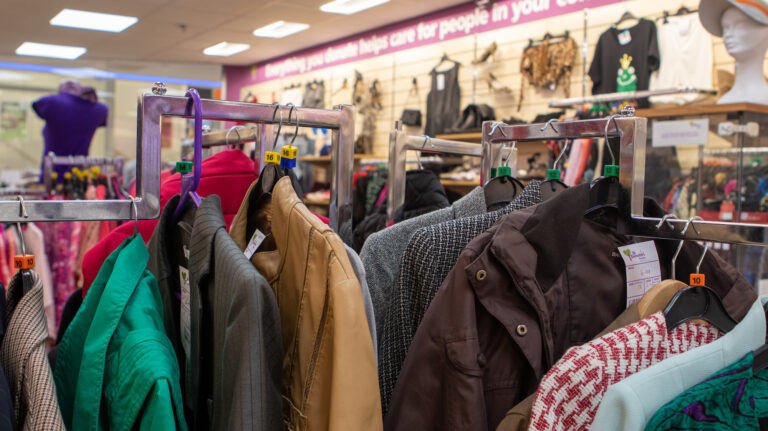
London’s charity shops are a treasure hunter’s paradise — if you know where to dig. The city’s affluent neighbourhoods donate genuine designer pieces regularly, and the best shops curate them rather than hiding them among the bric-a-brac. If you’re hunting charity shops for designer bargains in London, location is everything. Here’s where to look.
The golden rule: charity shops in wealthy areas receive wealthy donations. A charity shop in Kensington or Hampstead gets fundamentally different stock than one on a struggling high street. That said, the best finds also require patience — the best shops are picked over fast, so regular visits beat occasional raids.
Charity shops for designer bargains in London: the best
The designer specialists
- Oxfam Dalston / Notting Hill — Oxfam’s flagship London stores with curated designer rails. The Notting Hill branch is famous for high-end donations.
- Fara (various, incl. Islington) — Fara’s boutiques specialise in designer and vintage; the Islington store is a regular goldmine.
- Traid (multiple locations) — Traid’s curated secondhand stores (Dalston, Brixton, Shepherd’s Bush) stock selected designer and quality high-street at fair prices.
- Octavia Foundation shops (West London) — the charity behind many of West London’s best-stocked shops; the Marylebone and Notting Hill branches are excellent.
Best areas to hunt
- Chelsea & Kensington: King’s Road, Kensington Church Street — designer donations are routine. Prices reflect the postcode but remain fractions of retail.
- Hampstead & Highgate: affluent, generous donors; less picked-over than central London.
- Richmond & Chiswick: excellent charity shop density with quality stock and slightly saner prices.
- Marylebone: boutique charity shops with curated rails near the high street.
- Primrose Hill / Belsize Park: media-money donations; great for contemporary designer.
What to look for (and what to skip)
- Look for: wool coats, cashmere knits, leather bags, silk shirts, designer denim — the pieces where quality is obvious and longevity is built in.
- Check carefully: authentic labels (learn the basics of spotting fakes for the brands you hunt), working zips, no stains or moth holes, and try everything on.
- Skip: fast-fashion donations at near-retail prices (some shops overprice these), anything needing expensive repair, and “designer-inspired” pieces with no real value.
- Best days: ask staff when new stock hits the floor — usually mid-week mornings. Be there then.
The Charity Retail Association lists member shops across the capital if you want to plan a route. And once you’ve scored, our guide to styling secondhand clothes ensures your finds look intentional, not accidental.
Beyond the high street: London’s other secondhand goldmines
- Vintage stores: Brick Lane, Camden and Soho for curated vintage (pricier than charity shops, but edited).
- Designer resale: Vestiaire Collective’s London sellers, Designer Exchange — authenticated luxury at 50–70% off.
- Clothes swaps: regular events across London; free and social.
- Depop/Vinted: filter by London for local pickup deals — no postage, instant gratification.
This is also the smartest way to update your wardrobe without fast fashion — and the foundation of looking stylish on a budget in one of the world’s most expensive cities.
Beyond the high street: London’s other secondhand goldmines
The famous charity shops are covered in the main guide. These are the lesser-known hunting grounds where the real bargains hide.
- Kilo sales. Pay-by-weight vintage sales (£15–£20/kg) tour London regularly — check Instagram for “kilo sale London” dates. The trick is arriving early (first hour = best stock) and knowing fabrics: wool, silk and leather at kilo prices are the wins; polyester fast-fashion at any price is not. Bring a tote and patience.
- Clothes swaps. Organised swaps (check Eventbrite and local Facebook groups) are free and social — bring 5–10 good pieces, leave with 5–10 “new” ones. The quality is often higher than charity shops because swappers bring things they liked enough to keep well.
- Vinted and Depop, collected in person. London’s density makes local pickup viable — filter by location, message sellers, try before you pay. Designer pieces go for 60–80% below retail, and you avoid the disappointment of online-only sizing surprises.
- Estate and house clearance auctions. The unglamorous end — but vintage designer, quality vintage suits and deadstock fabrics surface here for pounds. Check local auction houses’ catalogues; the “household” lots are where clothing hides.
- Sample sales. London’s fashion industry means constant sample sales (check sites like SampleRadar). Current-season designer at 60–80% off — not secondhand, but the prices overlap with resale. Sizes are limited (usually 8–12), so go early.
- Theatre and film costume sales. Occasional goldmines — period productions sell off costumes that include genuinely beautiful vintage and vintage-style pieces. Follow theatre companies’ social accounts for sale announcements.
Authentication basics for designer finds
The better the bargain, the more you should verify. Quick checks: stitching should be even and dense (fakes skimp here); hardware should feel weighty and be stamped with the brand; date codes/serial numbers should match the brand’s format for that era (a quick search verifies); lining and labels should be high quality — luxury brands don’t use scratchy polyester linings. For bags over £200, consider professional authentication (£10–£20 via online services) before committing. And remember: if a “Chanel” bag is £30 in a charity shop, it’s almost certainly not Chanel — price your scepticism accordingly.
Charity shop designer hunting: quick answers
Which days are best for charity shopping? Weekday mornings — new stock goes out early, and weekend crowds haven’t picked it over. Donations often arrive at weekends and get processed Monday/Tuesday. Regulars know their shops’ rhythms; ask the staff.
How do I spot fakes? Stitching (even, dense), hardware weight and stamps, date codes matching the era, quality linings. If the price is absurdly low for the brand, be sceptical. For anything over £200, professional authentication (£10–£20) is cheap insurance.
Can I haggle in charity shops? Generally no — it’s a charity, and the prices are already low. The exception is items with obvious flaws not reflected in the price; a polite “would you take X given the mark?” is acceptable, not expected.
What’s the best area beyond the famous ones? Wealthy suburbs over central London — Richmond, Hampstead, Dulwich, Wimbledon village. Lower footfall than Marylebone, equally good donations, less competition. The charity-shop commuter’s secret.
Your takeaway: wealthy postcodes, regular visits, sharp eyes
The best charity shops for designer bargains in London cluster in affluent areas — Chelsea, Hampstead, Richmond, Marylebone — with Oxfam flagships, Fara and Traid leading the curated pack. Visit regularly, learn to spot quality and authenticity, and check new-stock days. The £20 designer coat is real; you just have to be there when it lands.