Looking stylish has almost nothing to do with how much you spend — and everything to do with fit, fabric and intention. Some of the best-dressed people I know shop almost exclusively at charity shops and Primark, while some of the worst-dressed have wardrobes full of designer labels worn badly. If you want to look stylish on a budget in the UK, the high street, charity shops and a few smart habits are all you need.
The secret the fashion industry doesn’t advertise: expensive clothes look bad when they don’t fit, and cheap clothes look expensive when they do. Let’s build your budget style playbook.
The foundations: fit first, always
This is the 80/20 of looking good. A £15 pair of trousers tailored to your body looks better than £150 trousers pooling at the ankle. Prioritise:
- Know your measurements. Chest, waist, hips, inside leg. Compare against size guides instead of guessing — sizing varies wildly between brands.
- Tailor the almost-right. A good local tailor charges £8–£15 to hem trousers, £10–£20 to take in a waist. One alteration transforms a charity-shop find into a custom piece. Our guide to making cheap clothes look expensive goes deep on this.
- Learn your shapes. Which cuts flatter you is personal — finding jeans that fit a curvy figure or petite-friendly shops can save years of changing-room misery.
Where to shop to look stylish on a budget in the UK
- Charity shops — strategically. Affluent-area charity shops (think Oxfam in Richmond, or any high street in a wealthy suburb) receive genuine designer donations. Go regularly, check the rails thoroughly, and learn which days new stock hits the floor. Our roundup of London’s best charity shops for designer bargains is a goldmine if you’re in the capital.
- Vinted, Depop and eBay. The UK’s secondhand apps are extraordinary for nearly-new high-street and mid-range brands at 70–90% off. Search by brand and size, check seller ratings, and don’t fear making offers.
- Supermarket and value ranges done right. M&S, Primark, H&M, Uniqlo — the trick is choosing simple, classic pieces in good fabrics and avoiding anything with visible logos or fussy details. A plain Uniqlo crew neck at £15 looks identical to a £80 one at arm’s length.
- End-of-season sales. Buy winter coats in March, swimwear in September. The discounts hit 50–70%, and classics don’t date.
- Clothes swaps. Free, fun, and increasingly organised in UK cities — bring what you don’t wear, leave with “new” things.
The Charity Retail Association lists member shops across the UK, and WRAP’s clothing sustainability advice is full of tips for making clothes last longer — because the cheapest garment is the one you don’t have to replace.
Build around a capsule, not a pile
Stylish people on budgets don’t own more clothes — they own fewer, better-chosen ones. A capsule wardrobe for UK weather (think 25–35 versatile pieces) means everything goes with everything, getting dressed takes two minutes, and each piece earns its place. Start with neutrals — navy, black, white, grey, camel — then add one or two accent colours you love.
The budget style uniform formula
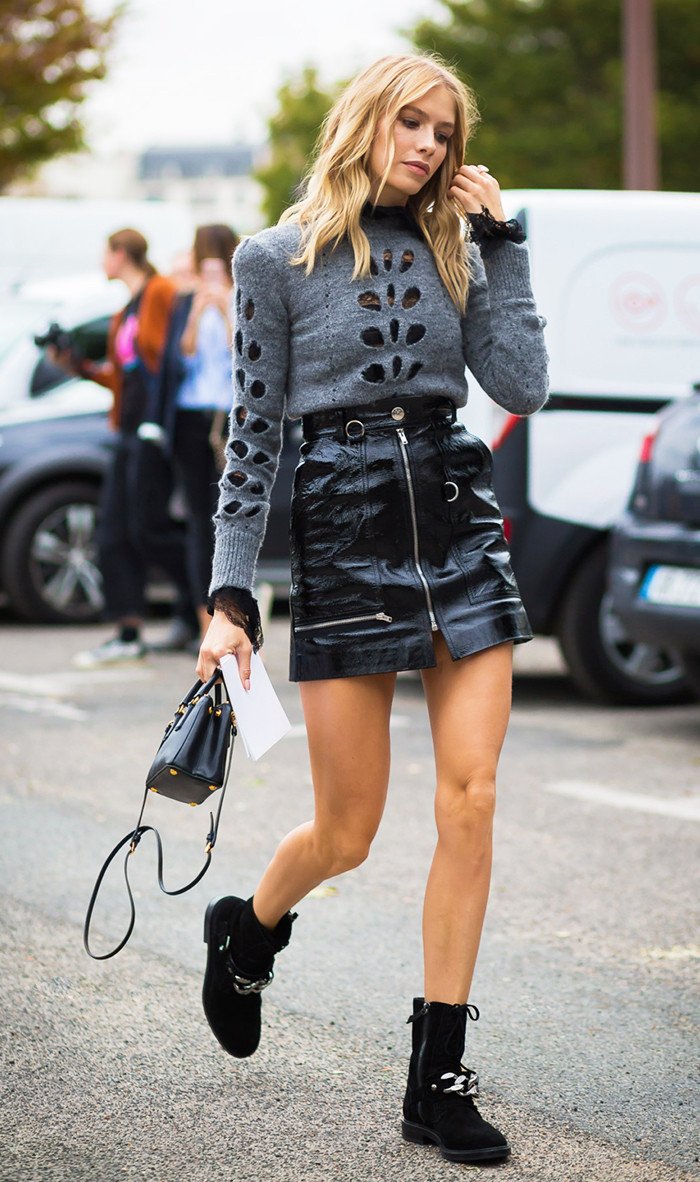
When in doubt: well-fitting dark jeans or tailored trousers + plain quality top + structured layer (blazer, good jacket) + clean shoes + one interesting accessory. This formula works for 90% of occasions and can be assembled for under £100 total from the sources above.
Details that signal “stylish” for free
- Grooming. Clean shoes, neat hair, trimmed nails — these read as “put-together” more than any garment.
- Steam, don’t crease. A £20 handheld steamer makes a £12 shirt look like a £60 one. Creases scream cheap; smooth fabric whispers quality.
- One focal point. A good watch, an interesting bag, a great coat — one quality anchor lifts everything around it.
- Dress for the occasion, slightly up. Being the best-dressed person in the room (by a notch, not a mile) is free.
- Confidence and posture. Clothes hang better on someone standing tall. Free, instant, underrated.
The alteration habit: tailoring on a budget
The difference between “cheap clothes” and “cheap-looking clothes” is usually fit — and fit is fixable for less than people think. A relationship with a local tailor or alteration service is the budget dresser’s secret weapon.
What alterations cost in the UK: hemming trousers or jeans (£8–£15), taking in a waist (£12–£20), shortening sleeves on a jacket (£15–£25), tapering shirt sides (£12–£18), replacing a zip (£10–£15). Most dry cleaners offer basic alterations; dedicated tailors cost slightly more but do better work. Timpson and local independents are the usual high-street options.
What to alter vs what to skip: worth it — hems (trousers, skirts, dresses), waist suppression, sleeve shortening, tapering. These are simple, cheap, and transformative. Not worth it — shoulder alterations on jackets (expensive, often £40+, rarely perfect), anything needing relining, or cheap fast-fashion items where the alteration costs more than the garment. Rule of thumb: alter pieces you’ll wear 30+ times; don’t alter £8 tops.
The charity-shop strategy: buy for fabric, colour and approximate size, then alter. A £6 wool blazer that’s slightly long in the sleeve becomes a £6 + £20 = £26 blazer that fits like £150. This is how secondhand shoppers consistently look expensive — the alteration is the missing step most people skip.
DIY for the basics: hemming trousers by hand is genuinely learnable in an evening (YouTube has thousands of tutorials), an iron-on hemming tape (£3) handles temporary fixes, and moving a button takes five minutes. You don’t need to sew well — you need to sew one straight line.
Budget £50–£80 a year for alterations and it transforms everything you own. A £30 dress with a £15 hem looks better than a £60 dress that puddles at the ankle. Fit is the cheapest luxury there is.
Your takeaway: fit, edit, repeat
To look stylish on a budget in the UK, prioritise fit above labels, shop charity shops and secondhand apps strategically, build a small versatile capsule, and sweat the free details — grooming, steaming, posture. Style is a skill, not a shopping bill. Start with one well-fitting outfit and build from there.