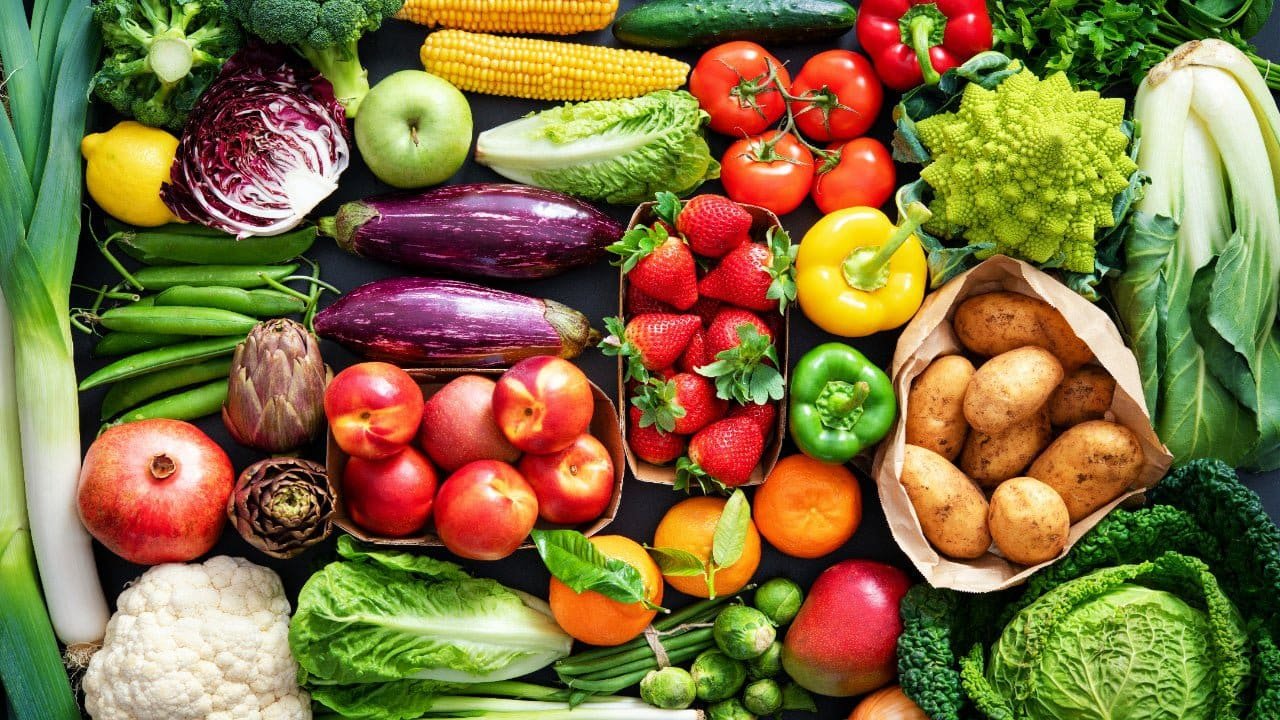
Healthy food has a reputation for being expensive, and honestly, the supermarkets don’t help — the “healthy” aisle is full of £6 granola and protein bars that cost more than a sandwich. But here’s what nobody tells you: learning how to eat healthily on a tight budget in the UK has almost nothing to do with superfoods and everything to do with boring, brilliant basics. I fed myself well for years as a skint student in Leeds, and the same principles work whether you’re feeding one or five.
The average UK household now spends around £70–£90 a week on groceries, but a single person eating well can genuinely manage on £35–£45 with a bit of planning. This isn’t about misery or plain rice for dinner — it’s about spending your money where the nutrition actually is.
The cheap staples that do all the heavy lifting
Forget the fancy stuff. The foundation of budget healthy eating is a short list of cheap, nutritious foods you buy on repeat:
- Oats — a kilo bag costs under £1.50 and makes weeks of breakfasts. Porridge with frozen berries beats any branded cereal on both price and nutrition.
- Eggs — around 15–25p each, packed with protein. Omelettes, frittatas and boiled eggs are weeknight heroes.
- Tinned beans, chickpeas and lentils — 40–80p a tin, full of fibre and protein. A tin of chickpeas plus some spices is a curry in twenty minutes.
- Frozen vegetables — often cheaper than fresh, frozen within hours of picking, and zero waste. Peas, spinach and mixed veg are the big three.
- Brown rice and pasta — pennies per portion, endlessly versatile.
- Seasonal fresh veg — carrots, cabbage, onions and potatoes are routinely under £1 a bag. Buy what’s in season and it’s cheaper and tastier.
- Tinned tomatoes and sardines/mackerel — the backbone of a hundred cheap, healthy meals.
These aren’t “poor people’s food” — they’re the ingredients behind most of the world’s great cuisines. Pair them with herbs, spices and garlic and nobody at your table will feel deprived.
How to eat healthily on a tight budget in the UK: the weekly system
The single biggest money-saver isn’t a coupon or a discount app — it’s a plan. Here’s the routine that actually works:
- Plan 5–6 dinners before you shop. Not all 21 meals; that’s overwhelming. Just dinners, since they’re the expensive ones. Build them around what you already have.
- Write the list and stick to it. Shopping hungry or listless is how £20 of “bits” ends up in the trolley. The MoneySavingExpert supermarket guide is full of tactics for cutting the bill without cutting quality.
- Cook once, eat twice. Double the chilli, the curry, the soup. Lunch tomorrow is sorted, which kills the £7 meal-deal habit dead.
- Learn three “banker” meals you can cook half asleep. Mine are lentil dahl, egg fried rice and bean chilli. Yours will differ, but having defaults stops the takeaway order.
- Shop the reduced section strategically. The yellow-sticker hour (usually 7–8pm at the big supermarkets) is gold for meat and bread you can freeze the same night.
Our guide on saving money on groceries each week goes deeper on the shopping tactics, from own-brand swaps to loyalty schemes that are actually worth it.
Smart swaps that save pounds without losing nutrition
- Meat as a flavour, not the main event. Halve the mince in a bolognese and bulk it with red lentils — nobody notices, and you save £2+ per meal. This is also why vegetarian protein sources are worth knowing even if you’re not veggie.
- Own-brand everything first. The premium and the value tinned tomatoes often come from the same factory. Try the cheap version; keep the premium only where you can genuinely taste the difference.
- Frozen berries instead of fresh. Half the price, no mouldy punnet guilt, just as nutritious in porridge and smoothies.
- Whole chicken over portions. A £4–£5 whole chicken gives you a roast, then sandwiches, then stock from the carcass. Breasts alone would cost triple.
- Seasonal and British. Strawberries in December are flown in and priced accordingly; apples and pears in autumn are practically given away.
What about organic?
Honestly? On a tight budget, skip it. The NHS Eatwell Guide doesn’t require organic anything — conventional fruit and veg still deliver the fibre, vitamins and minerals that matter. Spend the premium on more veg rather than organic veg.
A sample £40 week (one person)
Roughly: oats and milk for breakfasts (£5), batch-cooked lunches from dinner leftovers (£0 extra), and dinners built from the staples list — dahl and rice, bean chilli with baked potatoes, egg fried rice, pasta with tinned tomatoes and frozen spinach, omelette and salad, plus one “treat” meal. Snacks: apples, bananas, carrots with hummus (homemade from a 55p tin of chickpeas). It comes in around £38–£42 at Aldi or Lidl, and it’s genuinely balanced — plenty of fibre, protein and veg. Your gut will thank you too, since beans, oats and lentils are fibre powerhouses.
The £1-a-portion dinners that actually work
Budget cooking advice often means lentils five nights a week. Nothing wrong with lentils, but here are the cheap dinners people genuinely look forward to — each working out around £1 a portion when you buy own-brand.
- Sausage and bean casserole (£0.90/portion). Cheap sausages browned with onion, tinned tomatoes, two tins of mixed beans, smoked paprika. One pot, 40 minutes, feeds four generously. Tastes like it cost triple.
- Egg fried rice (£0.60/portion). Day-old rice is essential (fresh rice goes mushy). Scramble eggs, set aside, fry rice with frozen peas, sweetcorn and soy sauce, toss eggs back through. Add leftover roast veg if you have it.
- Tuna pasta bake (£0.85/portion). Pasta, tinned tuna, tinned sweetcorn, passata, topped with a little cheese. 25 minutes in the oven. Kids reliably eat it, which is half the battle.
- Dhal with rice (£0.50/portion). Red lentils, onion, garlic, ginger, turmeric and cumin simmered 25 minutes. The cheapest complete meal in existence that still feels like real food. A squeeze of lemon at the end transforms it.
- Jacket potatoes with chilli (£0.95/portion). Batch-cook a big chilli (mince stretched with kidney beans and lentils), freeze in portions, and it’s a 10-minute dinner on a jacket potato any night of the week.
The pattern: a cheap protein, bulk from carbs or pulses, flavour from spices rather than expensive ingredients. Cook double and freeze half — the freezer is the budget cook’s greatest asset, turning one cooking session into two or three dinners.
One more practical note: the reduced section is your friend, but only for things you’ll use within 24 hours or can freeze immediately. A 70%-off chicken that’s going off tomorrow is a bargain only if it goes straight into the freezer or the oven tonight.
Your takeaway: plan, batch, repeat
Eating healthily on a tight budget comes down to three habits: plan your dinners, build meals around cheap whole-food staples, and cook more than you need. You don’t need superfoods, supplements or a bigger salary — you need oats, beans, frozen veg and a shopping list. Start with one planned week and watch both your bank balance and your energy improve.