
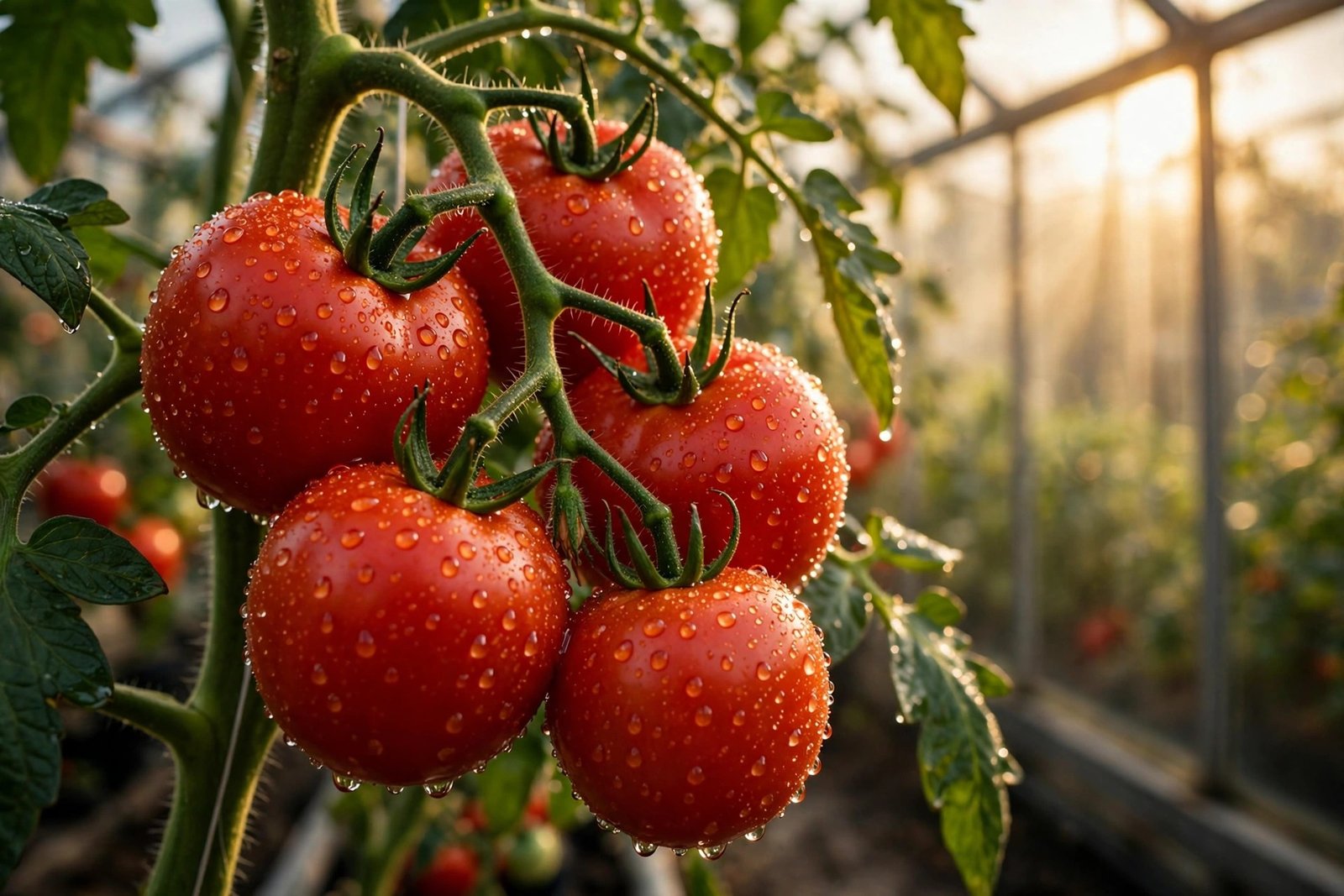
The supermarket tomato is a marvel of logistics and a tragedy of flavour — bred for transport, picked unripe, tasting of damp cardboard. The home-grown tomato, vine-ripened and still warm, is a different fruit entirely. Growing tomatoes from seed is the single highest-value upgrade in home food growing — but what does it actually cost? In Cardiff, the honest answer is: almost nothing, if you are sensible; a surprising amount, if you are not.
This guide prices every route from seed to harvest, so you spend where it matters and skip where it does not.
The Seed Route: Priced Honestly
Seeds (£2–£4 per packet): one packet contains 10–50 seeds — enough for years, since you will sow 6–12 plants annually. Cost per plant: literally pennies. This is the great secret of seed growing: the seeds are the cheapest part. Compost (£5–£8 per bag): one bag of seed compost sows hundreds of seedlings; one bag of multi-purpose compost pots them on. Containers (£0–£10): yoghurt pots with drainage holes, toilet-roll tubes, or proper seed trays (£3–£8) — all work; expensive propagators are optional. Labels (£2): non-negotiable — unlabelled seedlings become mystery plants.
Total to get seedlings growing: £10–£20. That is the entire seed-starting investment, and it produces more plants than most households need. The rest of the cost is growing them on — which is where the real decisions (and real money) live.
Growing On: Where the Money Goes
Pots and final containers (£0–£30): tomatoes need substantial root space — minimum 30cm pots, ideally larger. Existing pots are free; new ones £3–£8 each. Grow bags (£5–£8 for 2–3 plants) are the budget classic. Compost for growing on (£8–£15): a large bag or two of good multi-purpose compost. Feed (£5–£10): tomato feed (high-potash liquid) once fruits form — one bottle lasts the season. This is non-negotiable for good crops; unfed tomatoes underperform dramatically. Canes and ties (£3–£6): indeterminate (cordon) varieties need support — bamboo canes and soft string. Water: meaningful in a dry summer — tomatoes are thirsty; inconsistent watering causes blossom-end rot and split fruits.
Total growing-on: £20–£60. Combined with seed-starting: £30–£80 for a season of 6–12 plants — yielding, realistically, 10–30kg of tomatoes. At supermarket cherry-tomato prices (£2–£3 per small punnet), the harvest value runs £100–£300. The economics are absurdly favourable — which is why small-space vegetable growing so often starts with tomatoes.
The Cardiff Specifics (Climate Matters)
Cardiff’s climate shapes the approach. South Wales is milder than much of the UK — last frost typically late April, first frost late October — giving a generous outdoor season. But “mild” also means wet, and wet foliage plus tomatoes equals blight — the fungal disease that destroys outdoor crops in bad years. Cardiff growers should: choose blight-resistant varieties (the single highest-value decision — resistant cultivars laugh at summers that kill susceptible ones), provide shelter (against a south-facing wall, under an overhang, or in an unheated greenhouse/polytunnel if available), water the soil not the leaves, and space plants generously for airflow.
Sowing calendar for Cardiff: sow indoors late February–March (a sunny windowsill suffices — no heated propagator needed, just patience), pot on through April, plant out after frost risk (early May in the city). Cherry and small-fruited varieties ripen most reliably outdoors; large beefsteaks want the greenhouse. The RHS tomato growing guide covers varieties and techniques authoritatively.
The Blight Battle: Cardiff’s Annual Challenge
Potato blight — the same disease behind the Irish famine — is the tomato grower’s nemesis in wet western Britain, and Cardiff summers serve it regularly. Blight strikes as brown patches on leaves, spreading with terrifying speed in warm, wet weather; infected plants can collapse within days, and the spores overwinter in soil and potato tubers. Understanding the enemy is half the battle.
The defence is layered. Resistant varieties first: modern blight-resistant cultivars (bred with genes from wild tomatoes) shrug off attacks that kill susceptible varieties — the highest-ROI decision in Welsh tomato growing. Cultural practices: water at soil level, space for airflow, remove lower leaves to prevent soil splash, and clear infected material immediately (never compost it). Timing: early varieties that crop before late-summer blight peaks often escape entirely. Protection: growing under cover (polytunnel, greenhouse, or even a simple rain shelter) keeps foliage dry and largely defeats blight — many Cardiff growers consider cover essential, not optional. Sprays: copper-based fungicides are approved for organic growing and offer partial protection, though resistance and culture do most of the work.
The mindset shift: blight is not a failure but a condition of western gardening, like rain itself. Growers who plan for it — resistant varieties, shelter, hygiene — harvest reliably every year. Those who ignore it gamble annually. The RHS blight guidance details identification and control precisely.
Seed vs Seedling: The Honest Comparison
Garden centres sell tomato seedlings at £2–£4 per plant — so 8 plants cost £16–£32 versus pennies from seed. Why would anyone buy seedlings? Time and simplicity: no sowing, no windowsill management, no hardening off — plant and go. Reliability: professional germination beats beginner attempts. Late starts: sowing in June? Buy seedlings.
But seed-growing wins on: variety choice (hundreds of cultivars versus the garden centre’s dozen), cost (an order of magnitude cheaper), timing control, and satisfaction. Most Cardiff growers evolve: seedlings in year one (learn the growing), seeds from year two (expand the varieties). There is no shame in either — the tomatoes do not know.
Where Beginners Waste Money
Heated propagators (£25–£50): unnecessary in Cardiff’s mild springs — a sunny windowsill and patience germinate tomatoes fine. Premium “tomato” composts: marketing; good multi-purpose compost performs identically. Too many varieties: three well-chosen cultivars beat ten impulse packets. Gadgets: self-watering systems, special pots, growth lights — all solving problems beginners do not yet have. Replacing failures instead of preventing them: one £8 bottle of blight-resistant seed prevents the £40 of seedlings lost to disease. Spend on prevention (resistant varieties, good compost, proper feed), not on rescue.
And the meta-saving: save your own seeds from open-pollinated varieties — free forever, adapted to your garden. It connects to the wider thrift of the vegetable garden — reducing household food waste starts with valuing what you grow.
The Bottom Line
Growing tomatoes from seed in Cardiff costs £30–£80 for a season yielding £100–£300 of produce — among the best returns in home growing. The seeds are pennies; the real spends are compost, pots, feed, and support. Choose blight-resistant varieties for Welsh summers, sow late February–March on a sunny windowsill, and resist the gadget aisle. The Gardeners’ World tomato guides support you through the season. Your first sun-warm tomato will explain everything.
Frequently Asked Questions
How much does it cost to grow tomatoes from seed?
£30–£80 total for 6–12 plants: £10–£20 for seeds, compost, and sowing supplies, plus £20–£60 for pots, compost, feed, and supports. Harvest value typically £100–£300.
When should I sow tomato seeds in Cardiff?
Late February to March indoors on a sunny windowsill; plant out after frost risk passes (early May in Cardiff). No heated propagator needed.
What are the best tomatoes for Welsh gardens?
Blight-resistant cherry and small-fruited varieties for outdoor growing — they ripen reliably and survive wet summers that destroy susceptible cultivars.
Is it cheaper to buy seedlings?
Per plant, no — seedlings cost £2–£4 each versus pennies from seed. Seedlings win on convenience and reliability for beginners or late starts; seeds win on cost, variety, and satisfaction.


