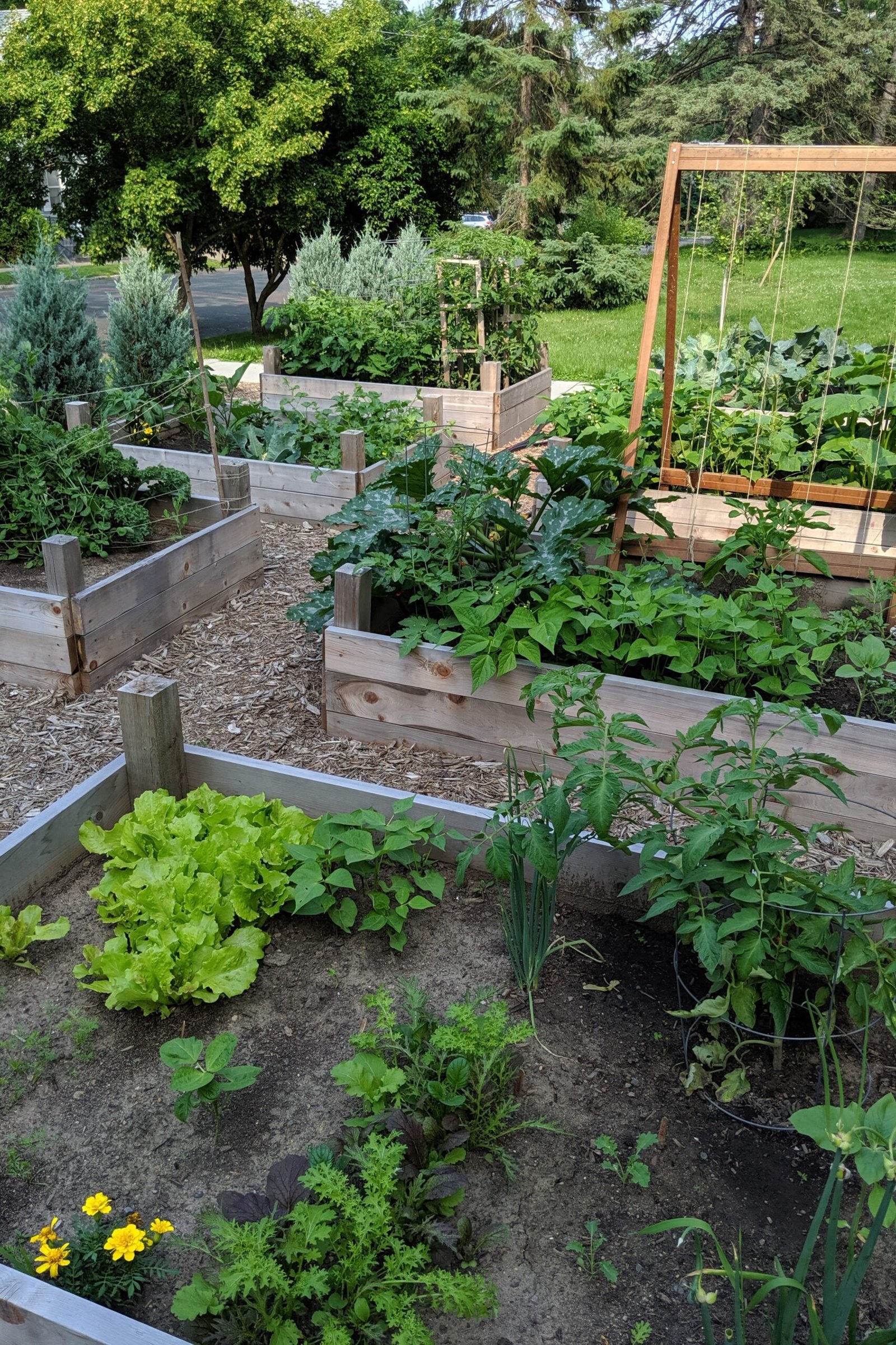
There’s a particular smugness to eating a salad you grew yourself — and it’s entirely earned. But most beginner vegetable growers make the same mistakes: starting too ambitiously, planting at the wrong time, and giving up in July when the slugs stage their annual offensive. Learning how to grow your own vegetables in a small UK garden is really about starting small, choosing the easy wins, and working with the British climate instead of against it.
I’ve grown veg in a tiny London garden, on a windy balcony, and now in a proper (but still small) back garden. Here’s what actually works in the UK, in limited space.
How to grow your own vegetables in a small UK garden: start with containers
If your “garden” is a patio, balcony, or a 3x3m patch, containers are your best friend. They warm up faster than the ground (crucial in the UK spring), they’re slug-resistant, and you can move them to chase the sun:
- Pots and planters: 30cm+ diameter for most veg. Old buckets with drainage holes work fine — veg doesn’t care about aesthetics.
- Grow bags: £4–£6 each, perfect for tomatoes, peppers, and courgettes. Lay flat, cut planting holes, done.
- Raised beds: if you have actual soil space, one or two small raised beds (1.2m x 2.4m is the classic size — you can reach the middle from both sides) transform growing. Kits start around £40, or build from scaffold boards.
- Vertical growing: wall-mounted planters, hanging baskets (strawberries, trailing tomatoes), and trellises for beans and peas multiply a small footprint enormously.
Whatever you grow in, use decent compost — multipurpose is fine to start, and the RHS growing guides have excellent advice on soil improvement as you get more serious.
The easy wins: what to grow in year one
Start with the vegetables that practically grow themselves in the UK climate. Early success builds the habit; early failure kills it:
- Courgettes: one plant feeds a family and then some. Sow indoors in April, plant out after frosts (late May), harvest from July. Warning: plant two max unless you want to become the person forcing courgettes on neighbours.
- Runner beans: sow direct in May up a wigwam of canes. Prolific, pretty (the flowers are gorgeous), and they freeze brilliantly.
- Salad leaves: cut-and-come-again varieties (salad bowl lettuce, rocket) — sow a short row every three weeks from March to August for continuous harvest. Snip outer leaves and they regrow.
- Radishes: sow to harvest in 4–6 weeks. The instant gratification vegetable — perfect for impatient beginners and children.
- Herbs: mint (in a pot — it invades everything), rosemary, thyme, parsley, chives. Perennial, nearly indestructible, and fresh herbs transform cooking.
- Potatoes in bags: plant 3–4 seed potatoes in a large bag or dustbin of compost in March, earth up as they grow, tip out in summer. Kids love the treasure-hunt harvest.
- Tomatoes: cherry varieties (Gardener’s Delight, Sungold) in grow bags or large pots. Need sun and regular watering, but nothing beats a warm tomato off the vine.
The UK calendar: when to do what
- February–March: plan, order seeds, sow tomatoes/peppers/chillies indoors. Prepare beds — dig in compost while it’s still cool enough to enjoy.
- April: sow courgettes and squash indoors; direct-sow hardy veg (broad beans, peas, spinach, radish) outside.
- May: the big planting month — but wait until after the last frost (late May in most of the UK) for tender plants. Harden off indoor-sown plants for a week first.
- June–August: water, weed, harvest. Succession-sow salad every few weeks. Feed tomatoes weekly once fruits form.
- September–October: sow winter salads and garlic; plant onion sets. Clear finished plants to the compost.
- November–January: rest, plan, order seed catalogues, dream. Maybe grow winter salads under cover if you’re keen.
Dealing with the British realities: slugs, rain, and shade
- Slugs: the UK gardener’s nemesis. Copper tape around pots, wool pellets, beer traps, and going out at night with a torch (grim but effective). Nematodes (microscopic worms, watered in) are the nuclear option and genuinely work.
- Too much rain: raised beds and containers drain better than flat ground. Mulch bare soil to stop nutrients washing away.
- Shade: most veg needs 6+ hours of sun, but salad leaves, radishes, spinach, and herbs tolerate partial shade. Observe your garden through a day before deciding what goes where.
- Small space: grow up (beans, peas, cucumbers on trellises), interplant (radishes between slower crops), and choose compact varieties bred for containers.
Make it beautiful, not just productive
A vegetable patch doesn’t have to look like an allotment. Mix flowers in with the veg — marigolds deter pests, nasturtiums are edible and gorgeous, and pollinators boost your yields. Paint your raised beds, add a small bench, string some lights. A pretty growing space gets visited, watered, and loved; an ugly one gets neglected. Our guide to making your garden look nice on a budget pairs perfectly with this — productive and pretty aren’t opposites.
And when the harvests start rolling in, you’ll need a plan for the glut — which is exactly why reducing food waste in your household matters. There’s nothing more motivating for waste-free cooking than vegetables you grew yourself.
Composting: free fertiliser from your kitchen
Growing veg and composting are natural partners — your kitchen scraps become next year’s soil improver. Even in a small garden, a compact compost bin (£20–£30) or a wormery on the patio handles peelings, coffee grounds, eggshells, and cardboard. Avoid cooked food, meat, and dairy in basic bins (they attract rats); a sealed bokashi bin handles those if you’re keen. In six to twelve months you get dark, crumbly compost that your vegetables will love. It’s the ultimate closed loop: yesterday’s peelings feeding tomorrow’s dinner, and it costs nothing.
The takeaway
To grow your own vegetables in a small UK garden: start with containers or one raised bed, plant the easy wins (courgettes, beans, salad, radishes, herbs, potatoes), follow the UK sowing calendar, and defend against slugs from day one. Year one is about learning and a few proud harvests; by year three you’ll be the one giving courgettes away. Start this spring — future you, eating homegrown tomatoes in August, says thanks.