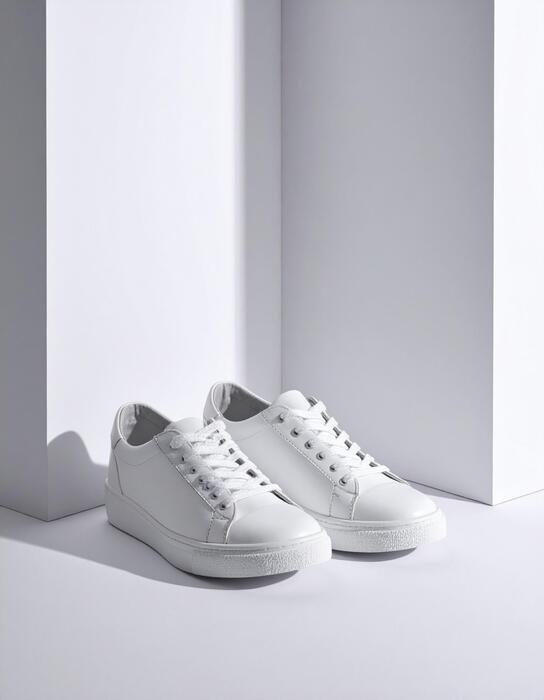
Trainers are the most polluting item in many wardrobes — glued-together petroleum products designed to be binned. But a new generation of brands is proving you don’t have to choose between ethical production and shoes you’d actually wear. Here are the best ethical trainers sold in the UK, covering recycled materials, fair labour, repairability and genuine sustainability credentials.
What “ethical” means for trainers: materials (recycled, organic, or low-impact), labour (audited factories, fair wages), durability (the greenest trainer is the one you don’t replace), repairability/recycling (take-back schemes), and honest reporting (published supply chains, not vague claims). Check any brand on Good On You before buying — their footwear ratings are rigorous.
The best ethical trainers sold in the UK
The leaders
- Veja (£95–£160). The ethical trainer that went mainstream: wild rubber from the Amazon, organic cotton, leather from audited tanneries. Stylish enough for the office (see our trainers-at-work guide), durable, and transparent about sourcing.
- Allbirds (£95–£150). Merino wool and sugarcane-foam runners with carbon footprint labelling on every product. Supremely comfortable; the Tree Runners are the everyday pick.
- Vivobarefoot (£120–£180). Barefoot design, recycled materials, and a repair-and-resale programme (ReVivo). Brilliant for foot health; the Gobi boot-trainer crosses into smart-casual.
Strong contenders
- Adidas x Parley / Nike Move to Zero ranges. The giants’ sustainable lines use ocean plastic and recycled materials at scale. Better than their main lines; not as rigorous as the specialists — but available everywhere and often on sale.
- Waes / Ethletic. Fair-trade certified canvas trainers (£40–£70) — the budget ethical option, and genuinely fair-trade, not just “eco”.
- Po-Zu. The London brand making shoes from coconut husk fibre and other unusual sustainable materials; quirky, comfortable, conversation-starting.
- Thousand Fell. Designed for circularity: fully recyclable, with free return recycling. The closed-loop promise, delivered.
For running specifically
- On Running (selected recycled models). Increasing recycled content; check model-by-model.
- Brooks / New Balance recycled lines. Performance-first brands adding recycled options — good if you need proper running support (see our comfortable shoe guide).
Making any trainers more ethical
- Buy less, wear longer. One £120 pair worn for 3 years beats three £40 pairs binned yearly — for the planet and your wallet.
- Care for them. Clean regularly (our white trainer cleaning guide), rotate pairs, and repair soles where possible.
- Buy secondhand. Nearly-new trainers on Vinted and Depop at 50–70% off — zero new production.
- Recycle dead pairs. Nike Grind, Adidas and various retailers run take-back schemes; otherwise textile recycling.
How to verify the ethics: beyond the marketing
“Ethical” is unregulated — any brand can claim it. Here’s how to check whether the claim survives scrutiny.
- Look for B Corp certification. It’s the most rigorous whole-company assessment available — covering workers, environment, governance and transparency. Veja, Allbirds and several smaller brands are B Corps. It’s not perfect, but it’s independently audited, which puts it leagues ahead of self-declared “eco” labels.
- Check the supply chain transparency. Ethical brands publish factory lists or at least factory countries and audit information. “Designed in London” with no mention of where they’re made is a red flag — the making is where the ethics live. Brands like Po-Zu and Wills Vegan Shoes are open about manufacturing; vagueness is the tell.
- Materials: what and how much. “Vegan” isn’t automatically sustainable (plastic-heavy vegan leather has its own footprint); “recycled” should state the percentage and source. The best options currently: recycled ocean plastic uppers, natural rubber soles, cork and organic cotton components. No trainer is impact-free — the honest brands say so and show their work.
- End of life. What happens when they wear out? Take-back and recycling schemes (Nike Grind, Adidas’s programmes, smaller brands’ resoling) matter because trainers are notoriously hard to recycle — mixed materials, glued construction. A brand thinking about end-of-life is thinking seriously.
- The repairability question. Glued trainers can’t be resoled; stitched construction sometimes can. It’s a minor factor at affordable prices, but worth knowing — the most ethical trainer is still the one you don’t replace.
The price problem, honestly addressed
Ethical trainers cost £80–£160, roughly double fast-fashion equivalents. The honest maths: a £120 pair worn 500 times is 24p per wear; a £40 pair that falls apart in 6 months and gets replaced twice costs more per wear and generates triple the waste. But “buy expensive” isn’t accessible advice for everyone — so the budget ethical strategy is: buy the best you can afford (even high-street “conscious” ranges beat unlabelled fast fashion), wear them fully (the wear phase dominates the footprint), and buy secondhand ethical brands (Vinted and Depop have Veja, Allbirds and similar at 50–70% off — the ethics of the product survive the resale). Sustainability that’s only available to the affluent isn’t a solution; the secondhand market is what democratises it.
Ethical trainers: quick answers
Are ethical trainers actually better quality? Usually yes — the brands that invest in supply chains tend to invest in construction too. Veja, Allbirds and similar last as well as or better than high-street equivalents. Ethics and durability correlate more often than not.
What’s the most sustainable option: new ethical, or secondhand? Secondhand ethical — the production footprint already happened, and you’re extending the life. A pre-loved pair of Vejas is the lowest-impact trainer you can wear. Check Vinted and Depop first.
Do they need different care? Natural materials (cork, organic cotton, natural rubber) appreciate gentler care — no machine washing, air dry, condition leather components. The care routine from the main guide applies; just skip the harsh chemicals on natural materials.
When should I replace them? When the sole cushioning dies or the upper fails structurally — not when they look worn. Trainers that look tired but support properly are still doing their job. Replace on function, not fashion.
Your takeaway: Veja for style, Allbirds for comfort
The best ethical trainers sold in the UK: Veja and Allbirds lead, Vivobarefoot for barefoot fans, Ethletic for budgets, and the big brands’ recycled lines as accessible alternatives. Verify claims on Good On You, buy for longevity, and remember the greenest pair is the one already on your feet.