
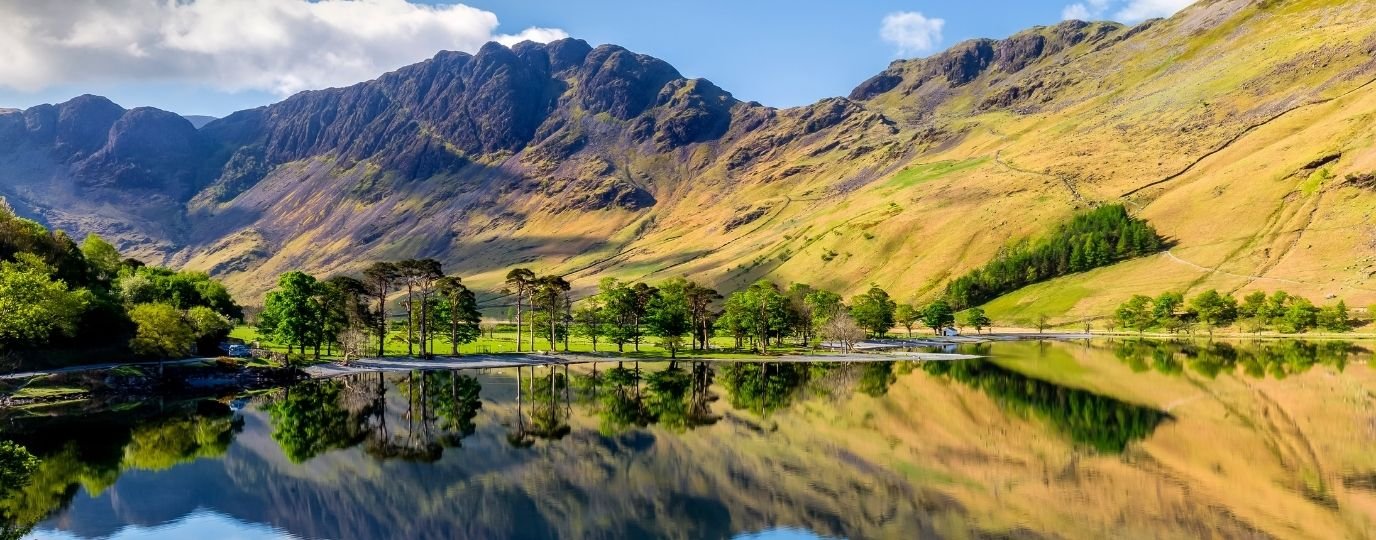
The Lake District has a reputation for being expensive — the boutique hotels, the £25-a-head restaurants in Ambleside, the parking charges that make you wince. But the Lakes are, at heart, a national park: the fells are free, the lakes are free, and some of the best experiences cost nothing at all. The best way to see the Lake District on a budget is to treat it as what it is — Britain’s greatest free outdoor playground — and spend your money only where it genuinely improves the trip.
The best way to see the Lake District on a budget: stay smart
Accommodation is the biggest cost, and where you stay shapes the budget more than anything:
- Youth hostels (£20–£35/night). YHA has superb Lakes locations — Ambleside, Borrowdale, Coniston, Wasdale — many with private rooms (£50–£70) as well as dorms. Self-catering kitchens cut food costs too. Book early; the good ones sell out.
- Camping (£10–£25/night). Dozens of campsites across the Lakes, from basic farm fields to well-equipped sites. Wild camping is tolerated above the fell wall (follow the leave-no-trace code), though it’s technically by permission.
- Bunkhouses and bothies. Independent bunkhouses (£15–£25/night) are the walkers’ secret — basic, social, and brilliantly located. Bothies (free mountain shelters) suit the adventurous.
- Self-catering cottages out of season. A cottage for four in November costs less per person than a B&B — and you get a washing machine, a kitchen, and a fire.
- Avoid Ambleside/Bowness in peak season if budget matters. Coniston, Keswick’s outskirts, and the quieter western valleys (Wasdale, Eskdale, Dunnerdale) are cheaper and, many argue, more beautiful.
Getting around without a car (or with one, cheaply)
- The 555 bus. Lancaster–Keswick via the heart of the Lakes — one of England’s great bus journeys, and it counts as sightseeing. Day tickets and the Stagecoach Explorer passes make it cheap.
- Walk from your door. Choose accommodation on a walking route and you need no transport at all. Borrowdale, Coniston, and Wasdale all offer world-class walks from the doorstep.
- Parking: the National Park car parks charge (£8–£10/day), but many villages have cheaper options, and parking after 6pm is often free. The Lake District National Park Authority site lists car parks and current charges.
- Cycle hire (£20–£30/day). The old railway line trails (Keswick–Threlkeld, Coniston–Torver) are flat, scenic, and free once you’ve got the bike.
The free (and cheap) greatest hits
- Walking. Obviously — but be strategic. The famous peaks (Helvellyn, Scafell Pike) are free; the satisfaction is priceless. For gentler options, the low-level walks around Tarn Hows, Rydal Water, and Buttermere deliver maximum beauty per step. Our Peak District autumn walks use the same “best views, least effort” philosophy.
- Wild swimming. Rydal Water, Blea Tarn, the River Brathay — the Lakes are wild swimming heaven. Free, exhilarating, and the cold water is genuinely good for you (enter gradually, never alone).
- The lake cruises (cheap, not free). The Windermere, Ullswater, and Coniston launches (£10–£15 return) are worth every penny — the views from the water are completely different.
- Castles and houses (selectively). You don’t need to visit them all — pick one. Sizergh Castle (National Trust) or Hill Top (Beatrix Potter’s house, tiny and magical — book ahead, it sells out).
- Stargazing. The Lakes have superb dark skies — Wasdale and Ennerdale especially. Free, and on a clear night, unforgettable.
- The pub walk. Walk to a remote pub (the Drunken Duck, the Kirkstile Inn, the Wasdale Head Inn), have one drink and walk back. The walk earns the pint.
Eating on a budget
- Self-cater breakfast and lunch. A cottage or hostel kitchen plus a Booths supermarket shop (the northern Waitrose — excellent and not extortionate) covers two meals for pennies.
- One pub dinner, not three. Eat out once properly rather than three mediocre times. The pub lunch deal (often £10–£14) beats dinner prices for the same food.
- Bakeries and delis. The Lakes have superb bakeries — a proper pie, a slab of Kendal Mint Cake, and a flask of tea on a fell top beats most restaurant meals.
- Chippies. Every Lakes town has one; fish and chips eaten on a bench watching the light change is a peak experience at £9.
When to go for maximum value
May, June, and September offer the best weather-to-price ratio — long days, fewer crowds, available accommodation. October brings spectacular autumn colour and empty fells. Winter (November–February) is cheapest and most dramatic, but the high fells need proper winter skills — stick to low-level walks unless you’re experienced. Avoid school holidays unless you must; the August Lakes are wonderful but everything costs more and books out. The same seasonal logic as our Cornwall crowd-avoidance guide applies — shoulder seasons win.
Rainy day backups (you’ll need at least one)
It will rain. Probably on the day you planned the big fell walk. Backups: the Rheged Centre (exhibitions, films, great café), the Lakeland Motor Museum, the Puzzling Place in Keswick (gloriously silly optical illusions — kids love it), Wordsworth’s Dove Cottage in Grasmere, and the numerous secondhand bookshops in Sedbergh (England’s book town, just outside the park). A rainy day in the Lakes isn’t a lost day — it’s a different kind of day, ideally ending in a pub with a fire.
The Wainwright bagging game
Alfred Wainwright catalogued 214 Lake District fells, and “bagging” them is the region’s beloved long-term game. You won’t do all 214 in a week — but ticking off your first few (Catbells, Helm Crag, Latrigg for beginners) starts a collection that gives every future visit purpose. Get the Wainwright guides (or the Striding Edge app) and start the list. It’s free, it’s addictive, and it’s the best souvenir the Lakes offer.
The takeaway
The best way to see the Lake District on a budget: stay in hostels, bunkhouses, or out-of-season cottages; use the 555 bus and your own feet; eat from bakeries and self-catered kitchens with one good pub dinner; and remember the fells, lakes, and stars are free. A Lakes week for two can cost under £500 — and the views are the same ones the £300-a-night hotels are selling.


