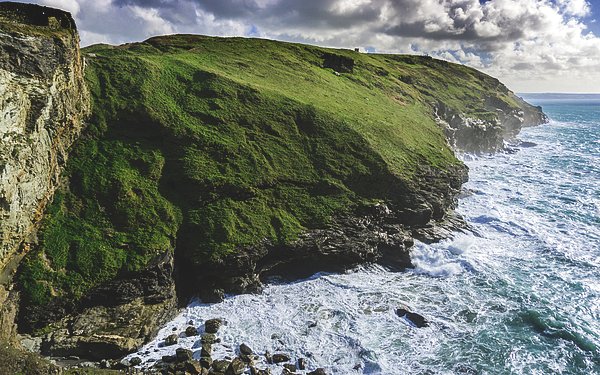
Cornwall in August is a paradox: some of England’s most beautiful coastline, shared with seemingly all of England. Traffic queues on the A30, beaches where you can’t see sand for towels, restaurant bookings harder to get than Glastonbury tickets. But Cornwall out of season is a different county entirely — empty coves, dramatic skies, pubs with fires lit, and prices that make you wonder why anyone goes in August. The best time to visit Cornwall to avoid crowds isn’t a single month — it’s a strategy.
The best time to visit Cornwall to avoid crowds: the quiet calendar
- May (after the early bank holiday) and June: the sweet spot. Long days, warm-ish weather (18–20°C), wildflowers everywhere, and the summer crowds haven’t arrived. Sea’s chilly but the beaches are gloriously empty. Accommodation 30–40% cheaper than August.
- September: arguably the best month — the sea is at its warmest (it’s had all summer to heat up), the crowds vanish the moment schools go back, and there’s a golden, mellow light photographers dream about. Many call it Cornwall’s secret summer.
- October: for walkers and storm-watchers. The coast path is empty, the light is dramatic, and pubs are cosy. Some attractions close, but the landscape is the attraction.
- November–February: the real quiet. Atlantic storms, huge skies, deserted beaches, and the cheapest accommodation of the year. Not beach weather — but magical in a completely different way. Newquay’s Fistral Beach in a January storm is unforgettable.
- March–April: spring arrives early in Cornwall — gardens (Trebah, Glendurgan, the Lost Gardens of Heligan) are at their best, lambs everywhere, and Easter is the only busy blip.
Avoid: the last two weeks of July through August (peak everything), Easter weekend itself, and the early May bank holiday if you hate queues. Half-terms are busy but manageable outside summer.
Where the crowds aren’t (even in summer)
If you must go in peak season, geography is your friend:
- Skip St Ives in August (or visit at 8am before the crowds, and leave by 11). Instead: the north coast between Porthtowan and Perranporth, or the Roseland Peninsula — equally beautiful, fraction of the people.
- Walk 15 minutes from any car park. The coast path empties dramatically beyond the first headland. The famous beaches are famous because they’re accessible; walk a little and you’ll have coves to yourself.
- The Lizard and West Penwith feel wilder and quieter than the honeypots — Kynance Cove at 7am (before the car park fills) is worth the alarm.
- Eat at lunchtime, not dinner. The best seafood restaurants are bookable at lunch when everyone’s on the beach. Same food, no three-week wait.
Visit Cornwall’s official visitor guide has seasonal highlights and (honest) crowd forecasts for major events.
Booking smart for quiet Cornwall
- Self-catering out of season is absurdly cheap. Cottages that cost £1,500/week in August go for £400–£500 in November. Many owners offer 3-night winter breaks.
- Travel off-peak even within your trip. Arrive Sunday, leave Friday — weekend changeovers are when the roads clog.
- Book restaurants ahead, always. Even out of season, the good ones fill up. A quick call the day before saves the hangry wander.
- Check the surf and the tides. Some beaches (like Perranporth) transform at low tide; others vanish. Tide times shape your days more than any itinerary.
What to do when it’s not beach weather
Non-summer Cornwall has its own pleasures: the coast path in a gale (exhilarating, then the pub), the Tate St Ives and the Barbara Hepworth Garden (better without crowds), the Eden Project (best in winter — the biomes are tropical while it’s freezing outside), seal watching at Godrevy, and storm-watching from a clifftop café with hot chocolate. Our roundup of family-friendly beaches in the UK covers the summer side; seaside towns for a UK weekend break has more coastal inspiration year-round.
Eating and drinking: the quiet-season advantage
Here’s an underrated perk of off-season Cornwall: you can actually get into the good restaurants. Rick Stein’s Seafood Restaurant in Padstow, Outlaw’s, the hidden gems in Fowey and Port Isaac — in August they’re booked solid for weeks; in October you can walk in. Pubs are better too: fires lit, locals actually at the bar (rather than driven out by tourists), and the landlord has time to chat. The food scene doesn’t hibernate — it just becomes accessible. Ask for the catch of the day wherever you are; Cornwall’s fishing ports land some of the best seafood in Britain, and out of season it’s often cheaper.
Getting around: the transport reality
Cornwall’s public transport is patchy — buses exist but they’re infrequent, especially out of season. If you’re visiting without a car, base yourself somewhere walkable with a station: St Ives (branch line from St Erth, one of Britain’s prettiest rail journeys), Falmouth, Penzance, or Truro. The coast path connects many towns on foot, and the ferry services (St Mawes–Falmouth, Padstow–Rock) run seasonally — check timetables before relying on them. With a car, everything opens up, but even then: the lanes are narrow, the satnav lies about journey times, and you’ll want to allow double what it suggests. Driving in Cornwall rewards patience and punishes schedules.
Where to stay for quiet Cornwall
- Self-catering cottages: the default for good reason — kitchens, washing machines, and space to spread out. Book direct with owners for the best prices out of season.
- B&Bs and guest houses: the hosts are local encyclopaedias — ask them where’s quiet this week and they’ll tell you honestly.
- Youth hostels: YHA has stunning coastal locations (Treyarnon Bay, Boswinger) at £20–£30/night — unbeatable value for solo travellers and walkers.
- Camping: out-of-season camping in Cornwall is for the hardy, but the campsites are empty and the stars are incredible. Summer camping books out months ahead.
The takeaway
The best time to visit Cornwall to avoid crowds: May/June or September for the sweet spot of weather and emptiness, winter for dramatic solitude at bargain prices. Walk 15 minutes from the car park, eat at lunch, travel midweek, and let the famous honeypots keep their queues while you discover the quiet coves. Cornwall rewards the off-season traveller richly — you just have to pack a jumper.