A baby shower is a celebration held before — or sometimes just after — a baby’s birth, where friends and family gather to honour the expectant parents, play games, share advice and give gifts for the new arrival. Traditionally organised by a friend or relative rather than the parents themselves, it is essentially a joyful send-off into parenthood, usually involving cake, decorations and a suspicious number of tiny socks.
Where the tradition comes from
Baby showers as we know them took off in America after the Second World War, when the baby boom made celebrating new arrivals a national pastime. But the impulse is far older — cultures across history have marked impending births with gatherings, blessings and practical gifts. What crossed the Atlantic to Britain in the 2000s, carried by films, social media and returning expats, was the specific format: the hosted party, the games, the gift-opening ceremony.
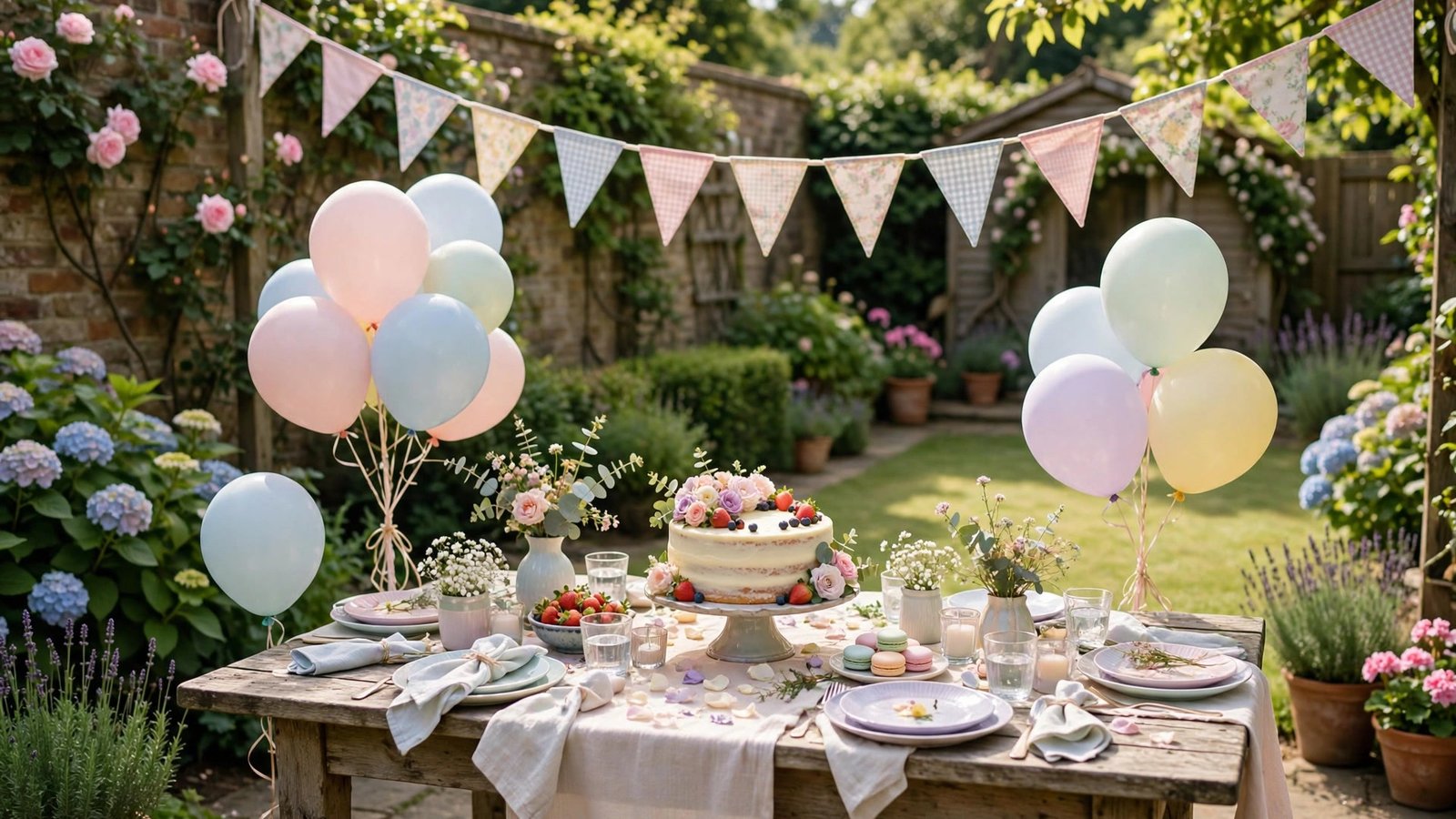
Britain has made it its own. The full-throttle American version — with its elaborate themes and gift registries worth thousands — often gets softened here into something more like a celebratory afternoon tea or garden party. Many British mums-to-be were initially sceptical (“isn’t it a bit… much?”), but the chance to gather your favourite people before life changes forever has won most of them over.
When to hold one
The sweet spot is between 28 and 34 weeks of pregnancy. Earlier than that and it can feel premature; later and the guest of honour may be too uncomfortable — or the baby may gatecrash. Late spring and summer showers can take advantage of gardens; winter ones suit cosy afternoon teas indoors.
A note on sensitivity: if the pregnancy has been difficult, or if guests have experienced loss or fertility struggles, a little thoughtfulness in the invitation goes a long way. The best hosts quietly check in with anyone who might find the day bittersweet.
Who hosts, and who pays?
Etiquette traditionally says the parents-to-be should not throw their own shower — it looks like gift-grabbing. In practice, a close friend, sister or mum usually organises it, often with a small committee chipping in. Costs are typically split among the hosts or covered potluck-style, with guests bringing a plate. If you are the organiser, set a budget early and be upfront about contributions; nothing sours a celebration like a surprise bill.
Venues range from someone’s living room (free, intimate, easy) to hired village halls, restaurant private rooms or marquees for larger gatherings. For a guest list of 15–25 — the typical British size — a home or garden is usually perfect.
Games and activities that actually work
Baby-shower games have a reputation for being excruciating, but the good ones genuinely break the ice between the mum’s school friends, work colleagues and in-laws who have never met. Reliable crowd-pleasers include:
- Baby bingo: guests fill in grids with predicted gifts and mark them off during the present opening.
- The price is right: guess the cost of nappies, wipes and muslins — new parents are always shocked.
- Advice cards: each guest writes one piece of wisdom for the parents-to-be. Funny, heartfelt, or both.
- Nappy changing race: timed changing of a doll, blindfolded for the brave. Messy and hilarious.
- Guess the baby photo: guests bring their own baby pictures; everyone guesses who is who.
Keep games to three or four, each under 15 minutes. Nobody ever complained that a shower had too little structured entertainment and too much cake.
Gift etiquette in the UK
There is no obligation to spend big. Thoughtful, practical gifts in the £15–£40 range are the norm — beautiful muslins, a soft blanket, bath-time bits, or books for the nursery shelf. Group gifts work brilliantly for pricier items like prams or car seats: ten friends at £20 each buys something genuinely useful.
A changing bag stocked with essentials is a gift that never misses — see our guide to how to pack a diaper bag for ideas on what to put in it. And if the parents have a gift list, use it; there is no prize for originality when the third identical baby gym arrives.
Wrapping matters less than the card. A heartfelt message to the parents-to-be will be re-read on sleepless nights long after the packaging is recycled.
British twists on the tradition
The UK has evolved its own variations. Co-ed showers — with partners, dads-to-be and male friends invited — are increasingly popular, often taking the form of a barbecue or pub garden gathering with rather better drinks than the traditional prosecco-and-cupcakes affair. Baby sprinkles are smaller, low-key celebrations for second or subsequent babies (“you’ve got the big stuff already — let’s just have cake”). And virtual showers by video call, a pandemic legacy, remain a kind option when family is scattered across the country or abroad.
There is also a growing trend towards nesting parties, where instead of gifts, friends come round to help — batch-cooking freezer meals, assembling flat-pack furniture, deep-cleaning the nursery. For many parents, an afternoon of practical help beats another set of booties.
Celebrations have a way of clustering in life: engagements, weddings, then babies. If nuptials are also on your horizon, our guide to choosing a wedding band might come in handy sooner than you think.
One practical note for expectant parents in the UK: check your entitlements at gov.uk’s maternity pay and leave pages, and the NHS pregnancy guide covers the medical side week by week.
Baby shower questions, answered
Do you bring a gift to a baby shower?
Yes — gifts are the point, though no one expects extravagance. Something practical in the £15–£40 range is perfect, and a heartfelt card matters as much as the present itself.
Who should be invited?
Close friends and family of the parents-to-be — typically 15 to 25 people in the UK. It is the mum-to-be’s call; some want everyone, others prefer an intimate circle. Partners and in-laws are usually included unless it is explicitly a girls’ gathering.
Is it bad luck to have a shower before the birth?
Some families, particularly in certain cultures and faiths, prefer to celebrate after the baby arrives — and that is completely fine. Post-birth “sip and see” parties, where guests meet the baby, are a lovely alternative and dodge the question entirely.
What should I wear to a baby shower?
Whatever suits the venue: a nice dress or smart-casual outfit for an afternoon tea, something comfortable for a garden party. When in doubt, ask the host — overdressed beats underdressed.
How long does a baby shower last?
Two to three hours is the sweet spot. Long enough for food, games and present-opening; short enough that the heavily pregnant guest of honour is still smiling at the end.