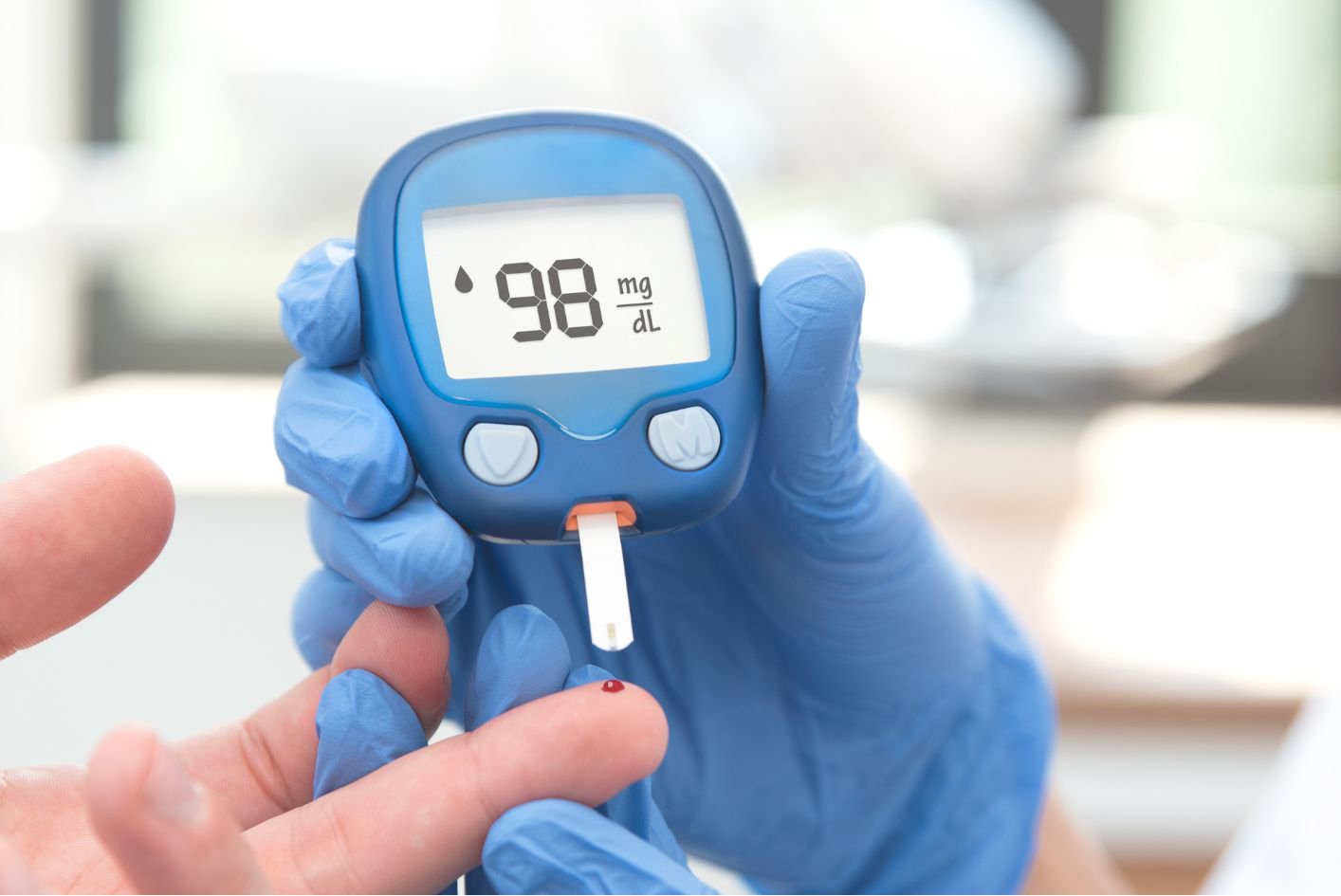
You’re thirsty all the time. You’re getting up to pee twice a night. That cut on your finger is taking an age to heal. Individually, these are easy to dismiss — busy life, getting older, dry office air. But together, they can be the warning signs of high blood sugar, and in the UK, where over 5 million people live with diabetes (and an estimated million more undiagnosed), they’re worth taking seriously.
High blood sugar (hyperglycaemia) usually develops gradually, which is exactly why it’s dangerous — you adapt to feeling slightly off until “slightly off” becomes your normal. The earlier you spot it, the simpler it is to act. Here’s what to watch for.
The classic warning signs of high blood sugar
- Excessive thirst and a dry mouth. When glucose builds up in your blood, your kidneys work overtime to flush it out, pulling water with it. The result: you’re constantly thirsty no matter how much you drink.
- Frequent urination, especially at night. Needing to pee more often — particularly waking up multiple times — is one of the most common early signs. If your nights are newly broken by bathroom trips, don’t just blame age.
- Unexplained tiredness. Your cells aren’t getting the glucose they need efficiently, so you feel drained despite sleeping. If this is persistent, also read our guide on causes of constant tiredness — but get your blood sugar checked too.
- Blurred vision. High glucose affects the fluid balance in your eyes’ lenses. It can come and go, which makes it easy to dismiss as tiredness.
- Slow-healing cuts and frequent infections. High blood sugar impairs immune function and circulation — wounds linger, thrush or UTIs recur, gums bleed more.
- Unexplained weight loss. Despite eating normally (or more), the body starts burning fat and muscle because it can’t use glucose properly. This is more typical of type 1 but happens in type 2 as well.
- Tingling or numbness in hands and feet. Usually a later sign of nerve damage from prolonged high sugar — a reason to act early, not a reason to panic, but don’t ignore it.
- Recurrent thrush or itchy skin. Excess glucose feeds yeast — a classic but under-recognised sign, especially in women.
Diabetes UK has a clear checklist of type 2 diabetes signs and symptoms — if three or more of these sound familiar, it’s time for a test, not more Googling.
Who’s most at risk in the UK?
Type 2 diabetes risk climbs with age (over 40, or over 25 for South Asian, Black African and Black Caribbean backgrounds), excess weight around the middle, family history, high blood pressure, and a sedentary lifestyle. But plenty of slim, active people develop it too — genetics plays a real role. There’s no shame in it and no blame; there’s just a blood test.
If you’re in an at-risk group, the NHS Health Check (free for 40–74 year olds in England) includes diabetes screening. Here’s how to prepare for your first NHS health check so you get the most from it.
What to do if you spot the signs
- See your GP and ask for an HbA1c test. This simple blood test shows your average blood sugar over 2–3 months. It’s the definitive answer — no guessing, no home urine strips needed.
- Don’t try to “fix it” with extreme diets first. Get the diagnosis, then work with your GP or diabetes team on a plan. Crash dieting before you know what’s happening helps nobody.
- Start the foundations now. Whatever the result, the lifestyle measures that help blood sugar are the same ones that help everything: cutting back on sugar gradually, walking after meals, maintaining a healthy weight, and checking blood pressure at home since the two conditions travel together.
When it’s urgent
Seek urgent medical help if high blood sugar signs come with fruity-smelling breath, nausea and vomiting, stomach pain, rapid breathing or confusion — these can indicate diabetic ketoacidosis (DKA), a medical emergency, most common in type 1 diabetes but possible in type 2. Don’t wait for a GP appointment.
The hopeful part: type 2 is manageable, sometimes reversible
A diagnosis isn’t a life sentence of decline. The NHS Type 2 Diabetes Path to Remission programme has shown that structured weight management puts many people into remission. Even without full remission, early action dramatically cuts the risk of complications — eye damage, kidney disease, amputations — that make diabetes frightening. The people who do best are the ones who caught it early. The NHS type 2 diabetes overview lays out symptoms, causes and treatment clearly.
What your blood sugar numbers actually mean
If a GP or home test has given you numbers, here’s how to read them without spiralling. UK measurements use mmol/L.
- Fasting glucose (morning, before eating): under 5.5 is normal; 5.5–6.9 suggests impaired fasting glucose (prediabetes territory); 7.0+ on two separate tests indicates diabetes.
- HbA1c (average over 2–3 months): under 42 mmol/mol is normal; 42–47 is prediabetes; 48+ indicates diabetes. This is the number GPs care about most because a single reading can’t be skewed by one bad day.
- Random (non-fasting) glucose: under 7.8 is typical; consistently over 11.1 with symptoms suggests diabetes. Single random readings are the least meaningful — don’t diagnose yourself from one.
If you’re in the prediabetes range (42–47): this is genuinely good news disguised as bad. It’s the stage where lifestyle changes work best — the NHS Diabetes Prevention Programme has solid evidence for reversing it, and your GP can refer you. Modest weight loss (5–7% of body weight), 150 minutes of weekly activity, and cutting sugary drinks are the highest-impact moves. Many people return to normal range within a year.
Home testing kits and CGMs: finger-prick kits (£15–£25) are fine for occasional checks if advised by your GP, but continuous glucose monitors marketed to non-diabetics are mostly expensive noise — healthy people’s glucose spikes and dips constantly, and without medical context the data causes more anxiety than insight. If you’re not diabetic, spend the money on better food instead.
The single most useful thing you can do with any borderline result: ask your GP for the retest interval (usually 6–12 months) and treat the intervening time as a project, not a worry. Numbers that are moving in the right direction matter more than any single reading.
Your takeaway: three symptoms = a blood test
The warning signs of high blood sugar — thirst, frequent urination, fatigue, blurred vision, slow healing — are easy to dismiss individually and hard to ignore together. If several apply to you, book a GP appointment and ask for an HbA1c test. It’s five minutes, it’s free, and catching it early changes everything.