
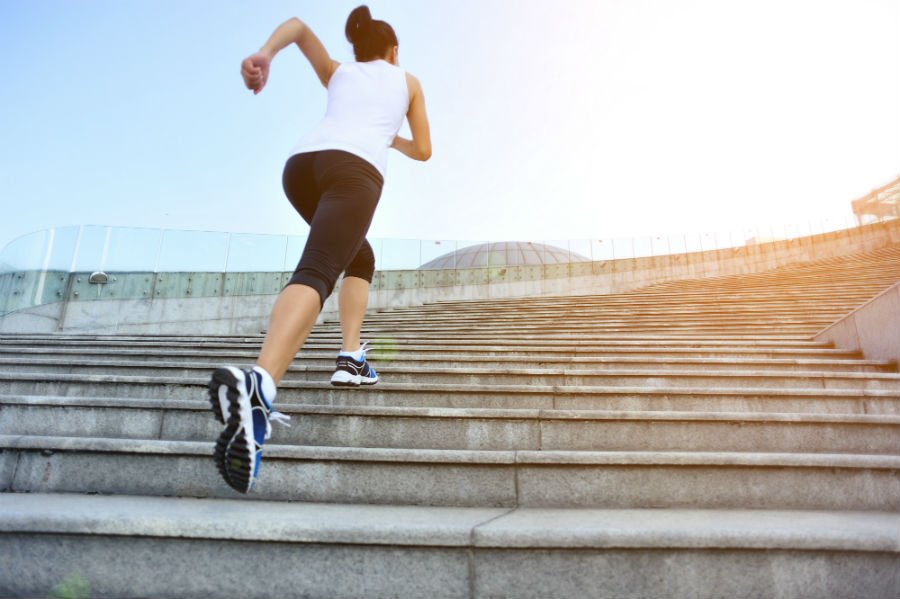
Ten thousand steps. It’s the most famous fitness number on earth — printed on pedometers, programmed into Fitbits, repeated like gospel. But where did it come from, and do the benefits of walking 10000 steps a day actually hold up? The honest answer is more interesting than the slogan, and better news than you’d expect.
The 10,000 figure started as a 1960s Japanese marketing campaign for a pedometer (manpo-kei literally means “10,000 steps meter”). It wasn’t science. But decades of research since have largely vindicated it — with some important nuances. Here’s what walking that much actually does for you, and what to do if 10,000 feels impossible.
The proven benefits of walking 10000 steps a day
- Heart health. Regular brisk walking is linked to significantly lower risk of heart disease and stroke. The British Heart Foundation counts walking among the best exercises for cardiovascular health — it’s aerobic, sustainable and free.
- Weight management. 10,000 steps burns roughly 300–500 calories depending on your size and pace. It’s not dramatic, but compounded daily it’s the difference between gradual gain and gradual loss. Pair it with sensible eating (see our budget healthy eating guide) and it adds up fast.
- Blood sugar control. A 10–15 minute walk after meals measurably blunts glucose spikes — one of the simplest diabetes-prevention tools there is.
- Mood and mental health. Walking, especially outdoors, reduces symptoms of anxiety and depression. The combination of movement, daylight and rhythm is doing quiet work on your brain chemistry.
- Better sleep. Daytime activity — particularly morning daylight exposure during your walk — anchors your circadian rhythm. If sleep is a struggle, these techniques pair well with a walking habit.
- Joint and bone health. Walking is weight-bearing, which maintains bone density, and the gentle motion lubricates joints — it’s routinely recommended for arthritis management.
- Longevity. Large studies associate higher daily step counts with lower all-cause mortality. The effect is real and dose-dependent.
The nuance: is 10,000 the magic number?
Not exactly. Research suggests the biggest health gains come from going from sedentary to moderately active — the jump from 2,000 to 7,000 steps delivers more benefit than 7,000 to 10,000. Benefits continue up to around 8,000–10,000 for most adults, then plateau. For over-60s, studies suggest 6,000–8,000 steps captures most of the benefit.
So treat 10,000 as an aspiration, not a pass/fail exam. If you’re currently at 3,000, getting to 6,000 is a genuine health transformation. The NHS walking for health guide emphasises building up gradually rather than hitting an arbitrary target on day one.
Pace matters too
A dawdling 10,000 steps isn’t the same as a brisk 7,000. Aim for “moderate intensity” — walking fast enough that your heart rate rises and you’re slightly breathless but can still talk. That’s the zone where cardiovascular benefits kick in. If you’re over 50 and building fitness, our guide to low impact workouts explains how walking fits into a bigger picture.
How to actually hit 10,000 steps in a normal UK life
The average Brit manages 3,000–4,000 steps. Closing the gap needs strategy, not willpower:
- Walk the commute edges. Get off the bus two stops early, park at the far end of the car park, take the stairs. These “invisible” steps add 2,000–3,000 effortlessly.
- The lunch walk. Twenty minutes at midday = ~2,500 steps plus daylight. The highest-ROI habit on this list.
- Walking meetings and phone calls. If it doesn’t need a screen, it doesn’t need a chair.
- The after-dinner loop. Fifteen minutes around the block aids digestion, steadies blood sugar and adds ~1,500 steps.
- Weekend purposeful walks. One longer walk (an hour in a park, along a canal, round the shops) banks 6,000+ in one go.
Track with your phone’s built-in health app before buying anything — most people don’t need a fitness tracker to walk more. And on hot days, take water and read our tips for staying hydrated in a heatwave.
Making 10000 steps fit a desk job
The standard advice — “take the stairs”, “park further away” — adds maybe 1,500 steps. If you’re desk-bound, you need structural changes, not tips. Here’s what actually moves the number for office workers.
The commute is the lever. Getting off the bus or tube one stop early typically adds 1,500–2,500 steps each way. That’s potentially 5,000 steps — half your target — before you’ve done anything else. If you drive, park at the far end of the car park (500–800 steps) or build a 15-minute walk into one end of the commute.
Walking meetings. The single most effective office habit. A 30-minute walking meeting is ~3,000 steps, and people consistently report better ideas and less awkwardness than sitting across a table. Start with 1:1s and phone calls — nobody needs to see your face for a status update.
The lunch walk, non-negotiable. 20–30 minutes after eating: 2,500–3,500 steps, better afternoon energy, improved blood sugar response to lunch, and daylight exposure that helps sleep. It’s the highest-ROI half hour in a desk worker’s day. Eat at your desk first if you must, then walk — don’t sacrifice the walk for a longer lunch.
Micro-bursts. Five minutes of brisk walking every hour (a lap of the office, up and down stairs) adds ~500 steps each — 4,000 across a workday — and the evidence on breaking up sitting time is strong for metabolic health independent of total steps.
Evening anchor. A 20-minute after-dinner walk (~2,500 steps) aids digestion, improves sleep onset, and gets you off the sofa. Pair it with a podcast or a call to family and it stops feeling like exercise.
Add it up: commute tweak (4,000) + walking meetings (3,000) + lunch walk (3,000) = 10,000 before the evening walk. You don’t need all of them — any two gets a sedentary person most of the way there.
Your takeaway: more is better, perfect is unnecessary
The benefits of walking 10,000 steps a day are real — heart, mood, sleep, weight, longevity — but the magic is in moving from “barely” to “plenty”, not in the exact number. Build walking into your existing day, pick up the pace a little, and let the steps take care of themselves.


