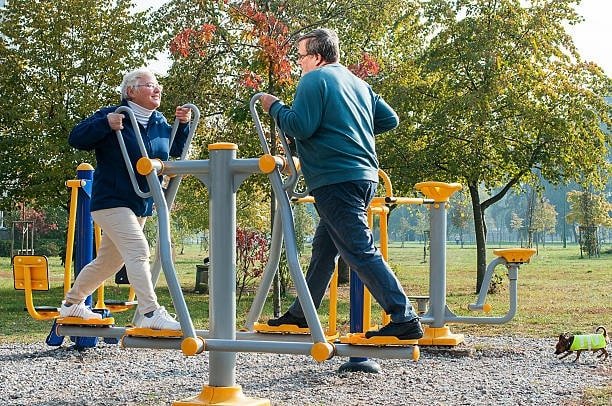
There’s a particular kind of dread that comes with realising your knees now commentate on the weather. If you’re over 50 and thinking about getting fitter, the fitness industry doesn’t make it easy — everything seems aimed at 25-year-olds doing burpees. But the best low impact workouts for beginners over 50 aren’t about punishing yourself. They’re about moving well, building strength safely, and still being able to walk downstairs the next day.
Low impact simply means exercises that don’t hammer your joints — at least one foot stays grounded (or your body is supported, like in water). After 50, this matters because muscle mass naturally declines, joints get creakier, and recovery takes longer. The goal isn’t to become an athlete; it’s to stay strong, mobile and independent for decades. Here’s where to start.
Why gentle exercise suits the over-50 beginner
After 50, adults lose 1–2% of muscle mass per year (sarcopenia), bone density declines, and balance gets wobblier — which is why falls become a real concern. The right exercise reverses all three trends. The NHS recommends adults do at least 150 minutes of moderate activity weekly plus strength exercises twice a week, and specifically advises older adults to add balance and flexibility work.
Low impact training delivers all of this without the joint pounding of running or high-intensity classes. You get stronger bones, better balance, a healthier heart and — not to be underestimated — better mood and sleep. Many people find that daily walking becomes easier and more enjoyable once a bit of strength work is in the mix.
The best low impact workouts to start with
1. Walking (but do it properly)
The most underrated exercise on earth. Start with 15–20 minutes at a pace where you can talk but feel slightly warm, and build gradually. Walking poles (Nordic walking, huge in the UK’s parks) engage your upper body and take pressure off knees — Age UK and local councils run beginner groups everywhere. Aim to progress toward that 150-minute weekly target over a couple of months, not a fortnight.
2. Swimming and aqua aerobics
Water supports up to 90% of your body weight, making this the joint-friendliest workout there is. Most council leisure centres run dedicated over-50s or gentle aqua sessions, and a swim membership often costs £25–£40 a month — some GPs can even refer you at a discount. The resistance of water builds strength without you noticing.
3. Cycling (including e-bikes)
Brilliant cardio with none of the impact. If hills or dodgy knees put you off, an e-bike is a genuine game-saver for the over-50s — you still pedal and still get fitter, the motor just flattens the worst bits. Stationary bikes at the gym work identically if you’d rather stay dry.
4. Strength training with light weights or bands
This is the non-negotiable one. Muscle is your retirement insurance — it protects joints, bones and balance. Start with resistance bands (£10–£15 for a set) or light dumbbells: squats to a chair, wall press-ups, seated rows, step-ups. Two sessions a week, 20–30 minutes. Our guide to building muscle with home workouts covers the basics with no gym required.
5. Yoga, Pilates and tai chi
Flexibility, balance and core strength in one package — exactly what ageing bodies need. Tai chi has particularly good evidence for fall prevention. Look for beginner or “gentle” classes; YouTube has excellent free over-50s yoga channels if classes feel intimidating.
How to start without hurting yourself
- Get the all-clear if needed. If you have heart disease, uncontrolled blood pressure, severe arthritis or you’re very deconditioned, a quick GP chat first is sensible. The NHS exercise as you get older guide is the authoritative starting point.
- Warm up and cool down. Five minutes of gentle marching and arm swings before, and proper stretches after — non-negotiable at our age.
- Follow the 10% rule. Increase time or intensity by no more than about 10% a week. Enthusiasm injuries are the number one beginner killer.
- Soreness vs pain. Mild muscle soreness 24–48 hours after is normal. Sharp, joint, or one-sided pain is not — back off and get advice.
- Wear proper shoes. Decent supportive trainers (£40–£60 from a proper running shop with gait analysis) prevent a world of knee and foot grief.
A sample first fortnight
Week 1: two 20-minute walks, one gentle swim or aqua class, one 20-minute band session. Week 2: add five minutes to the walks, try a beginner yoga video. That’s it. Boring? Maybe. Sustainable? Completely — and sustainability is the entire game.
The gear question: what you actually need
One of the best things about starting exercise after 50 is how little equipment it requires. The fitness industry wants you to believe you need a home gym; you need comfortable shoes and not much else.
Footwear. The one thing worth spending on. Worn-out trainers with collapsed soles are a genuine injury risk. You don’t need £180 carbon-plated racers — a basic supportive walking shoe or cross-trainer (£40–£70 from Decathlon, Sports Direct or ASOS) is plenty. Replace when the tread’s gone or they stop feeling supportive, roughly every 500 miles of walking.
Clothing. Anything you can move in. Moisture-wicking tops (£8–£12) are worth it if you sweat; otherwise an old t-shirt is fine. Layers for outdoor walking — you warm up fast, so start slightly cool.
Optional but useful:
- Resistance bands (£8–£15 for a set). The single best-value strength tool for beginners — joint-friendly, portable, and enough for a full-body routine for months.
- A yoga mat (£15–£25). Makes floor work dramatically more pleasant, especially on hard floors and older knees.
- Light dumbbells or water bottles. 1–3kg to start; household items work fine until you outgrow them.
- A simple fitness tracker or phone app. Not essential, but step counts are motivating, and the NHS Active 10 app is free.
What you don’t need: a gym membership (yet), a personal trainer (yet), special supplements, or matching outfits. Start with walking and bands. If you’re still going in three months, then consider whether a gym, class or trainer would add something. The best exercise programme is the one you’ll still be doing in a year — and expensive gear has never been what makes that happen.
Your takeaway: start embarrassingly small
The best low impact workouts for beginners over 50 are walking, swimming, cycling, light strength work and yoga or tai chi. Start small, progress slowly, prioritise strength and balance alongside cardio, and check with your GP if you have health concerns. The fittest 70-year-olds you know all started exactly where you are now.