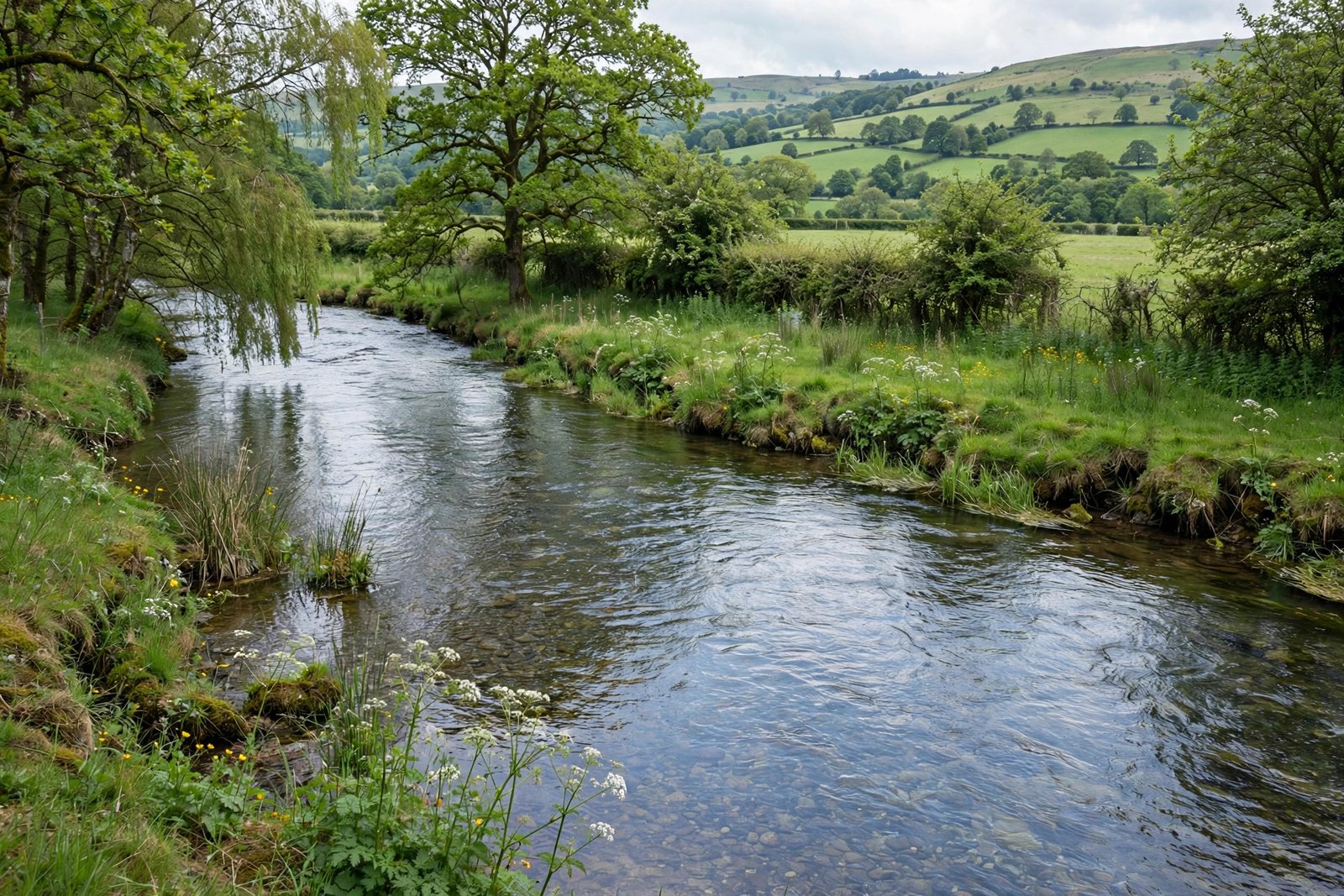
Britain’s rivers have become a national scandal: sewage discharges, agricultural runoff and chemical pollution have left barely any English river in good ecological health. It is easy to feel the problem is distant — something for regulators and water companies — but water pollution connects directly to your home, your bills and your health. Understanding how it works, where it comes from and what you can actually do about it turns outrage into agency. Here is the clear guide.
The Three Sources of Pollution
1. Sewage overflows
The headline scandal. Combined sewer systems (carrying both sewage and rainwater) release untreated sewage into rivers during heavy rain through “storm overflows” — legal but increasingly controversial. Water companies in England discharged billions of litres this way in recent years, and public fury has driven new monitoring, fines and investment pledges. The politics are heated; the fact pattern is clear from Environment Agency data: overflows designed for exceptional storms are used routinely, including in dry weather in some cases — which is illegal and prosecuted.
2. Agricultural runoff
The quieter, larger polluter. Fertilisers (nitrates, phosphates) and animal slurry wash from fields into waterways, causing algal blooms that suffocate aquatic life — eutrophication. Agriculture is the biggest contributor to poor river water quality in many catchments, yet attracts less outrage because it lacks a corporate villain. Pesticides add a chemical dimension: slug pellets, herbicides and insecticides all reach watercourses, with documented harm to invertebrates — the base of the aquatic food web.
3. Urban and industrial runoff
Roads shed tyre particles (a major microplastic source), oils, heavy metals and brake dust with every rain. Misconnections — household appliances plumbed into surface-water drains instead of sewers — send detergents and sewage straight to rivers. Industrial discharges are regulated but legacy contamination (mining, old industry) persists, particularly in the North and Wales. And microplastics from laundry and products now appear throughout the water system, with long-term effects still being studied.
For the official picture of your local waterways, the Environment Agency publishes catchment data — and GOV.UK’s Environment Agency pages explain monitoring and enforcement.
How It Reaches You
Drinking water in the UK remains among the world’s safest — treatment works remove the headline contaminants, and regulation is strict. The direct human impacts are elsewhere: recreation (swimming, surfing, kayaking in polluted water carries genuine infection risk — check real-time sewage-discharge maps before wild swimming), property and bills (cleaning up pollution costs billions, ultimately paid through water bills and taxes), food (shellfish waters and fisheries suffer directly), and ecosystems (insect, fish and bird declines trace partly to water quality).
The connection to your home is literal: what goes down your drains and off your land ends up in the system. Fatbergs — the congealed masses of fat and wet wipes blocking sewers — cause overflows directly; never pour cooking fat down sinks or flush wipes (even “flushable” ones). Garden chemicals wash to watercourses; the choices in reducing household waste extend naturally to what you put down drains. If you are unsure about your own tap water quality, checking whether tap water is safe covers the home side.
What Is Being Done
The policy landscape is moving: storm-overflow discharge reduction plans with legal targets, unlimited fines for water companies (replacing the old caps), increased Environment Agency monitoring, agricultural transition schemes paying farmers for cleaner practices, and growing citizen-science monitoring (volunteer river testing now supplements official data). Progress is real but slow — infrastructure overhauls are measured in decades and billions, and agricultural change requires reworking food economics.
The honest assessment: public pressure has achieved more in five years than the previous twenty of quiet regulation. Continued scrutiny — of water company investment delivery, of farming practice change, of government target enforcement — is the mechanism that keeps progress honest. Outrage was the starting gun; sustained attention is the race.
What You Can Actually Do
At home: never flush wipes or pour fat down drains; minimise garden chemicals (or go chemical-free); fix oil drips on cars and driveways; use phosphate-free detergents; pick up dog waste (it is a genuine water pollutant).
In the community: join or support local river groups and citizen-science monitoring; report pollution incidents to the Environment Agency’s hotline — reports trigger investigations.
As a consumer: support water companies’ accountability through scrutiny of their investment plans; choose food with lower runoff footprints where practical.
As a citizen: respond to consultations on water policy; vote with water quality in mind — it is one of the most tangible environmental issues on any ballot.
Recreation: check sewage-discharge apps before swimming; the data exists precisely so you can use it.
Rivers Can Recover: Reasons for Hope
The pollution story has a hopeful second half: rivers recover remarkably fast when pollution stops. The Thames — biologically dead in the 1950s — now supports seals, seahorses and over 100 fish species after decades of cleanup investment. Salmon have returned to rivers written off a generation ago. This is the evidence that action works: aquatic ecosystems are resilient, and the billions being committed to overflow reduction and farm-practice change will compound over coming decades.
Organisations driving the recovery welcome public involvement. The Rivers Trust coordinates catchment partnerships across the UK and channels volunteers into monitoring, restoration and advocacy — practical ways to convert concern into cleaner water. Local river trusts run regular volunteer days: testing water quality, planting riparian buffers, removing barriers to fish migration. The rivers’ recovery is not a spectator sport; the data shows that engaged catchments improve faster than neglected ones. Find your local trust, pick up a testing kit, and become part of the measurable improvement.
Conclusion
Water pollution in the UK is a three-source problem — sewage overflows, agricultural runoff, urban chemicals — with real consequences for rivers, recreation, bills and wildlife, even while drinking water stays safe. The fix is infrastructure, farming reform and sustained public pressure, moving slowly but genuinely. Your part is concrete and meaningful: drains, gardens, reporting, and attention. Rivers do recover when pollution stops — the evidence from cleaned waterways worldwide is hopeful and growing. Britain’s rivers are not doomed; they are waiting — and every reported incident, every volunteer testing kit, every household keeping fat out of the drains moves the recovery forward.
Frequently Asked Questions
Is UK tap water safe to drink?
Yes — UK drinking water is among the most strictly regulated and safest in the world. River pollution and drinking-water quality are separate systems; treatment removes the contaminants before water reaches taps.
Why do water companies discharge sewage into rivers?
Combined sewer systems release diluted sewage through storm overflows during heavy rain to prevent sewage backing up into homes. The controversy is over routine use, dry-weather discharges and the scale of underinvestment in capacity.
What is agricultural runoff?
Fertilisers, slurry and pesticides washing from farmland into waterways — the largest contributor to poor river quality in many areas, causing algal blooms that deplete oxygen and kill aquatic life.
Can I swim safely in UK rivers?
Sometimes — check real-time sewage-discharge data and local river-group advice first, avoid swimming after heavy rain, and never swallow water. Conditions vary enormously by location and weather.
What should I never put down the drain?
Cooking fat (causes fatbergs and overflows), wet wipes (even “flushable” ones), chemicals, paint and medicines. All either block sewers or pass through to waterways.