The average UK home wastes an astonishing amount of the energy it pays for — heat escaping through uninsulated walls, appliances humming on standby, hot water scalding down drains. With energy bills still far above historic norms, “saving energy at home” is no longer just an environmental nicety; it is household budgeting. But beginners face a bewildering menu: LED bulbs, smart thermostats, draught excluders, heat pumps, solar panels — where do you actually start, and what pays back first? This guide ranks home energy saving by return on effort, from the free wins to the bigger investments.
Start With the Free Wins (This Weekend)
Turn down the thermostat — the £100 dial
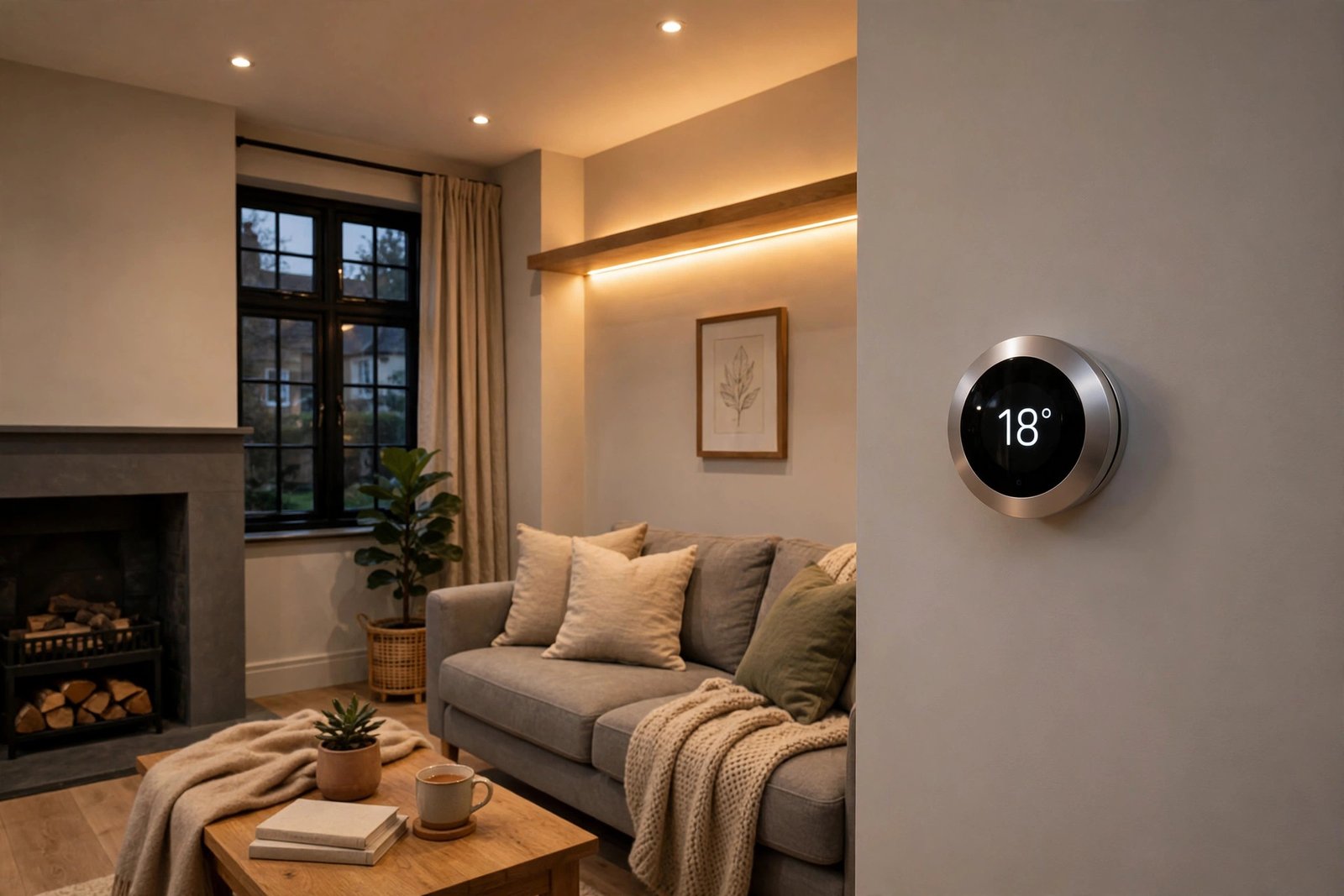
Reducing your room thermostat by just 1°C saves roughly 10% on heating bills — around £100 a year for a typical household (Energy Saving Trust figures). Most people cannot tell the difference between 21°C and 20°C once adapted; the adaptation takes about a week. Turn down radiators in unused rooms via thermostatic radiator valves (TRVs) rather than heating the whole house for one occupied room.
Kill the standby vampires
Devices on standby — TVs, consoles, chargers, the printer nobody uses — consume £40–£60 of electricity a year in the average home. Switch off at the wall or use switched extension leads (£8–£12) for entertainment clusters. The worst offenders: set-top boxes, games consoles in “instant on” mode, and anything with a glowing clock you do not need.
Bleed your radiators once a year: trapped air creates cold spots at the top of radiators, forcing the boiler to work harder for the same warmth. A £2 radiator key and twenty minutes with a cloth is all it takes — when water runs clear and bubble-free, the radiator is done.
Wash smart
Washing at 30°C instead of 40°C uses ~40% less energy per load with modern detergents formulated for low temperatures. Always wash full loads, and use the eco setting on the dishwasher (longer cycle, lower temperature — counterintuitively more efficient). Tumble dryers are among the hungriest appliances in the home (~£80–£100 a year for regular users); a heated airer (£40–£60) or simply a clothes horse near a radiator costs a fraction to run.
Light like it’s 2026
If you still have any halogen or incandescent bulbs, replacing them with LEDs is the fastest payback in the home: an LED uses ~85% less energy and lasts 15–25x longer. A whole-house swap costs £30–£60 and pays back within a year. After that, the habit layer: lights off in empty rooms (the old advice, still valid), and making the most of daylight.
The Cheap Fixes (£10–£100, Payback Under a Year)
- Draught-proofing (£20–£40 in materials): self-adhesive foam strips for windows, brush seals for doors, chimney balloons (£15–£25) for unused fireplaces — an open chimney is a 4-foot hole in your insulation. Draught-proofing a typical home saves ~£40–£60 a year.
- Hot water cylinder jacket (£20–£30): if your cylinder lacks thick insulation, a jacket pays back in months.
- Radiator reflector panels (£20–£30): foil panels behind radiators on external walls reflect heat back into the room rather than warming the brickwork.
- Smart heating controls (£150–£250 installed): heating only the rooms you use, when you use them. The savings (~£100+/year for larger homes) come from zoning, not magic.
- Water-saving shower head (£15–£30): cuts hot water use — and therefore the energy heating it — by up to 40% with no perceptible difference.
The Medium Investments (£100–£1,000)
Loft insulation topping up to the recommended 270mm costs £300–£600 installed (or ~£150 DIY) and saves ~£200+ a year — the best fabric investment in most homes. Cavity wall insulation (£500–£1,000+) suits the ~70% of UK homes with unfilled cavities, saving ~£200–£300 a year. Double glazing upgrades are expensive (£3,000–£7,000 for a house) with long paybacks on energy alone — justified more by comfort, noise and property value. Always fix the cheap stuff first: insulation before generation, fabric before tech.
For the heating-bill dimension specifically, reducing heating bills this winter goes deeper on seasonal tactics, and cutting energy bills for a small business applies the same principles commercially.
The Big Levers (Heat Pumps, Solar)
Air-source heat pumps — the government’s preferred path off gas — cost £7,000–£13,000 installed, offset by the £7,500 Boiler Upgrade Scheme grant. They run at 300–400% efficiency (each unit of electricity moves 3–4 units of heat), cutting heating emissions ~70%+. The catch: they work best in well-insulated homes with larger radiators or underfloor heating — insulate first, heat-pump second. Solar PV (3.5kW system ~£5,000–£7,000) now pays back in 6–10 years at current electricity prices, faster with a battery or an EV to soak up daytime generation. Neither is a beginner move; both are worth understanding as the 5-year plan.
Measure It: The £30 Energy Monitor
You cannot manage what you do not measure. A plug-in energy monitor (£15–£25) reveals exactly what each appliance costs — the moment people discover the old chest freezer costs £90 a year, behaviour changes. Smart meters (free from your supplier) show real-time usage; the households that actually look at their in-home displays cut usage ~3–5%. Knowledge is the cheapest efficiency measure there is.
Conclusion
Saving energy at home as a beginner is gloriously front-loaded with free wins: turn the thermostat down 1°C (£100/year), kill standby (£50/year), wash at 30°C, finish the LED swap — all achievable this weekend for under £20. Then work up the ladder: draught-proofing and cylinder jackets (£100s, payback in months), loft and cavity insulation (£1,000s, payback in years), and heat pumps and solar as the long-term plan with grant support. The Energy Saving Trust offers free, tailored advice for your specific home type. Start with the thermostat — it is a dial, not a project — and let the savings fund the next rung.
Frequently Asked Questions
What uses the most electricity in a UK home?
Typically: electric heating (if any), hot water, tumble dryer, then refrigeration and cooking. The surprise consumers are older: an inefficient fridge-freezer can cost £80+/year; a plasma-era TV left on standby adds up. A £20 plug-in monitor identifies your home’s specific culprits in a weekend.
Is it cheaper to leave the heating on low all day?
No — this is one of the most persistent energy myths. Heating an empty house all day uses more energy than reheating it when needed; the Energy Saving Trust and every thermodynamic analysis agree. Use the timer and thermostat: heat the house when occupied, let it cool when not. The exception is heat pumps, which run most efficiently at steady low temperatures — different technology, different rules.
Do smart thermostats actually save money?
They save money if you use the zoning and scheduling — heating bedrooms only at night, living rooms only in the evening. Bought and then run as a single-zone timer, they save nothing over a basic programmable thermostat. The device enables the behaviour; it does not replace it.
What help is available for energy bills?
The Warm Home Discount (£150 off bills for eligible households), Cold Weather Payments, the Boiler Upgrade Scheme (£7,500 toward heat pumps), and ECO4 funding for insulation for low-income households. GOV.UK’s benefits pages list current schemes; Citizens Advice offers free energy advice locally.
How much can a beginner realistically save in year one?
£200–£400 from the free and cheap measures alone (thermostat, standby, washing habits, LEDs, draught-proofing) — achievable within weeks. Add loft insulation and the figure approaches £500–£700 a year. The big-ticket items (heat pump, solar) are multi-year paybacks but transform the 10-year picture.