Working out how can I reduce energy bills for my small shop or office has gone from a nice-to-have to a survival skill. When unit prices spiked, I watched a friend’s independent bookshop in Leeds see its annual electricity bill jump from £1,800 to nearly £4,000 — on the same usage. She didn’t move premises or buy expensive kit. She just got systematic about the boring stuff, and got the bill back under £2,500. That’s the scale of saving available to most small premises.
The good news is that small shops and offices are full of easy wins. Unlike a factory, you’re not dealing with heavy machinery — your energy goes on lighting, heating, cooling, and a handful of appliances. Almost all of it can be trimmed without spending much.
How can I reduce energy bills for my small shop or office?
Start with measurement. You can’t manage what you don’t measure, and most small businesses have never looked at when they actually use energy. A £15–£30 plug-in energy monitor (or a smart meter, which your supplier must offer) will show you exactly what’s drawing power and when. The surprises are almost always the same: the ancient fridge humming away in the stockroom, the electric heater someone leaves on overnight, the display lighting blazing at 2am.
The quick wins (little or no cost)
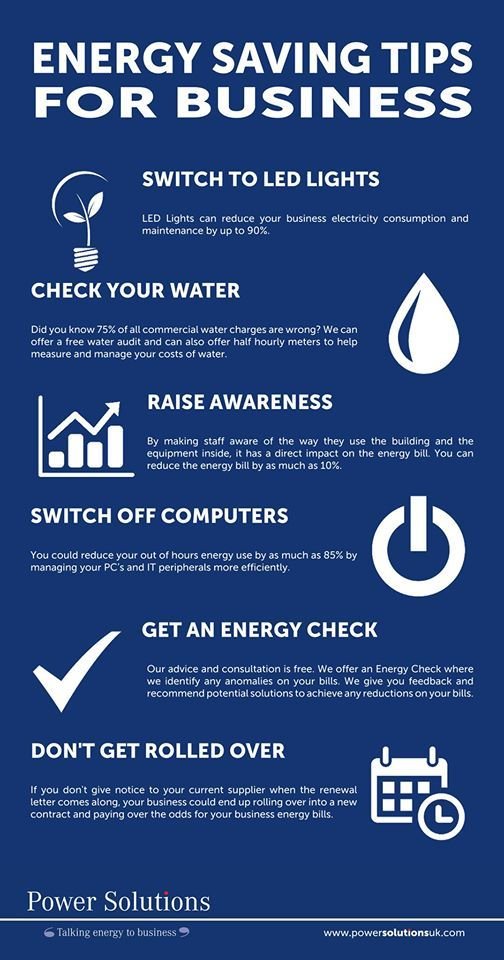
- Switch to LEDs everywhere. If you’re still on halogen spots — common in retail — each 50W halogen replaced with a 5W LED saves around £15 a year per bulb at current prices. A shop with 20 spots saves £300 a year. The bulbs pay for themselves in months.
- Heating discipline. Drop the thermostat by 1°C and you cut heating costs by roughly 10%. Put heating on a timer so it never runs overnight or on closed days, and stop heating the stockroom like it’s the shop floor.
- Kill standby. PCs, monitors, printers, kettles, microwaves — switch them off at the wall overnight. A typical small office wastes £200–£400 a year on standby and out-of-hours use.
- Use the thermostat properly. Heating an empty shop to 22°C “so it’s warm when we open” is burning money. A programmable thermostat that ramps up an hour before opening does the same job for far less.
Bigger investments that pay back
- Insulation and draught-proofing: old shopfronts leak heat spectacularly. Draught-proofing doors and windows is cheap; insulating a suspended ceiling or uninsulated walls costs more but can cut heating bills by 20–30%.
- Modern refrigeration: if your fridges or freezers are over 10 years old, new A-rated models can halve their running costs. For cafés and food shops, this is often the single biggest saving available.
- Solar panels: a small commercial array (4–10kW) on a south-facing shop or office roof typically pays back in 5–7 years at current prices — and you can sell surplus back to the grid.
Don’t forget the contract itself
Here’s the thing most guides skip: the unit rate you’re paying matters as much as how much you use. Business energy isn’t price-capped like domestic energy, and suppliers rely on busy owners rolling onto expensive out-of-contract rates. Mark your contract end date in your calendar and get competing quotes 2–3 months before it expires. The difference between a negotiated fixed deal and a default variable rate can be 30–50% on the unit price alone.
Check whether you’re on the right tariff structure too — some small businesses are on needlessly complex multi-rate tariffs, and a simple single-rate deal works out cheaper. And if your bills look wrong, challenge them: estimated readings on business meters are common, and suppliers do make mistakes. Guidance on your rights as a business energy customer is available from Ofgem.
Getting your overheads under control is part of running a tighter operation generally — our guide to bookkeeping for busy owners helps you spot exactly where the money goes each month.
Getting staff on board (the human side of energy saving)
Here’s the thing about energy saving in a small business: the technology is the easy part. The hard part is the humans. You can install timers, LEDs, and smart thermostats, but if your Saturday staff crank the heating to 24°C and leave the back door propped open, your investment evaporates. In my experience, staff behaviour accounts for 20–30% of a small premises’ energy use — which makes it one of the biggest savings levers you’ve got.
The approach that works isn’t nagging — it’s ownership. Explain the why (energy costs affect everyone’s job security and pay rises), make the how dead simple (labelled switches, clear thermostat rules, a closing checklist), and give someone specific responsibility. “Everyone should turn things off” means no one does; “Sarah does the closing energy check” means it happens. A simple laminated closing checklist by the door — heating off, lights off, equipment off, door locked — costs £2 and saves hundreds.
Consider sharing the savings. One café I know puts half of any year-on-year energy saving into the staff Christmas fund — suddenly everyone cares about the thermostat. It doesn’t have to be money: a team lunch funded by the savings works just as well. The principle is aligning incentives rather than issuing instructions. And make it visible: a simple chart in the staff area showing monthly energy use turns an abstract bill into a team challenge.
This is part of running a tighter operation overall — the same discipline that cuts energy waste improves everything else. If you’re gearing up for busy periods, our guide to preparing for the Christmas sales rush covers managing the seasonal spike in costs, when heating and lighting bills peak alongside your revenue.
Your practical takeaway
This week: read your meter, check your contract end date, and walk the premises after closing to find what’s still switched on. This month: swap remaining halogens for LEDs and fit timers on heating. This year: get three quotes before your energy contract renews. Most small shops and offices can cut 20–30% off their energy costs without spending more than a few hundred pounds — money that goes straight back into the business.