Sellers expect a conversation about price, so silence about the asking figure quietly hands them the advantage.
Research Completed Sales Before Viewing Again
Negotiation begins before any offer is spoken, in the records of what similar homes have actually sold for. Asking prices are hopes; completed sale prices are evidence. Gather the recorded results for properties genuinely comparable to the one you want: same area, similar size, similar type and condition, and recent enough to reflect the present market rather than a vanished one. Public price records make this research available to any buyer willing to spend an evening on it, and that evening quietly determines the ceiling of every sensible offer you will make.
Comparisons need adjusting before they mean anything. A sold price from a renovated house does not value an unrenovated one until you account for the difference in condition. A lease with many years remaining is not the same asset as one where the lease is shortening and extension costs loom. Extensions, converted lofts, parking, garden size and the general state of repair all move value in ways a headline figure hides. Note, too, the listing history of your target property itself: when it came to market, whether the asking figure has already moved, and how long it has sat unsold, because time on the market is information about how other buyers have judged the same evidence.
Ask the agent direct questions and treat the answers as material to verify rather than as gospel. Why is the seller moving, how quickly do they need to complete, have there been earlier offers and what happened to them, and is the property in a chain? Each answer adjusts your sense of the seller’s flexibility. Leverage in negotiation rarely comes from clever phrases; it comes from knowing the property’s real market position and the seller’s real circumstances slightly better than the seller expected a buyer to bother learning.
Assemble Proof of a Serious Position
Sellers and their agents sort offers by credibility before they sort them by size, so assemble your proof before you need it. The core pieces are straightforward: a mortgage agreed in principle from a lender, evidence of your deposit funds, a solicitor identified and ready to instruct, and clarity about your own position, above all whether you are chain-free, a first-time buyer, or dependent on selling your own home first. Presented together, these turn your offer from a number somebody typed into a plan somebody is ready to execute.
Seriousness also shows in how completely you have thought about the property beyond its price. A buyer who has considered the likely works a home needs, and budgeted for them, sounds different in conversation from one who has not. Understanding, for example, what house rewiring involves and costs in an older property signals that your offer already accounts for the home’s real condition rather than being a hopeful figure awaiting collapse at survey stage. Agents register that steadiness. It tells them your number is less likely to wobble later, and steadiness is a currency sellers accept alongside the offer itself.
Prepare the human side of credibility as well. Be reachable, respond promptly, and keep every promise about documents and timescales, however small. Negotiation is a relationship conducted through an intermediary, and reputations form quickly. The buyer whose word holds on minor matters gets believed on major ones, including the crucial assurance that an agreed figure will still be the figure at exchange. By contrast, a slightly higher offer from a buyer who has already proved vague and slow may be quietly discounted by everyone involved, and rightly so.
Open With a Reasoned Written Offer
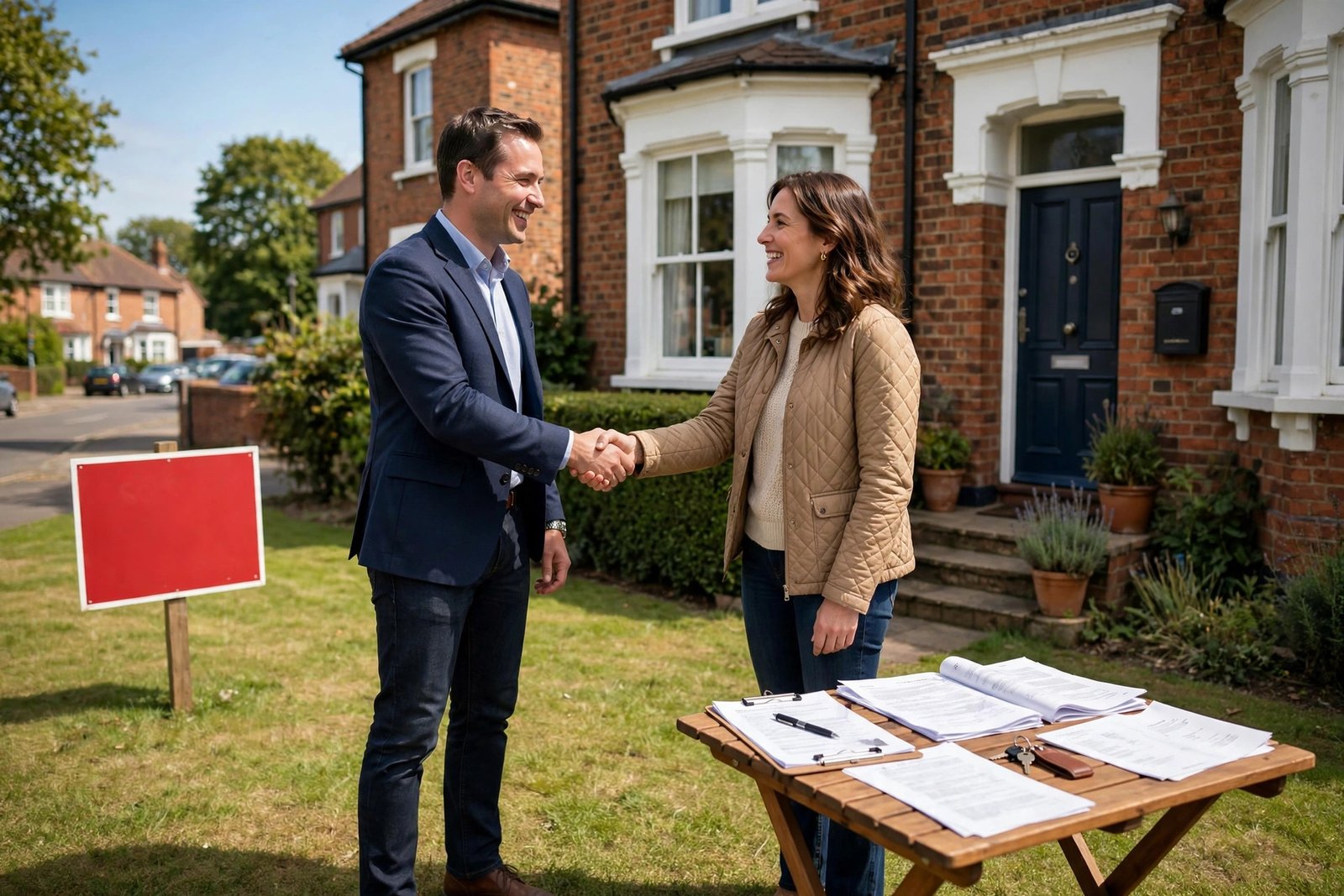
When the research is done and the proof is assembled, open with a reasoned offer, put in writing. A bare low figure invites a bare refusal, because it gives the seller nothing to engage with except wounded pride. A reasoned offer carries its evidence with it: the comparable completed sales you relied on, the condition points that affect value, the costs you have identified, and the strengths of your position, your readiness, your chain position and your timescale. The message underneath the number is that this figure was derived, not invented, and derived figures are harder to dismiss as cheek.
Frame the offer as the start of an agreement rather than as a raid. Acknowledge plainly what the property offers and why you want it, keep the tone respectful, and state any conditions clearly: what the offer assumes about fixtures, timing or other terms, so that acceptance means something precise. Put a courteous horizon on it if circumstances justify one, particularly where you are choosing between properties, but avoid theatrical ultimatums. Sellers who feel cornered often refuse on principle, and principle is an expensive opponent for a buyer to create unnecessarily.
Understanding what you are doing in the abstract, as well as in the particular, pays off throughout. The account of negotiation principles and bargaining approaches describes negotiation as a dialogue between parties intended to reach agreement where interests partly overlap and partly conflict, and a house purchase fits that description precisely. You and the seller share an interest in completing a sale; you conflict only over where the price settles and on what terms. Reasoning in writing serves the shared interest while arguing your side of the conflicting one, which is exactly the balance an opening offer should strike.
Move Gradually Through Each Counter Offer
Expect the first answer to be a counter rather than an acceptance, and treat the exchange that follows as a narrowing conversation rather than a battle of wills. Move in measured steps, and let each of your moves be smaller than the one before, which quietly signals that you are approaching your genuine limit. Large, eager jumps teach the seller that pressure produces money, and invite them to apply more of it. Calm, decreasing steps teach the opposite lesson: that patience will be rewarded with very little, and that accepting soon may be wiser than waiting.
Trade rather than merely concede. When you are asked to move on price, ask for something in return that costs the seller less than it is worth to you: included fixtures or appliances, a completion date that suits your circumstances, repairs completed before exchange, or flexibility that removes cost elsewhere in your move. Exchanges of that kind let both parties feel the negotiation gave as well as took, and goodwill is not decoration in a house purchase. The same seller must cooperate with you through surveys, enquiries and completion, often for weeks after the price is agreed.
Know your ceiling before emotion negotiates on your behalf, and honour it. The ceiling comes from your research and your finances, not from the heat of an exchange, and crossing it because a property has become a contest is the classic buyer’s error. Walking away, done politely and without bluffing, is a real move in the sequence rather than a failure of it. Properties return to markets, other properties appear, and a buyer who has demonstrated reasoned firmness is frequently remembered, occasionally even called back, when a seller’s circumstances change.
Use Survey Findings for Fair Adjustment
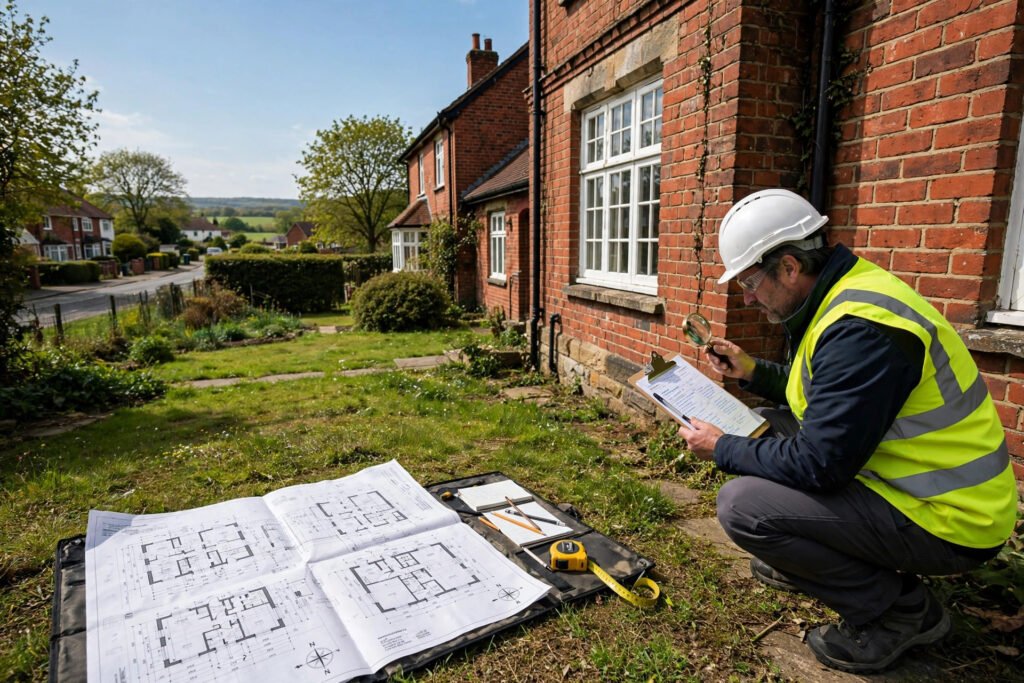
Agreement on a price is not the end of evidence; the survey is where the property itself gets a hearing. A professional survey can surface what viewings cannot: roof condition, damp, structural movement, ageing services, timber problems and the other expensive realities that hide behind fresh paint. Where a survey reveals a genuine issue that your offer could not have accounted for, it is fair to reopen the price conversation and seek an adjustment reflecting the cost of putting the matter right, supported by the surveyor’s findings and, where useful, quotations for the work.
Fairness is the line that protects this stage, so walk it carefully. Genuine, evidenced findings justify adjustment; using the survey as a pretext to shave the price on matters that were visible at viewing, or already reflected in your original reasoning, corrodes trust and can collapse the purchase entirely. Present findings factually, share the relevant extracts, separate the serious from the cosmetic, and propose a figure tied to evidence rather than to a round desire for a further saving. Sellers respond far better to documented reality than to a sudden unexplained reduction, because documented reality is harder to take personally.
Keep perspective while this unfolds. Most older properties produce surveys with lists of advisories, and treating every ageing feature as a negotiating weapon misreads both the document and the market, since comparable prices already assume houses of that age and character. Reserve your adjustment discussion for the material and the unexpected. A negotiation that has been reasonable throughout earns the benefit of the doubt at exactly this stage, which is one more reason the earlier phases matter: credibility accumulated across weeks is spent here, in the conversation where evidence and trust have to carry the price together.
Protect the Agreed Price Until Exchange
The final phase is about protecting what you have agreed, because in England and Wales a house purchase does not become binding until contracts are exchanged. Between acceptance and exchange, either side can withdraw, chains can wobble, and delay gives every doubt time to grow teeth. Speed, of the organised kind, is therefore a negotiating tool in its own right: instruct your solicitor promptly, return documents quickly, keep your lender’s requirements moving, and stay in courteous contact with the agent so that your purchase always feels like the one in the chain that is progressing.
The legal machinery you are moving through has its own structure, set out in the explanation of conveyancing stages in property transfer: the formal transfer of legal title from one person to another, handled through defined stages of searches, enquiries, contract preparation and finally exchange and completion. Understanding those stages tells you where your deal currently sits, what can still go wrong there, and which of your actions unblocks the next step. Buyers who grasp the machinery stop experiencing the wait as fog and start managing it as a sequence, which lowers both anxiety and the temptation to make nervous, unhelpful interventions.
Protect the price itself by protecting the relationship and the paperwork alike. Do not attempt late reductions without fresh evidence, do not let your side become the source of unexplained silence, and keep funds, documents and decisions ready ahead of each milestone rather than behind it. When exchange finally arrives, the agreed figure becomes a contract, and the long conversation closes. Looking back, the buyers who negotiate well are rarely the loudest or the lowest bidders. They are the ones who researched honestly, proved their seriousness early, reasoned in writing, moved gradually, adjusted only on evidence, and then guarded the agreement until the law made it permanent.