
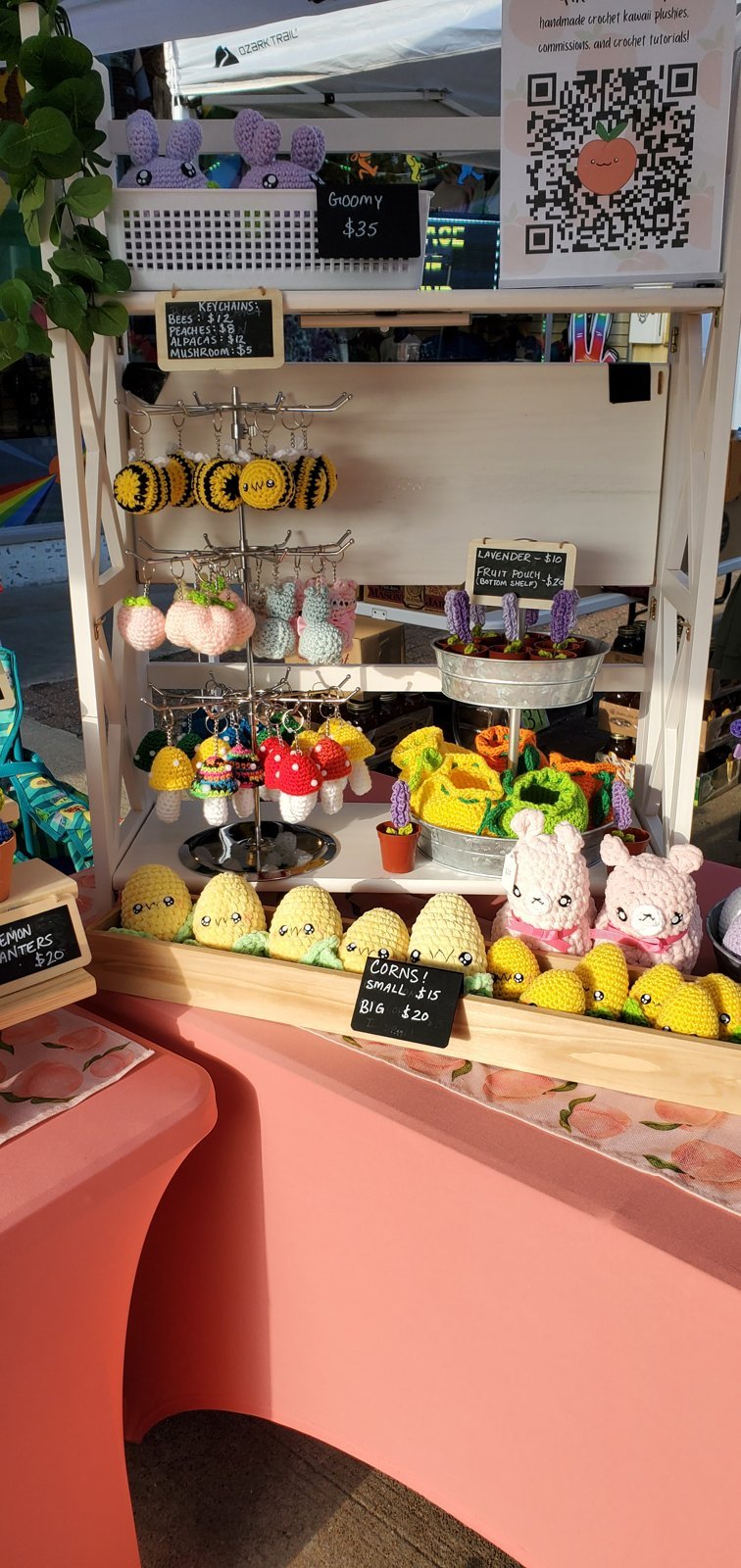
Here’s the tragedy of the handmade business: extraordinary skill, beautiful products, and pricing that values the maker’s time at £3 an hour. I see it constantly at craft fairs — stunning work with price tags that barely cover materials, let alone the hours, the stall fees, the photography, the admin. Learning how to price handmade products to actually make a profit isn’t about greed; it’s about survival. Underpricing doesn’t just hurt you — it trains customers to expect unsustainable prices and undercuts every other maker. Here’s the formula that works.
Price handmade products profit: the real cost formula
Forget “materials × 3” and other folk wisdom. Price properly:
Price = (Materials + Labour + Overhead) × 2 (wholesale) → × 2 again (retail)
Or for direct-to-customer (Etsy, fairs, your site): (Materials + Labour + Overhead) × 2.5–3. Let’s break down each element, because this is where makers go wrong:
- Materials: everything in the product — not just the obvious supplies, but packaging, labels, business cards in the parcel. Cost them precisely; “about £5 of yarn” usually means £8 when you add it up properly.
- Labour: your hours × a real hourly rate — minimum £12–£15/hour (above minimum wage; you’re skilled), rising with expertise. Time everything for a week: making, photographing, listing, packing, posting, admin, customer messages. Most makers discover they work double the hours they thought. Price all of them.
- Overhead: the invisible costs — Etsy fees (~10% all-in), PayPal/Stripe fees, stall fees amortised per item, photography equipment, insurance, accounting, the portion of your home used. Add 15–20% of (materials + labour) as a rule of thumb if you can’t face the detailed calculation.
- Profit: the ×2–3 multiplier isn’t greed — it covers the unsellable hours (design development, failed prototypes), funds growth (new equipment, bigger material orders), and provides the margin for wholesale, sales, and slow months. A product priced at bare cost is a hobby with extra steps.
Worked example
Hand-poured soy candle, sold direct:
- Materials (wax, fragrance, wick, jar, label, packaging): £4.50
- Labour (20 mins making + share of batch prep, photography, listing, packing): 0.5 hrs × £15 = £7.50
- Overhead (20%): £2.40
- Cost base: £14.40 → × 2.5 = £36 retail
“But nobody will pay £36 for a candle!” — some won’t, and they’re not your customers. The customers who value handmade will, and they’re the ones who return, review, and refer. The £12 candle maker is competing with Yankee Candle on price and losing; the £36 candle maker is selling craftsmanship, story, and gift-worthiness — a completely different market. Price selects your customers. Choose which ones you want.
The psychology of handmade pricing
- Charm pricing works (£34 not £36, £29 not £30) — the left-digit effect is real even for artisan goods.
- Offer tiers: a £24 standard, £36 premium, £58 luxury version. Most buy the middle (the decoy effect), and the range makes the middle feel reasonable.
- Never apologise for prices. “Sorry it’s a bit pricey but…” trains customers to doubt the value. State prices plainly; the work justifies them.
- Raise prices annually — materials inflate, skills improve. A 5–10% annual rise is normal business, not betrayal.
- Wholesale maths: if you ever want stockists, they pay ~50% of retail. Your retail price must survive halving — another reason the multiplier matters. Price for the business you want, not just today’s Etsy shop.
Where to sell at these prices
Proper pricing needs the right channels: Etsy (built-in audience that expects handmade pricing), your own website (best margins, needs marketing), craft fairs (customers can touch the quality — price resistance drops dramatically in person), and Instagram/TikTok shops. Our social media for handmade goods guide covers channel choice, and our Amazon beginner guide covers the marketplace route (Handmade at Amazon exists, though Etsy’s audience is warmer).
If the hobby is becoming a business, read our hobby-to-business guide for the structural steps — registration, tax, and the mindset shift from maker to business owner.
Etsy’s Seller Handbook has excellent pricing guidance specifically for handmade sellers — including fee calculators that show your true per-sale costs.
Pricing for craft fairs vs online
The same product often needs different pricing by channel — and that’s fine, as long as it’s deliberate. Craft fairs support higher prices: customers touch the quality, meet the maker, and buy the story along with the object. Price resistance is lowest in person — many makers report selling at full price at fairs while discounting online. Factor in the stall fee (£30–£150/day) across expected sales when setting fair prices.
Online (Etsy, your site) faces more price comparison, so the product page must do the selling the maker does in person: process photos, materials close-ups, the story of how it’s made, reviews. Don’t race to the bottom — instead, differentiate the offering: online exclusives, bundles (three candles for £85 vs £36 each — higher perceived value, better margin per transaction), and gift packaging that justifies the price. The makers who thrive online aren’t the cheapest; they’re the ones whose listings make the price feel obvious.
Pricing for wholesale: the halving trap
Wholesale is where handmade pricing usually collapses. A shop will typically offer to stock your work at around 50% of your retail price — sometimes less. If your retail price barely covers your costs, wholesale means working for nothing.
The rule: your wholesale price must still clear your true costs plus a margin. Work backwards from your retail price — if a £30 candle costs you £12 to make all-in (materials, labour, packaging, fees), wholesaling it at £15 leaves £3. Thin, but viable at volume. If it costs £14 to make, walk away or raise your retail price first.
Many makers set two prices from the start: a retail price for their own shop and a wholesale price list for stockists. It feels presumptuous before you’ve had a single stockist enquiry. Do it anyway — it stops you saying yes to deals that lose money, and stockists respect suppliers who know their numbers.
The practical takeaway
(Materials + Labour at £12–15+/hr + 20% overhead) × 2.5–3 — that’s the formula. Time all your hours for a week (you’ll be shocked), never compete with mass-produced on price, use tiered pricing to anchor value, and raise prices yearly. The makers who thrive aren’t the cheapest — they’re the ones whose prices let them keep making. Price like a business, not a hobby, and you’ll still be making in five years.


