Every October, like clockwork, my mood takes a nosedive. The evenings draw in, the commute happens entirely in darkness, and by mid-November I feel like a different person — flat, exhausted, craving carbs at 4pm. If that sounds familiar, you might be dealing with seasonal affective disorder, often called winter depression or SAD. It’s far more common in the UK than most people realise, and it’s not “just the winter blues”.
SAD is a recognised type of depression with a seasonal pattern — symptoms appear in autumn and winter and lift in spring. The NHS estimates it affects a significant number of people, with milder “winter blues” touching far more of us. The further north you live, the more likely you are to feel it: shorter days in Inverness hit harder than those in Cornwall. Here’s how to tell it apart from ordinary low mood, and what genuinely helps.
Is it SAD or just a gloomy week?
Everyone feels a bit flat when it’s dark at 4pm and raining sideways. SAD is different — it’s persistent and it disrupts your life. Typical signs include:
- A low mood that lasts most of the day, nearly every day, through autumn and winter
- Losing interest in things you normally enjoy
- Sleeping much more than usual yet still feeling unrefreshed
- Craving carbohydrates and gaining weight
- Difficulty concentrating, irritability, and withdrawing from friends
- A sense of heaviness — everyday tasks feel like wading through treacle
The key test is the pattern: does it arrive with the darker months and lift in spring, year after year? If your low mood is severe, includes thoughts of harming yourself, or doesn’t lift with the seasons, see your GP promptly — that needs professional support regardless of the calendar. Our guide on supporting a friend with depression is worth reading too, because SAD strains relationships.
How to deal with seasonal affective disorder in winter: what actually works
There’s no single cure, but the evidence for several approaches is solid. Think of it as a toolkit rather than one magic fix.
Get daylight into your eyes, daily
The leading theory behind SAD is that reduced sunlight disrupts your body clock and the brain chemicals (serotonin, melatonin) that regulate mood and sleep. The fix is almost embarrassingly simple: get outside in daylight every day, ideally before midday. Even a grey British sky delivers far more light than indoor lighting — a 20-minute walk at lunchtime can make a real difference. Sit near a window at work if you can, and keep curtains open at home.
Consider a light therapy box
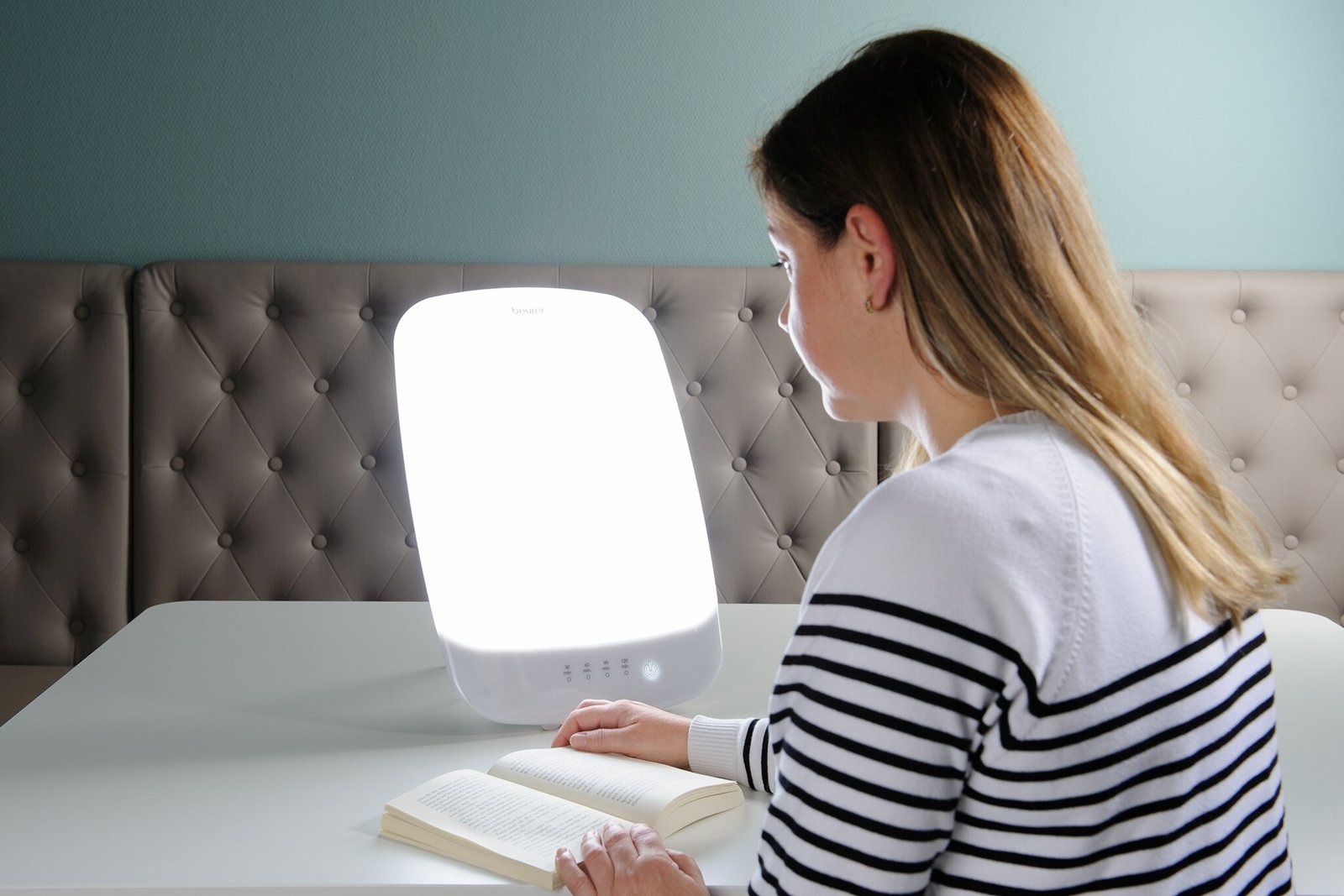
Light boxes (around £30–£100 from Amazon, Boots or specialist retailers) simulate bright daylight at about 10,000 lux. Used for 20–30 minutes each morning, they’ve shown genuine benefit for SAD in clinical trials. Look for one that’s medically certified, UV-filtered, and designed for SAD specifically — not a generic “happy lamp”. The charity Mind has a helpful overview of SAD treatments including light therapy, talking therapies and medication.
Move your body, protect your sleep
Exercise is one of the best-supported mood interventions full stop, and winter makes it easy to become completely sedentary. You don’t need a gym — a brisk daily walk counts double here because it delivers daylight too. As for sleep, SAD often brings oversleeping; keeping a consistent wake time (even on weekends) stabilises your body clock far better than weekend lie-ins. If falling asleep is the problem rather than oversleeping, our guide on falling asleep faster without sleeping pills covers the techniques that work.
Eat and drink with your mood in mind
The carb cravings of SAD are real, and the comfort-food spiral (heavy meals, more alcohol, less veg) genuinely worsens how you feel. Aim for regular meals with protein and fibre to steady your blood sugar, and keep alcohol moderate — it’s a depressant, whatever it feels like at the time. There’s also the vitamin D question: from October to March, UK sunlight is too weak for your skin to make enough, so the government recommends a daily 10-microgram supplement. It won’t cure SAD alone, but deficiency makes everything worse. A strong immune system matters in winter too, since being ill on top of low mood is miserable.
When to get professional help
Self-help goes a long way, but don’t tough it out if symptoms are significantly affecting your work, relationships or daily functioning. Your GP can discuss talking therapies like CBT (which has good evidence for SAD), and antidepressants where appropriate. The NHS page on seasonal affective disorder outlines the full range of treatments and when to seek them. There’s no prize for suffering in silence — and winter comes every year, so it’s worth building a proper plan now.
Light therapy boxes: what to buy and how to use one
If winter reliably flattens your mood, a light therapy box is the single most evidence-backed thing you can buy. Here’s the practical version of what the research says.
What to buy. Look for 10,000 lux, UV-filtered, from a known brand — Lumie, Beurer and Philips all make well-reviewed boxes in the £40–£90 range. The Lumie Vitamin L or Beurer TL30 are the usual recommendations. Avoid anything that doesn’t state its lux rating clearly, and skip “happy lamps” that are really just dim desk lights — 2,500 lux won’t do the job. Size matters less than brightness; a smaller box just means sitting closer.
How to use it. Sit 30–60cm away for 20–30 minutes each morning, ideally within an hour of waking, from October through March. You don’t stare into it — just have it in your peripheral vision while you eat breakfast or scroll your phone. Morning use matters because the mechanism is about telling your brain what time it is; evening use can shift your body clock the wrong way and wreck sleep.
What to expect. Most people notice a difference within 1–2 weeks of consistent daily use. It’s not a buzz or a high — more that the heaviness lifts slightly and mornings feel less like wading through treacle. Combine it with a morning walk and the effect compounds.
The caveats. Light therapy can trigger mania in people with bipolar disorder, so check with your GP first if that’s relevant. Mild headache or eye strain in the first few days is common and usually settles. And it treats the symptoms, not the cause — if low mood persists despite light, routine and exercise, that’s a GP conversation, not a lamp problem.
Dawn simulator alarm clocks (£30–£60, Lumie Bodyclock being the classic) are the gentler sibling — they wake you with gradually brightening light, which many people find kinder than a blaring alarm in pitch darkness. Some people use both.
Your takeaway: build your winter toolkit before you need it
Dealing with seasonal affective disorder in winter works best as prevention, not rescue. Daily daylight, a morning walk, a light box on your desk, steady sleep times, vitamin D from October, and honest conversations with your GP if it’s more than the blues. Start the habits in September and this winter might just feel like winter — not a personality change.