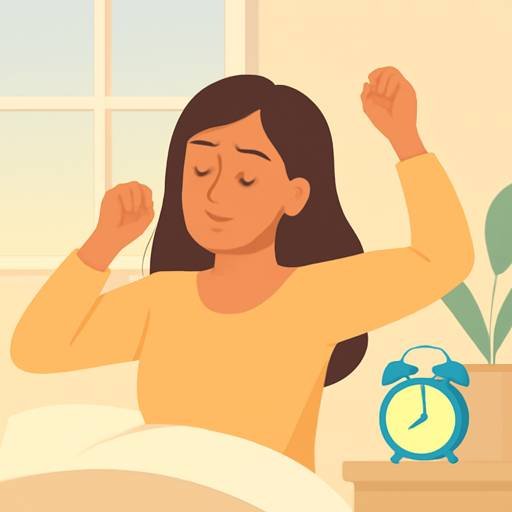
Learning how do I build a healthy morning routine that sticks is really a question about human psychology disguised as a productivity question — because everyone knows what a “good” morning looks like, and almost nobody sustains one. I’ve built and abandoned roughly a dozen morning routines over the years, from the 5am-club intensity to the “just don’t look at your phone” minimalism. The ones that stuck shared nothing in content and everything in design: they were small, anchored to existing habits, and forgiving of bad days. Here’s how to build one that survives contact with real life.
The core insight from behavioural science: routines stick through habit stacking and friction design, not willpower. Willpower is a terrible building material — it’s strong in January and gone by February. Design your routine so it barely needs willpower at all.
How do I build a healthy morning routine that sticks?
1. Start embarrassingly small
The number-one mistake is the overhaul: new diet, 5am alarm, meditation, journaling, workout — all starting Monday. This fails 95% of the time because each new behaviour costs willpower, and you’ve budgeted for one person’s worth while attempting five people’s worth of change. Instead: pick one morning habit. Just one. Do it for two weeks until it’s automatic, then add the next. The tortoise wins this race so reliably it’s almost unfair.
2. Stack onto existing anchors
Habits attach to existing behaviours far more reliably than to times. “Meditate at 7am” fails when you wake at 7:20; “meditate after I brush my teeth” works whenever you brush. Design your routine as a chain: after [existing habit], I will [new habit]. Examples:
- After I turn off the alarm → drink the glass of water on my nightstand
- After I brush my teeth → 5 minutes of stretching
- After I start the kettle → write 3 lines in a journal
- After breakfast → 10-minute walk
3. Design the environment, not yourself
- Phone: charge it outside the bedroom (alarm clock: £10). This single change transforms mornings more than any routine addition — no phone means no doomscrolling, no email, no reactive start.
- Prepare the night before: clothes laid out, bag packed, breakfast ingredients ready, workout gear visible. Morning-you has the willpower of a tired toddler; night-you is the responsible adult. Let night-you run the show.
- Make good behaviours easy and bad ones hard: running shoes by the door, book on the pillow, water bottle filled. Friction is the enemy of new habits and the friend of old ones — arrange it accordingly.
4. The components worth including (pick 2–3)
- Light: bright light within 30 minutes of waking — the master signal for your body clock. Open curtains, step outside, or use a light box in dark winters. (See our sleep guide — mornings start the night before.)
- Movement: 5–20 minutes — stretching, walking, bodyweight exercises. Not a workout necessarily; just telling your body the day has started.
- Hydration and breakfast: water first (you’re dehydrated after 8 hours), then a proper breakfast if you’re a breakfast person — porridge is hard to beat.
- Mindfulness: 5 minutes of meditation, journaling, or simply sitting with tea — a buffer between sleep and the day’s demands.
- Intention-setting: one minute identifying today’s top priority. Enormously clarifying for the organised day that follows.
5. Survive the bad days (this is where routines live or die)
You will miss days. The research is clear: missing once has no impact on habit formation; it’s the second miss — the “I’ve blown it” cascade — that kills routines. The rule: never miss twice. And have a minimum viable version: on terrible mornings, your routine is “water, light, one priority” — 3 minutes. Maintaining the chain, however thinly, preserves the identity (“I’m someone with a morning routine”) that sustains the habit long-term.
The evening routine: mornings are made the night before
Here’s the secret the 5am-club gurus don’t emphasise enough: a great morning starts the evening before. The highest-ROI morning-routine habit isn’t a morning habit at all — it’s the evening shutdown. Screens off 60 minutes before bed (the phone charges outside the bedroom — you did this on day one, right?), a quick review of tomorrow’s top three priorities, clothes and bag prepared, kitchen ready for breakfast. This 15-minute evening ritual does more for your mornings than any morning technique, because it removes every decision and obstacle before willpower is even required.
Sleep is the other half of the equation, and it’s non-negotiable: no morning routine survives chronic undersleep. If you’re building a 6am routine on five hours of sleep, you’re not optimising — you’re sleep-depriving with extra steps. Fix the bedtime first, then build the morning on top of adequate rest. The order matters enormously and almost everyone gets it backwards.
Think of it as a 24-hour cycle rather than a morning routine: evening (shutdown, prepare, wind down) → night (protect 7–9 hours fiercely) → morning (execute the simple routine night-you designed). Each phase serves the next. The NHS sleep guidance underpins all of it — because the unglamorous truth is that the world’s best morning routine is just adequate sleep plus ten minutes of intention. Everything else is optimisation on top of that foundation.
One more thing: review and evolve quarterly. Morning routines shouldn’t be static — your life changes, and the routine should change with it. Every three months, ask: what’s working? What’s become a chore? What does this season of life need? (Winter mornings differ from summer ones; busy periods differ from calm ones.) Drop what’s not serving you without guilt, add what the current season needs. The routine is a living system, not a monument. The people who maintain morning routines for years aren’t the most disciplined — they’re the most adaptable, evolving the routine as life evolves around it.
Your practical takeaway
Tonight: charge your phone outside the bedroom and put a glass of water by the bed. Tomorrow: pick ONE anchor habit (water after alarm-off is the classic starter) and do just that for two weeks. Then add one more. In two months you’ll have a genuine routine built on psychology rather than willpower — and unlike every January overhaul you’ve attempted, this one will still be standing in June. Small, stacked, forgiving: that’s the whole formula.