
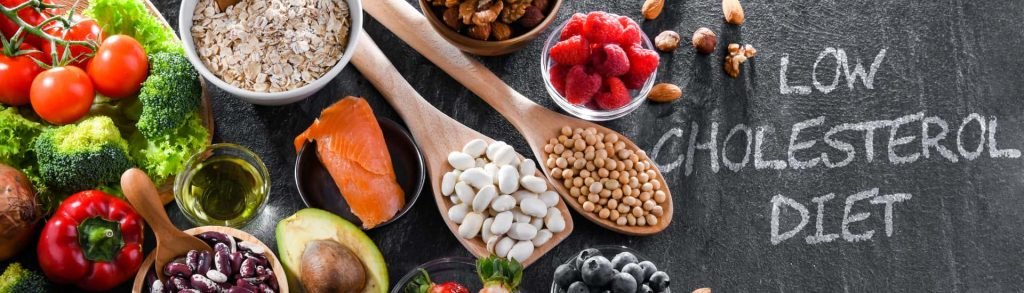
Knowing what should I eat to lower my cholesterol naturally is genuinely empowering, because diet is one of the most effective cholesterol interventions available — and unlike medication, it improves everything else too. Around half of UK adults have raised cholesterol, and most don’t know it (there are no symptoms — it’s found on blood tests). If your GP has mentioned your numbers are creeping up, the kitchen is your first pharmacy. Here’s what actually works, backed by proper evidence rather than superfood hype.
Quick primer: LDL (“bad”) cholesterol drives artery clogging; HDL (“good”) helps clear it. Diet primarily lowers LDL — which is exactly what you want. And the goal isn’t zero cholesterol (your body needs it) — it’s healthy levels, typically total cholesterol under 5 mmol/L for most UK adults.
What should I eat to lower my cholesterol naturally?
The proven cholesterol-lowering foods
- Oats and barley: the single best-evidenced food — the soluble fibre (beta-glucan) binds cholesterol in the gut. A daily bowl of porridge (about 3g beta-glucan) can lower LDL by 5–10%. The cheapest intervention on this list.
- Beans, lentils, and pulses: more soluble fibre plus plant protein. Swapping meat for beans a few times weekly does double duty — less saturated fat in, more fibre.
- Nuts: a small handful (30g) of almonds, walnuts, or peanuts daily lowers LDL. Walnuts add omega-3s too. Watch portions — they’re calorie-dense.
- Oily fish: salmon, mackerel, sardines, trout — twice weekly. The omega-3s lower triglycerides and support heart health generally (and they’re vitamin D sources too).
- Fruit and vegetables: the 5-a-day minimum, but more is better — each portion adds fibre and displaces worse choices. Aubergines, okra, apples, and citrus are particularly rich in soluble fibre.
- Soya foods: tofu, soya milk, edamame — modest but real LDL-lowering effect, and an easy swap for dairy.
- Plant sterol/stanol products: fortified spreads and yoghurt drinks (Benecol, Flora ProActiv) — the most potent dietary intervention, lowering LDL by 7–10% at 2g daily. Genuinely effective, though pricier.
What to cut back
- Saturated fat: the main dietary driver of LDL — fatty meats, butter, cheese, cream, pastries, and coconut/palm oil. UK guidance: under 30g daily for men, 20g for women. You don’t need to eliminate these; just demote them from staples to treats.
- Trans fats: largely removed from UK foods, but check labels on some pastries and fried foods.
- Ultra-processed foods: the pattern is clear — diets high in ultra-processed food correlate with worse cholesterol profiles, whatever the individual nutrients.
A day of cholesterol-lowering eating (UK practical)
Breakfast: porridge with berries and a spoonful of ground flaxseed. Lunch: lentil soup with wholegrain bread. Snack: a small handful of almonds and an apple. Dinner: grilled mackerel with roasted vegetables and brown rice. Nothing exotic, nothing expensive — just the pattern, consistently. For meal-planning help, our AI meal-planning guide makes this effortless.
Beyond diet: the multipliers
Diet works best combined with: exercise (raises HDL, lowers triglycerides — strength training and cardio both help); weight loss if overweight (even 5% helps); quitting smoking (raises HDL within weeks); and limiting alcohol. Together, lifestyle changes can lower LDL by 15–25% — comparable to a low-dose statin for many people.
When diet isn’t enough (be honest)
Genetics matter enormously — familial hypercholesterolaemia affects 1 in 250 Britons and needs medication regardless of diet. And some people’s cholesterol barely budges with lifestyle alone. There’s no shame in statins: they’re among the most effective, safest preventive medicines ever developed. The goal is healthy arteries, not ideological purity about “natural” approaches. Discuss your numbers and family history with your GP — the NHS cholesterol pages explain the thresholds.
Cholesterol myths worth leaving behind
Few health topics attract more nonsense than cholesterol, so let’s clear the decks. “Eggs are bad for cholesterol”: dietary cholesterol (in eggs, prawns) has surprisingly little effect on blood cholesterol for most people — it’s saturated fat that matters. Eggs are fine for most people in normal quantities. “Thin people don’t have high cholesterol”: genetics don’t check your waistline; slim people can have high cholesterol and need testing too. “Coconut oil is healthy”: it’s 90% saturated fat — worse than butter for LDL. The health halo is marketing, not science.
“You can feel high cholesterol”: you can’t — no symptoms until damage is done, which is why testing matters. In England, the NHS Health Check (ages 40–74) includes cholesterol testing; take the invitation when it comes. “Statins are dangerous”: the nocebo effect is real (people expecting side effects report them), but large trials show statins are well-tolerated by the vast majority, and the cardiovascular benefits are enormous. Discuss concerns with your GP or pharmacist rather than Dr Google. “Natural is always safer”: red yeast rice “naturally” contains the same compound as lovastatin — natural doesn’t mean risk-free or side-effect-free.
The through-line: cholesterol management works best as informed partnership with your GP — testing to know your numbers, lifestyle changes as the foundation, medication where indicated, and scepticism toward anyone selling certainty (whether that’s “never take statins” or “diet alone fixes everything”). Your arteries don’t care about ideology; they care about LDL levels. Get tested, know your numbers, act accordingly.
One more food group worth highlighting: fermented foods and gut health. The emerging research on the gut-heart axis suggests that a healthy gut microbiome supports healthy cholesterol metabolism — and fermented foods (live yoghurt, kefir, kimchi, sauerkraut) are the most direct way to support it. The evidence is still developing (this isn’t as solid as the oats data), but the downside is nil and the upside is plausible — plus they’re delicious. Add one fermented food to your daily routine and you’re supporting your gut, your immunity, and potentially your cholesterol in a single habit. That’s the kind of multi-win that makes healthy eating sustainable: one change, several benefits, zero deprivation.
Your practical takeaway
This week: switch to daily porridge, add a handful of nuts, swap one meat meal for beans or lentils, and check your saturated-fat intake against the 20/30g guideline. Recheck your cholesterol after 3 months of consistent changes. If diet and lifestyle don’t move the numbers enough — especially with family history — talk to your GP about medication without guilt. Food is powerful medicine, but it’s not the only medicine, and the smartest approach uses every effective tool.


