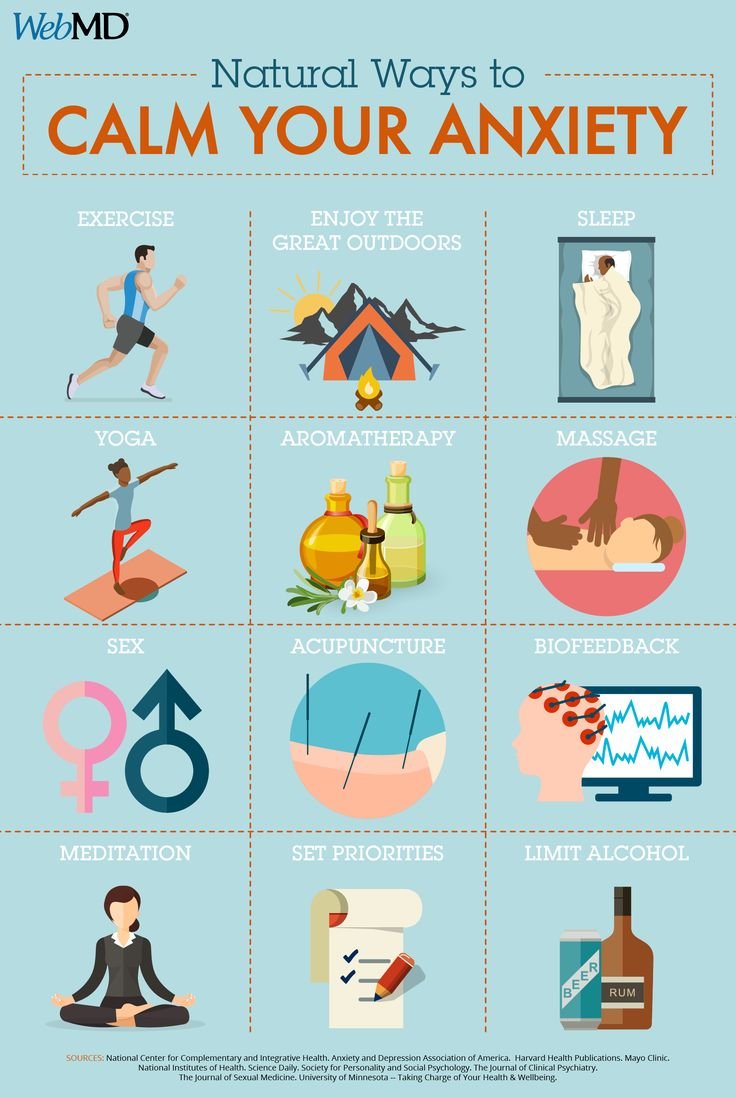
Learning how can I reduce anxiety without taking medication is something millions of Britons are actively seeking — anxiety is among the most common mental health conditions in the UK, and while medication helps many people (no shame in it whatsoever), plenty want to try other approaches first or alongside. I’ve managed my own anxiety for years with a toolkit that’s entirely non-pharmaceutical, and I’m not going to pretend it’s as simple as “just breathe” — but the evidence for these approaches is genuinely strong, and they’re worth trying properly before concluding they don’t work for you.
Important framing: severe anxiety, panic disorder, and anxiety that’s stopping you functioning deserve professional help — your GP, NHS talking therapies (self-referral available across England), or the crisis lines (Samaritans 116 123). These techniques complement professional care; they don’t replace it when it’s needed.
How can I reduce anxiety without taking medication?
1. The physiological levers (fastest-acting)
Anxiety is physical before it’s mental — racing heart, shallow breathing, muscle tension. Intervening at the body level works fastest:
- Extended-exhale breathing: breathe in for 4 counts, out for 6–8. The long exhale activates the parasympathetic nervous system directly — this isn’t mysticism, it’s vagus-nerve physiology. Two minutes genuinely shifts your state.
- Exercise: the single best-studied non-drug intervention for anxiety. 30 minutes of brisk walking measurably reduces anxiety sensitivity, and the effect compounds with regularity. It doesn’t have to be intense — consistency beats intensity.
- Cold exposure: splashing cold water on your face triggers the dive reflex, slowing heart rate rapidly. Odd but effective for acute panic moments.
- Progressive muscle relaxation: tensing and releasing muscle groups systematically — particularly good for the physical tension anxiety stores in shoulders, jaw, and stomach.
2. The cognitive tools (rewiring the worry)
- Worry scheduling: give anxiety a 15-minute daily appointment. When worries intrude outside it, note them down and defer. It sounds absurd; studies show it works — worry is habitual, and habits respond to scheduling.
- Cognitive defusion: instead of “I’m going to fail”, try “I’m having the thought that I’m going to fail”. That tiny linguistic distance breaks the fusion between you and the thought.
- Worst-case planning: anxiety thrives on vagueness. Write down the actual worst case, its realistic probability, and what you’d do. Concrete plans dissolve vague dread.
- Limit reassurance-seeking: Googling symptoms or asking for reassurance feels relieving but trains the anxiety cycle. Notice the urge; don’t always obey it.
3. The lifestyle foundations
- Sleep: anxiety and poor sleep are a vicious cycle — each worsens the other. Fixing sleep is fixing anxiety’s fuel supply. See our sleep guide.
- Caffeine and alcohol: caffeine mimics anxiety physiologically (racing heart, jitters) — cutting back is often transformative. Alcohol relieves anxiety for hours then rebounds it worse — the most misunderstood anxiety trap.
- Regular rhythm: meals, sleep, movement at consistent times. Anxious brains calm down with predictability.
4. Connection and meaning
Loneliness and anxiety travel together. Regular contact with people who know you — not performance socialising, but genuine connection — is protective in ways that’s hard to overstate. And purposeful activity (volunteering, creating, helping) shifts attention outward, which is where anxious attention desperately needs to go. Our morning routine guide includes structure that helps here.
The NHS Every Mind Matters site offers a personalised action plan, and Mind has excellent resources on anxiety management techniques.
When anxiety needs more than self-help
Everything in this guide works best for mild-to-moderate anxiety. But some anxiety needs professional support, and recognising the difference is itself a skill. Seek professional help if: anxiety is significantly impairing your work, relationships, or daily functioning; you’re having panic attacks; you’re avoiding important parts of life; self-help strategies haven’t helped after a few weeks of genuine effort; or you’re using alcohol or other substances to cope. These aren’t failures of willpower — they’re signals that the condition exceeds what self-management can address.
The good news: anxiety is among the most treatable of all mental health conditions. NHS talking therapies (self-referral available across England, free) offer CBT specifically designed for anxiety disorders — with strong evidence and no waiting for a GP referral in most areas. Private therapy is an option if you can afford it and want faster access. Medication (typically SSRIs) helps many people significantly — the decision is between you and your GP, not a moral judgement. And for acute crisis moments: Samaritans 116 123 (free, 24/7), text SHOUT to 85258.
The most important message: getting help is the strong move, not the weak one. Anxiety whispers that you’re broken, that others cope fine, that asking for help is shameful — every part of that is the illness talking, not reality. Millions of Britons have walked the path from struggling to managing well, via exactly these routes. You don’t need to white-knuckle it alone, and you don’t need to wait until things are desperate. Earlier help means easier recovery — that’s true of anxiety as of everything else in medicine.
One more technique with strong evidence: journaling for anxiety — specifically, expressive writing about worries. The research (notably James Pennebaker’s work) shows that writing about anxious thoughts for 15–20 minutes reduces their emotional charge and frees up working memory — literally, the worries take up less mental RAM once externalised. The key is expressive writing (honest, emotional, unstructured), not gratitude lists or planning. Do it when anxiety peaks, not on a schedule. And it pairs beautifully with the worry-scheduling technique: the 15-minute worry appointment is a journaling session. Externalise it, examine it, then close the notebook and get on with your day.
Your practical takeaway
Today: try the 4-8 breathing for two minutes and take a 20-minute walk — notice the shift. This week: set a caffeine curfew, schedule a daily 15-minute worry appointment, and fix one sleep habit. This month: build the exercise habit to 3–4 sessions weekly and assess honestly whether professional support would help too — there’s no prize for white-knuckling it alone. Anxiety is highly treatable, with or without medication, but it responds to consistent practice, not one-off attempts. Start small, stay consistent, and be as kind to yourself as you’d be to a friend.