Discovering can ai help me write a complaint letter that gets results is one of those practical AI uses that pays off immediately — because most complaint letters fail, and they fail for predictable reasons. They’re too emotional, too long, vague about what they want, or sent to the wrong place. I’ve helped friends rewrite complaints with AI assistance, and the pattern is striking: the same legitimate grievance, expressed clearly and strategically, gets refunds and resolutions where the original rant got ignored.
Here’s the psychology: the person reading your complaint handles dozens a day. They’re human, they’re busy, and they respond to complaints that make resolution easy — clear facts, clear ask, clear escalation path. AI is excellent at turning your frustration into exactly that.
Can AI help me write a complaint letter that gets results?
Yes — here’s the formula that works
Give the AI the raw material and the strategy. A prompt like:
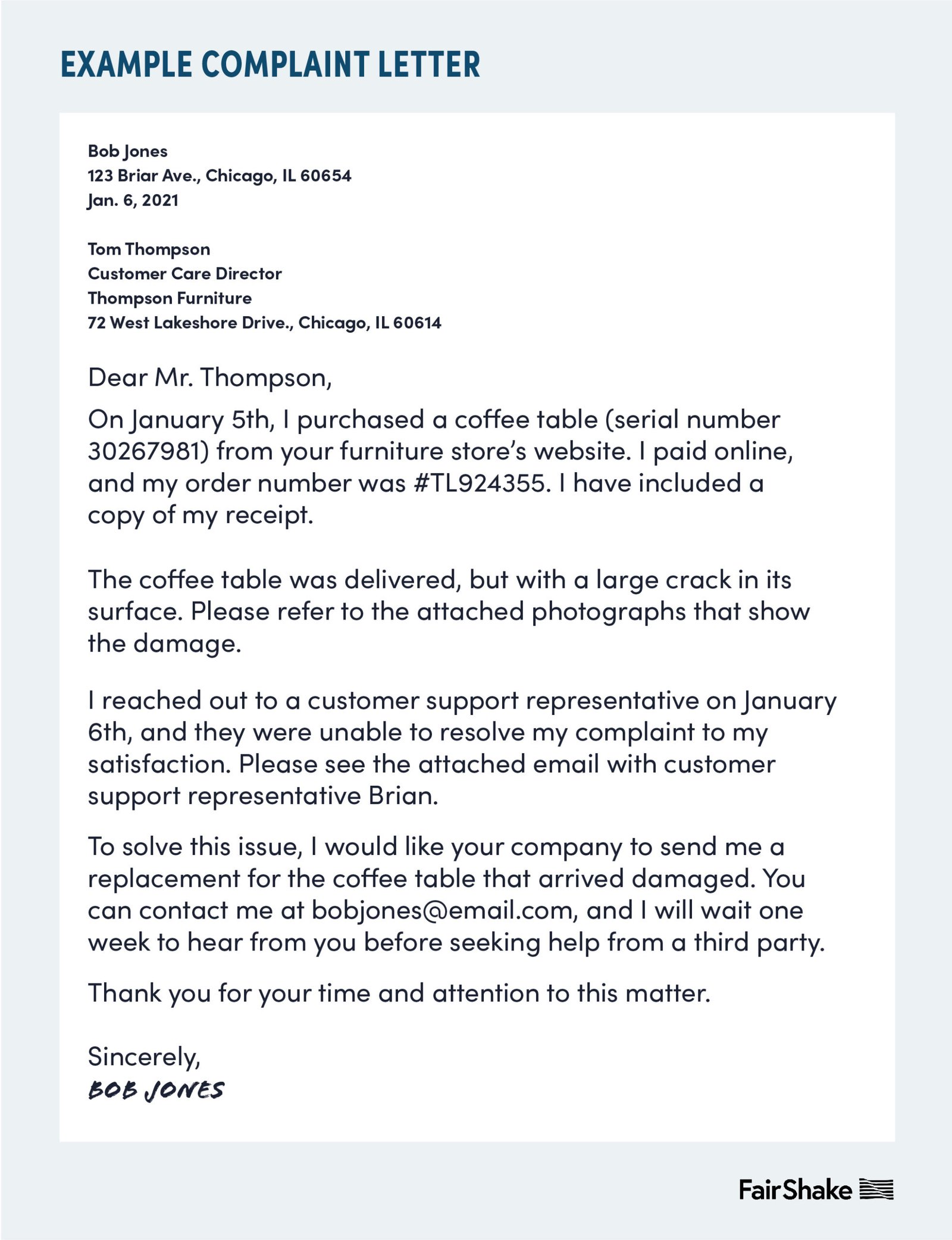
“Write a formal complaint letter to [company]. Facts: I bought [product/service] on [date] for [£amount]. Problem: [what went wrong, with dates]. I’ve already tried [what you did]. I want [specific resolution: refund/replacement/compensation of £X]. Tone: firm and professional, not angry. Reference my rights under the Consumer Rights Act 2015. Keep it under 300 words.”
The elements that make complaints succeed:
- Specific facts, not feelings: dates, amounts, reference numbers, names. “On 14th March” beats “recently”; “£349” beats “a lot of money”.
- A clear, reasonable ask: “I want a full refund of £349 within 14 days” works. “I want justice” doesn’t. Make the resolution so clear that saying yes is easy.
- Legal grounding: referencing the Consumer Rights Act 2015 (faulty goods: 30-day right to reject, repair/replace rights up to 6 years) or the Consumer Contracts Regulations shows you know your rights. AI drafts this well — but verify the specifics.
- The escalation ladder: “If unresolved within 14 days, I will escalate to [ombudsman/trading standards/chargeback].” Named, credible escalation motivates action. Don’t bluff — know the actual route.
- Professional tone: firm but courteous outperforms furious every time. The reader should think “this person will persist” not “this person is unhinged”.
Know your actual rights (UK)
AI can draft the letter, but you should know the substance:
- Faulty goods: 30 days to reject for a full refund; up to 6 years to claim repair/replacement (burden of proof shifts to you after 6 months). Which? has excellent template letters and rights guides.
- Services: must be performed with reasonable care and skill; you’re entitled to a repeat or price reduction.
- Section 75: credit card purchases £100–£30,000 — the card company is jointly liable. Mentioning this focuses minds wonderfully.
- Ombudsmen: energy, telecoms, finance, and others have free ombudsman schemes — but you must complain to the company first and give them 8 weeks (usually).
- Chargebacks: debit card purchases can be reversed via your bank for undelivered/faulty goods.
The process around the letter
Send complaints in writing (email is fine) to create a paper trail. Keep copies of everything. Set a calendar reminder for your deadline. If the response is inadequate, escalate calmly up the chain — CEO email addresses are often findable, and executive complaint teams resolve things frontline staff can’t. And document phone calls with a follow-up email: “confirming what we agreed…” Our prompt-writing guide helps you get better drafts from AI for all of this.
Escalation routes: when the company won’t budge
Sometimes the letter doesn’t work — the company ignores you, rejects your claim, or offers a derisory gesture. This is where knowing the escalation routes matters, because each one changes the company’s calculus. Ombudsmen: for energy, telecoms, finance, property, and several other sectors, free ombudsman schemes can award binding compensation — but you must usually give the company 8 weeks to resolve it first, and you need your paper trail in order. Mention the ombudsman by name in your final letter; companies track ombudsman referral rates and work to keep them low.
Section 75 and chargeback: for purchases on credit cards (£100–£30,000), Section 75 of the Consumer Credit Act makes your card provider jointly liable — write to them with your evidence, and they must investigate. For debit cards, the chargeback scheme (via your bank) reverses transactions for undelivered or faulty goods. These are powerful because you’re no longer asking the company — you’re invoking a third party with leverage. Trading Standards: report via Citizens Advice; they won’t resolve your individual case, but patterns of complaints trigger investigations.
Small claims court: for amounts up to £10,000, the Money Claims Online process is designed for non-lawyers — and as our guide to recovering unpaid invoices explains, the mere filing of court papers resolves most disputes. The same psychology applies to consumer claims: a company ignoring your letters will pay attention to a court claim. And throughout, keep everything in writing, keep copies, and keep your tone professional — the reasonable, persistent complainant with a paper trail almost always prevails eventually.
One more route people forget: social media escalation. Companies monitor their public mentions closely, and a calm, factual public complaint often gets faster resolution than months of private emails. Keep it factual, tag the company, and avoid anything defamatory — “here’s what happened, here’s what I want” is powerful; ranting undermines you. Used judiciously, it’s the modern equivalent of complaining loudly in the shop — except the whole internet is watching.
One more route that surprises people: the power of the paper trail in your favour. Throughout any complaint, you’re building a case file — and a well-documented case file has value beyond the immediate dispute. If the issue is systemic (a product fault affecting many, a misleading practice), your documentation contributes to collective action: consumer journalists, regulatory investigations, and group claims all start with individuals who kept records. Report patterns to Trading Standards via Citizens Advice even after your own case resolves — your closed complaint could be the data point that triggers wider enforcement. Complaining well isn’t just self-interest; it’s consumer citizenship.
Your practical takeaway
For your next complaint: gather the facts (dates, amounts, reference numbers), decide your specific ask, check your actual rights on Which? or Citizens Advice, then have AI draft the letter using the formula above — and edit it into your voice before sending. Set the escalation deadline in your calendar. The combination of AI-drafted clarity and your real knowledge of your rights turns complaining from an emotional ordeal into an administrative process. And administrative processes get results.