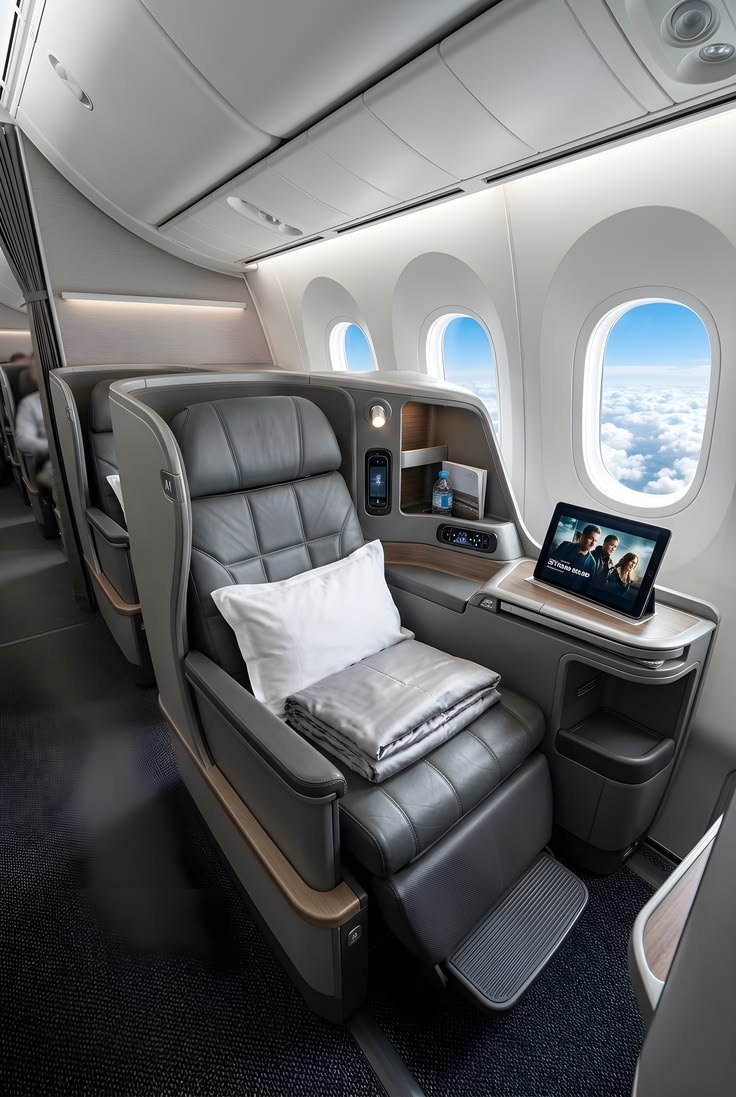
Everyone has a fantasy of the golden ticket moment: the gate agent smiles, prints a new boarding pass, and you’re sipping champagne in business class. When people ask how can I get upgraded on a long haul flight, I have to be honest first — free upgrades are rarer than they used to be, and most go to elite frequent flyers. But your odds aren’t zero, and there are legitimate ways to fly up front for far less than the sticker price.
I’ve been upgraded twice for free, bought my way up cheaply several times, and learned exactly which levers matter. Here’s the realistic playbook, from loyalty strategy to the bid systems most passengers ignore.
How can I get upgraded on a long haul flight? Loyalty is the main lever
Airlines upgrade in a strict pecking order, and at the top sit their most loyal customers. British Airways upgrades Executive Club Gold members first, then Silver, then Bronze — and only then, if seats remain, anyone else. The practical takeaway: concentrate your flying on one airline alliance rather than chasing the cheapest fare each time. Five long-haul returns on BA will do more for your upgrade chances than ten scattered across different carriers.
Status aside, the fare you bought matters enormously. Passengers on flexible economy tickets outrank those on the cheapest non-changeable fares in almost every airline’s system. If you’re choosing between two similar prices, the slightly pricier flexible fare isn’t just about changes — it’s quietly a better lottery ticket. Solo travellers also beat couples and families: there’s often one spare business seat, rarely four together. And check in early but not too early — some airlines process upgrades at the gate, where being present, polite and well-dressed genuinely helps.
- Concentrate flying on one airline/alliance to build status
- Buy flexible economy over the cheapest fare when prices are close
- Travel solo — single spare seats are far more common
- Dress smartly; gate agents notice
- Be unfailingly polite to every member of staff you meet
- Fly off-peak: Tuesday and Wednesday flights have emptier premium cabins
Bid for an upgrade: the secret most passengers miss
Most major airlines now run formal upgrade bidding or instant-upgrade offers, and this is where the real value is. After booking, check your reservation on the airline’s site or app for ‘bid for an upgrade’ or ‘upgrade offers’ — BA, Virgin Atlantic, Emirates, Qatar and most others offer it. You name your price for business or premium economy, and if the cabin isn’t selling, you can win for a fraction of the fare difference. I’ve seen London–New York business upgrades go for £350 on a quiet Tuesday.
The strategy: bid slightly above the minimum, typically 30–40% of the fare difference between your ticket and business class. Bids usually close 24–72 hours before departure, and you’ll only be charged if you win. Even better, watch for instant cash upgrade offers at online check-in — airlines would rather sell a business seat for £400 than fly it empty, and these offers appear in the 24 hours before departure when load planning is finalised.
Points, vouchers and the premium economy trick
If you collect Avios, Amex Membership Rewards or Virgin Points, upgrades are often the best-value redemption going. Upgrading a paid economy ticket to business with Avios on BA typically costs far fewer points than buying the business seat outright — and you still earn tier points on the underlying cash fare. The Amex companion vouchers (the famous ‘2-for-1’) can be applied to Avios upgrades too, which is how savvy travellers fly business for economy-plus-points prices.
Here’s my favourite pragmatic move: buy premium economy instead of playing the upgrade lottery. On many airlines it’s 50–70% cheaper than business, the seat and food are genuinely decent, and — this is the key — it’s far easier and cheaper to upgrade from premium economy to business than from economy. A £200 bid from premium economy often succeeds where a £500 bid from economy fails, because you’re already halfway up the hierarchy.
Mistakes that kill your upgrade chances
The fastest way to guarantee no upgrade: booking the absolute cheapest fare class. Airlines’ systems rank by fare paid within each status tier, so the £280 consolidator special sits below every other passenger when upgrades are allocated — and some deep-discount fares are explicitly excluded from upgrades entirely, including with points. If upgrades matter to you, check the fare’s upgrade eligibility before booking; the £50 saving on a restricted fare can cost you a £1,500 business seat.
Other self-sabotage: not joining the loyalty programme (you can’t be upgraded in a system you’re not in — join before you fly, it’s free), splitting a booking across alliances (status requires concentration), checking in at the last minute (upgrades are often processed 2–4 hours before departure; late check-in means you’ve missed the window), and — the classic — being rude to staff. Gate agents have genuine discretion in edge cases, and they exercise it for pleasant passengers. The upgrade game rewards the organised, the loyal, and the polite. Be all three.
- Cheapest fare classes are often upgrade-ineligible — check before booking
- Join the loyalty programme before you fly (it’s free)
- Concentrate flying on one alliance for status
- Check in early — upgrades process hours before departure
- Be unfailingly polite; gate agents have discretion
- Don’t split bookings across carriers chasing £20 savings
Your upgrade game plan
Join one loyalty programme and stick to it, always check for bid and cash upgrade offers after booking, consider premium economy as your launchpad, and fly midweek when premium cabins are emptiest. Free upgrades are luck; cheap upgrades are strategy.
For surviving the flight itself whatever cabin you’re in, make a long flight more comfortable in economy class is essential reading, and pack for a long haul flight in economy covers packing for long haul. For independent reviews of premium cabins, Which? travel guides is worth checking before you bid.
A final honest note: the golden age of the free surprise upgrade is largely over — airlines now monetise every spare premium seat through bids and cash offers. But that shift is actually good news for the strategic traveller: the upgrade is no longer pure luck, it’s a market. Learn the systems, bid smartly, and you’ll fly business for a fraction of the sticker price several times a year.