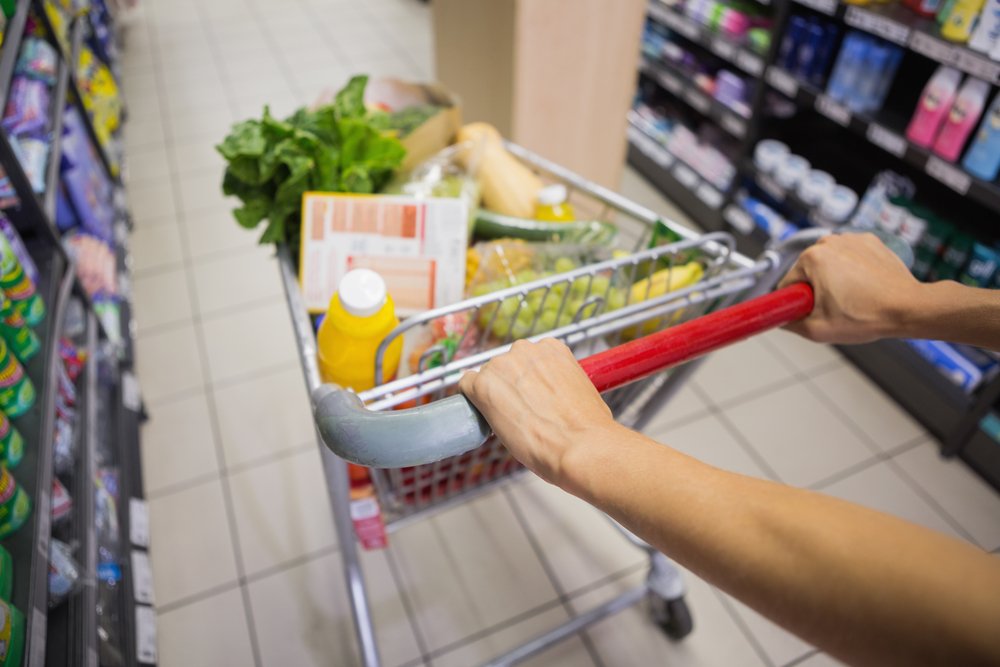
The weekly grocery shop rewards households that arrive with a plan, because unplanned extras quietly undo the best intentions. Saving money each week on groceries in the UK is rarely about one dramatic trick. It is about a set of ordinary options, compared honestly and then combined. Plan meals around what is already at home. Test own brand swaps gradually. Split the shop between discounters and larger stores where that suits your routes. Read unit prices rather than headline offers. Freeze and store food so it is used rather than wasted, and handle the expensive categories, meat, treats and out of season produce, as deliberate choices. There is a natural overlap with eating healthily on a tight budget in the UK, because planning, cooking from basics and wasting less tend to improve the shopping basket’s health at the same time as its cost.
Planning meals around what is already at home
The cheapest ingredient is the one already paid for. Planning the week by opening the fridge, freezer and cupboards first, then building meals around what is there, reverses the usual order in which a list is written from cravings and the existing stock quietly expires. A household that knows it holds half a bag of rice, tinned tomatoes, frozen mince and carrots on the turn is already most of the way to several dinners before spending anything. A simple running note of staples, kept on the fridge or a phone, prevents both waste and the duplicate buying that fills cupboards with a fourth jar of the same spice.
Meal planning does not require a rigid menu nailed to the week. A looser pattern serves most households better, a rough rhythm of pasta night, curry night, roast or tray bake, soup from leftovers, and one flexible night that absorbs whatever remains. Shop once for that pattern, with a list written from it, and the midweek top up shops that bleed money in small amounts largely disappear. The list itself is a money saving instrument. Shops entered with a list and a rough idea of the total are shops where the trolley stays honest.
The con to weigh is time and tolerance. Planning takes a quarter of an hour of thought, and some households find a set pattern dull. The answer is flexibility within the plan, two or three meals that can swap days, freedom to replace an ingredient with what is reduced or in season, and one completely unplanned meal a week for those who need the release valve. A plan that bends survives. A plan that demands obedience is abandoned by the second week, taking its savings with it.
Testing own brand swaps one shelf at a time
Own brand ranges are where the quiet, permanent savings live. Supermarkets tier them from the plainest value lines to premium own brand, and the tiers differ hugely in quality, which is why the testing method matters. Swap one shelf at a time, tinned goods first, where the difference between brands is often undetectable in a cooked dish, then pasta, rice and basic cereals, then cleaning and household staples, which carry no taste risk at all. Keep a note of what passed and what failed. The household that tests rather than assumes usually finds that a large share of its basket can move down a tier permanently.
A large share of household food waste is avoidable through planning, storage and using leftovers, according to the British charity WRAP, which works on environmental issues, and own brand testing contributes in an unexpected way, because cheaper staples lower the cost of cooking from scratch, which lowers waste in turn. The reading collected under food waste in the United Kingdom and its scale underlines how much of the national food bill is thrown away, and a household that buys plainly and cooks flexibly throws away less almost by design.
Splitting the shop between discounters and larger stores
The discounters changed British grocery pricing permanently, and the background to Aldi and the discounter model in Britain explains the model, a narrower range, own brands almost throughout, and low prices on staples as the everyday position rather than a promotion. For many households the discounter basket covers the bulk of the weekly shop, fruit, vegetables, dairy, meat, bread and store cupboard goods, at prices the larger stores match only on selected lines. Loyalty pricing at the big supermarkets narrows the gap on some items, and their ranges cover the specialist goods the discounters do not stock.
Splitting the shop uses both. The main shop happens where the staples are cheapest for your household, and a smaller, list driven visit to a larger store covers the exceptions, particular brands, specialist ingredients, and items where a loyalty price on the day beats the discounter. The trap is duplication of effort and temptation. Two shops entered without lists are worse than one. Two shops entered with one combined list, split by store, are a system.
Travel and time belong in the calculation. A discounter across town saves little once fuel, parking and an hour are counted at any honest rate, while one on an existing route saves every week. Online delivery from a larger store can beat both for households whose weakness is impulse buying in aisles, since a basket built at a screen holds no checkout temptations, though delivery charges and minimum baskets must be weighed. MoneyHelper is a free money guidance service backed by the government covering everyday topics including food shopping, and its broad advice on budgeting the food shop points the same way, know your routes, know your prices, and let the system fit your life rather than an idealised one.
Reading unit prices instead of headline offers
Headline offers are designed to be read quickly and believed. Unit prices are designed to be compared, and they reward the slower reader. Supermarket shelf edge labels in the United Kingdom show unit pricing, such as cost by weight or volume, so shoppers can compare value across pack sizes. The big pack is usually cheaper per unit and sometimes is not. Promoted packs can be smaller than they look, multipacks can cost more per item than singles on offer, and the own brand beside the famous offer often beats it without any banner at all. Reading the small line under the big number is the whole skill.
A practical habit is to learn your household’s anchor prices, the unit price you usually pay for the staples you buy every week, milk, bread, eggs, rice, pasta, cheese, chicken and a few others. With even a rough sense of those figures held in memory, a genuine bargain announces itself and a theatrical one is exposed, in any store, without a calculator. Offers then become what they should be, opportunities to stock up on non perishables and freezable goods you would buy anyway at a price below your anchor, rather than invitations to buy new things.
Freezing, storing and using up before food spoils
Waste is the hidden grocery bill, the second shop nobody remembers making. Better storage begins with placement. Cooked and raw foods separated in the fridge, older items brought to the front, herbs and salads given air and a dry paper layer, bread frozen in usable portions rather than left to stale — small placements decide what gets eaten. The freezer is the great extender. Bread, milk, cheese, cooked rice, sauces, soups and raw meat all freeze well, and a freezer treated as a pause button rather than a graveyard converts gluts and bargains into future meals.
Freezing technique decides quality. Portion food before freezing so only what is needed is thawed. Flatten sauces and soups in bags so they stack and thaw quickly. Label everything with contents and the month it went in, since unlabelled frozen blocks breed hesitation and eventual waste. A weekly freezer and fridge audit, folded into the meal planning moment, sends the oldest items into the coming week’s menu while they are still good, closing the loop that planning opened.
The leftover habit completes the section. Cooked extra rice becomes fried rice. A roast becomes sandwiches, then soup from the bones and scraps. Vegetables on the turn become a tray bake, a curry or a blended soup with the oldest rescued first. None of this requires enthusiasm for austerity. It requires a household story in which using food up is normal cooking, and it returns real money, because every meal built from what exists is a meal not bought twice.
Meat, treats and seasonal produce handled deliberately
Some categories decide the weekly total more than everything else combined. Meat is usually the dearest, so handling it deliberately yields the largest single saving. Fewer meat meals in the week, with pulses, eggs and cheese carrying some dinners, is the traditional lever, and cheaper cuts cooked slowly, mince stretched with lentils or grated vegetables, and a whole chicken used across several meals all compound it. Quality can rise as quantity falls, many households find that better meat eaten less often costs the same as ordinary meat eaten constantly, and satisfies more.
Treats deserve a budget rather than a ban. A planned amount for the biscuits, chocolate, crisps and drinks that a household enjoys, bought with the main shop at the best unit price, ends the drip of small expensive purchases through the week and keeps the treats pleasurable rather than guilty. Seasonal produce is the joyful lever in the whole system. Fruit and vegetables in their British season are cheaper, fresher and better tasting, while out of season imports carry their travel in the price. A household that eats with the seasons gets variety for free across the year, strawberries in summer and roots in winter, instead of paying a premium to eat identically in every month.
The recommendation, gathering the options together, is to adopt the system in layers rather than all at once. Start with the list and the stock first plan, which cost nothing. Add own brand testing on one shelf, and unit price reading on the staples. Split the shop only if geography favours it. Build the freezing and leftovers rhythm last, since it grows naturally from planning. Reviewed after a couple of months, most households find the saving settled into the weekly routine without any sense of deprivation, which is the test every money saving method should have to pass. Saving that feels like losing rarely lasts. Saving that feels like competence becomes permanent.