
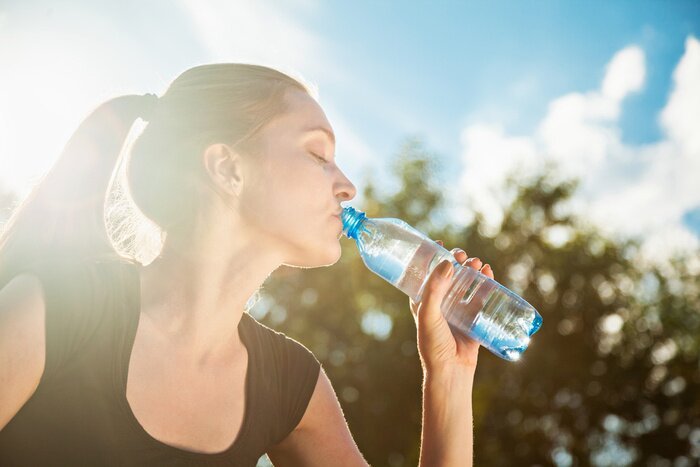
When the temperature hits 30°C and your flat turns into a greenhouse, hydration stops being a wellness nicety and becomes a genuine health issue. The UK’s heatwaves are getting hotter and more frequent — the Met Office recorded 40.3°C in 2022 — and every hot spell brings a spike in heat-related illness. Knowing the best ways to stay hydrated during a heatwave isn’t just about comfort; for older people, young children and anyone with health conditions, it’s about safety.
Your body cools itself by sweating, and in extreme heat you can lose over a litre of fluid per hour. Replace it proactively — by the time you feel thirsty, you’re already behind. Here’s the full playbook.
How much should you drink in a heatwave?
Forget the standard 2 litres — in a heatwave, most adults need 2.5–3.5 litres of fluid daily, more if you’re active, working outdoors, or sweating heavily. But “drink more” is useless advice without a system:
- Front-load the day. Drink 500ml within an hour of waking. You lose significant fluid overnight, and starting the day hydrated gives you a buffer.
- Drink on schedule, not thirst. A glass every hour you’re awake. Set phone reminders if you need to — thirst lags behind actual need, especially in older adults.
- Keep water visible. A bottle on your desk, one by the sofa, one by the bed. Out of sight genuinely means out of mind.
- Check your urine. Pale straw = good. Dark yellow = drink more now. The signs of dehydration are worth memorising before the hot weather arrives.
The best ways to stay hydrated during a heatwave: what to drink
- Water first, obviously. UK tap water is safe and free — keep a jug in the fridge so it’s always cold and appealing.
- Add electrolytes when sweating heavily. Water alone doesn’t replace lost salts. Oral rehydration sachets (£3–£4 from any pharmacy), sports drinks, or even a pinch of salt and a squeeze of lemon in water do the job. Coconut water works too, though it’s pricier.
- Eat your water. Cucumber (96% water), watermelon, strawberries, oranges, lettuce, and soups all count significantly. A big watermelon is basically a hydration device that tastes like summer.
- Milk is surprisingly effective. Research shows milk hydrates as well as or better than water, thanks to its electrolytes and protein slowing absorption.
- Herbal teas and diluted squash count. If plain water bores you, flavour it — the best drink is the one you’ll actually drink.
What to limit
Alcohol is the big one — it’s a diuretic, and a day of beers in the sun is the classic route to heat illness. If you drink, alternate every alcoholic drink with water. Caffeine in normal amounts (2–3 cups) is fine — the diuretic effect is mild and offset by the fluid — but don’t rely on espresso as your main fluid source. Very sugary drinks can worsen dehydration; dilute them.
Cooling strategies that reduce fluid loss
Hydration is half the equation; reducing sweat loss is the other half:
- Stay out of the 11am–3pm sun. The hottest hours are when fluid loss peaks. Shift exercise and errands to morning or evening.
- Cool your skin. Cold flannels on neck and wrists, cool showers, damp sheets at night. Less sweating = less fluid to replace.
- Ventilate smartly. Open windows on the shaded side, close curtains on the sunny side. A fan with a bowl of ice in front of it is a surprisingly effective poor-man’s air con.
- Wear loose, light clothing and a hat outdoors.
- Check on vulnerable people. Older neighbours, young children and people with heart or kidney conditions are at highest risk. The NHS heatwave health guide has the full official advice, and the Met Office issues heat-health alerts worth watching.
Know the warning signs
Heat exhaustion: headache, dizziness, excessive sweating, nausea, cramps, fast pulse. Move somewhere cool, lie down with feet raised, drink water or rehydration drinks, cool the skin. It usually resolves in 30 minutes. Heatstroke is the emergency: hot, dry skin (stopped sweating), confusion, seizures, temperature above 40°C — call 999 immediately and cool the person aggressively while waiting. Don’t wait to see if it passes.
Heatwave hydration: the hour-by-hour playbook
General advice (“drink more water”) isn’t enough when the UK hits 35°C+ and your flat becomes an oven. Here’s a practical schedule for extreme heat days.
Morning (before 10am): front-load fluids. A large glass of water on waking, then steady drinking through the morning — this is when to build your reserve, because afternoon heat suppresses appetite and thirst cues get unreliable. Eat water-rich breakfast: melon, yoghurt, porridge made with extra milk. If you’re working, freeze a bottle overnight — it’ll melt through the day and stay cold.
Midday (11am–3pm): the danger window. Stay out of direct sun; this is when heat exhaustion cases spike. Drink before you’re thirsty — set a phone reminder every 30 minutes if you’re outdoors or in a hot workplace. Add electrolytes if you’re sweating heavily: a proper rehydration sachet, or water plus a salty snack. Plain water alone, in large volumes during heavy sweating, can dilute blood sodium — the snack matters.
Afternoon (3–6pm): indoor temperatures peak later than outdoor ones — your flat is hottest around 5pm. Cool shower or cold flannels on neck and wrists; these cool you faster than drinking alone. Keep drinking steadily. Check on elderly neighbours and relatives — this is when the vulnerable get into trouble, often silently.
Evening: don’t try to “catch up” with a litre at 9pm — you’ll just be up all night. Taper drinking two hours before bed, but keep water by the bed. Eat a proper dinner with salt; you’ve lost more than you think. A cool (not freezing) bedroom helps — 18°C max if you can manage it with windows, fans and damp sheets.
Warning signs you’re behind: headache that water doesn’t shift, dark urine despite drinking, dizziness, nausea, or paradoxically stopping sweating in heat — that last one is heatstroke territory: cool the person fast and call 999. And remember alcohol is a net negative on heat days — it dehydrates while making you feel less hot, the worst combination.
Your takeaway: drink early, drink often, stay cool
To stay hydrated during a heatwave: front-load fluids in the morning, drink on schedule (2.5–3.5 litres), add electrolytes when sweating heavily, eat water-rich foods, limit alcohol, and cool your environment to reduce losses. Check on vulnerable people, and treat heat exhaustion symptoms as a signal to act immediately.


