
There’s a particular joy in saying “Alexa, I’m cold” and hearing the heating click on — right up until the smart speaker mishears you and starts playing a Coldplay playlist at full volume. (We’ve all been there.) Choosing a smart speaker for heating and lights control is less about sound quality than about one unglamorous question: does it play nicely with the smart thermostat and bulbs you own, or plan to buy? Get the ecosystem right and everything else falls into place.
In the UK in 2026, the choice realistically comes down to three ecosystems: Amazon Alexa, Google Home, and Apple HomeKit. Each works brilliantly within its own world and patchily outside it. So the decision isn’t “which speaker sounds best” — it’s “which world are you already living in?”
Smart speaker heating lights: the three ecosystems compared
Amazon Echo — the compatibility champion
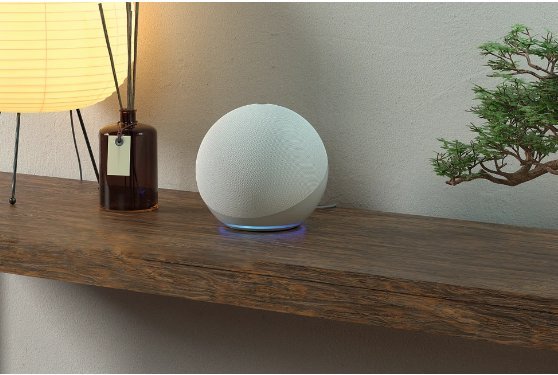
Alexa supports more smart home devices than anyone else, by a wide margin. If your setup includes a Hive thermostat, Philips Hue bulbs, Tado, Honeywell Evohome, or any of the dozens of smaller UK brands, Alexa almost certainly controls them. The Echo (4th gen, ~£90) and Echo Dot (~£35 on sale) are the value picks — the Dot is all most people need for voice control in a bedroom or kitchen, while the full-size Echo adds genuinely decent sound for the living room. Alexa Routines are the killer feature here: “Alexa, goodnight” can turn off every light, drop the heating to 16°C, and lock the smart lock in one command.
Google Nest — best for Google households
If your life runs on Gmail, Google Calendar, and an Android phone, the Nest Audio (~£70) or Nest Mini (~£25 on sale) will feel like home. Google’s voice recognition is the best of the three at understanding natural phrasing and follow-up questions, and it integrates beautifully with Nest thermostats. The catch: Google supports fewer third-party devices than Alexa, and Google’s commitment to its smart home hardware has wobbled over the years — the product line has shrunk rather than grown. Still perfectly good, but buy for what it does today, not promises.
Apple HomePod — the premium, private option
The HomePod mini (~£99) sounds superb for its size and Apple’s privacy stance is the strongest — voice processing happens on-device where possible, and Apple isn’t in the advertising business. But HomeKit supports far fewer devices than Alexa or Google, and the accessories that do work tend to cost more. This only makes sense if you’re already deep in the Apple world (iPhone, Apple TV as a home hub) and happy to pay the Apple tax on every bulb and sensor. For most UK smart-home setups, it’s the third choice.
What to check before you buy
- Your thermostat’s compatibility. Hive, Tado, and Honeywell all work with Alexa and Google; HomeKit support is spottier. Check the manufacturer’s compatibility page — don’t assume.
- Matter support. Matter is the new universal smart-home standard, and in 2026 it’s finally delivering on the promise: devices with the Matter logo work across Alexa, Google, and Apple regardless of brand. Buying Matter-compatible bulbs and plugs future-proofs your setup against ecosystem regret.
- Do you need a hub? Older Philips Hue setups need the Hue Bridge; many newer devices connect directly over WiFi or Thread. Fewer hubs means fewer points of failure.
- Sound matters more than you think. You’ll use the speaker for music and radio far more than for turning lights on and off. The Echo and Nest Audio both sound perfectly pleasant; the Dots and Minis are fine for talk radio and timers but thin for music.
- Privacy comfort. All three listen for a wake word locally and only stream audio after hearing it — but if the idea bothers you, every model has a physical microphone-off button. Use it when you’re not actively using voice control.
One more consideration: a smart speaker is only as reliable as your WiFi. If commands regularly fail in distant rooms, the problem is usually coverage, not the speaker — see how to fix slow WiFi upstairs and our broader home WiFi setup guide before blaming Alexa.
Heating control specifically: what works well
Voice-controlling heating is where smart speakers earn their keep. “Set the living room to 20 degrees” beats fumbling with a thermostat schedule, and geofencing (heating drops when the last person leaves, warms up when someone’s heading home) saves real money. Pair your speaker with a smart thermostat and the draught-proofing advice in our guide to reducing heating bills this winter, and you’re looking at meaningful savings — smart heating control typically trims 8–15% off heating bills.
A well-maintained boiler responds better to smart controls too (short-cycling a neglected boiler wastes the savings), so keep up with annual boiler servicing. And if you’re expanding the smart home to the front door, read which video doorbell suits a UK terraced house — the same ecosystem logic applies.
Which? lab-tests smart speakers for sound quality, voice recognition, and privacy controls — worth checking before you commit, since their tests catch things spec sheets don’t.
Voice control vs automation: what you’ll actually use
Here’s something the marketing glosses over: after the novelty wears off, most people barely use voice commands for lights. What they do use, daily, is automation — and your smart speaker is the hub that runs it. The routines worth setting up aren’t voice commands at all, but triggers: lights that fade on at sunset, heating that drops when everyone leaves (geofencing via the thermostat app), the hallway light that switches on when the video doorbell detects motion after dark.
Start with three automations and you’ll feel the benefit immediately: a “good morning” routine that raises the heating and turns on kitchen lights at 7am on weekdays; a “leaving home” routine that kills all lights and drops the thermostat; and a “movie night” scene that dims the living room. These run silently in the background — no shouting at a speaker required. Voice control then becomes the override for exceptions (“turn the bedroom light off”) rather than the main interface. That’s when a smart home stops feeling like a gadget and starts feeling like, well, home.
The practical takeaway
For most UK homes, the answer is Amazon Echo — widest device compatibility, best routines, and the Dot is absurdly cheap on sale. Choose Google Nest if you’re all-in on Google services; choose HomePod mini only if you’re deep in Apple’s world and value privacy above device choice. Buy Matter-compatible bulbs and plugs so you’re not locked in, check your thermostat’s compatibility first, and make sure your WiFi actually reaches the rooms where the speaker will live. Do that, and “I’m cold” becomes the most satisfying sentence in your house.


