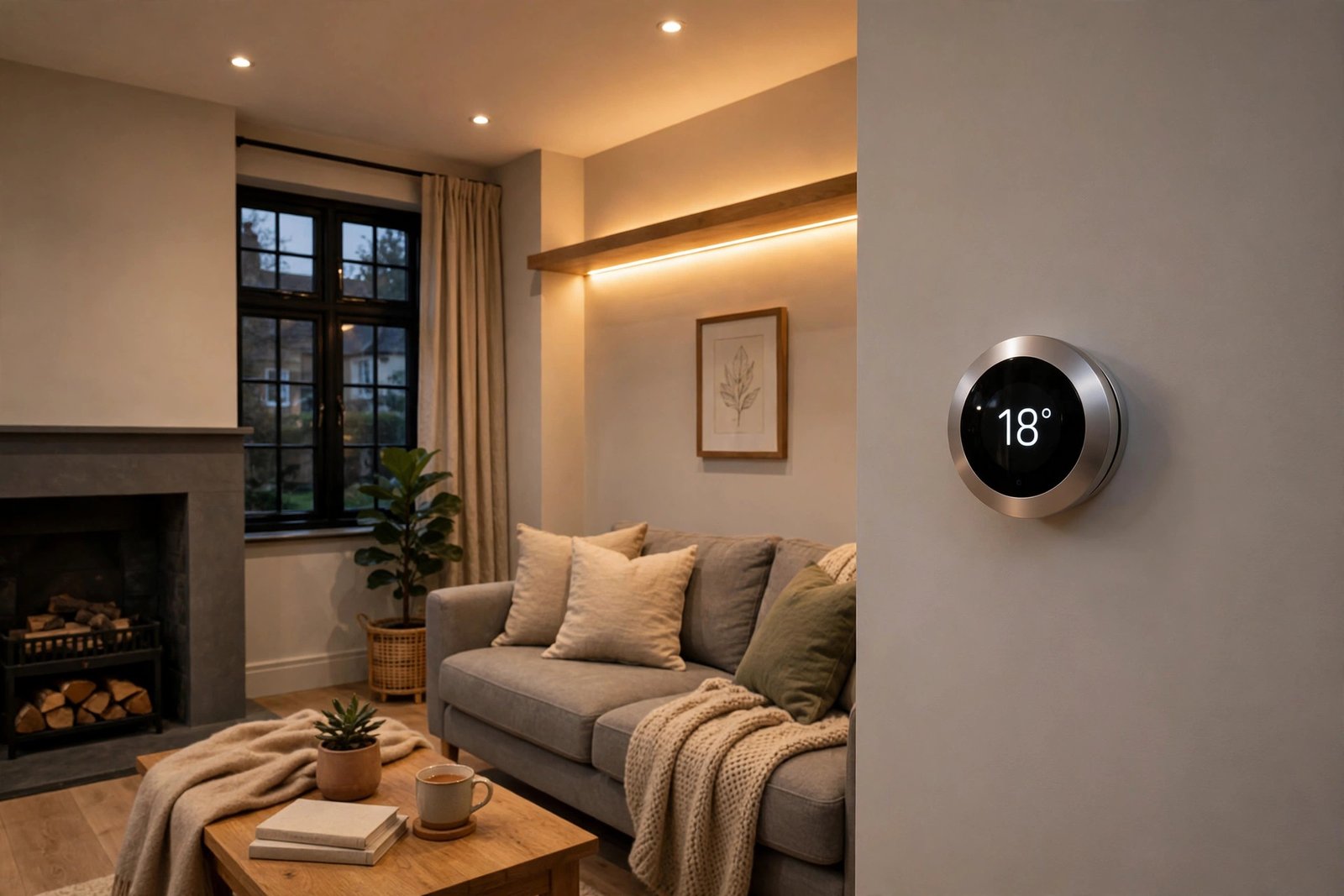
Warmth leaking through draughts wastes more effort than any gadget can repay.
Saving energy at home is a contest between the house itself and the habits and machines inside it. Again and again, the house wins. Heat escapes through gaps, thin fabric and poorly controlled heating long before any clever device gets a chance to help. That is why the sensible order for a beginner is unglamorous: change free habits first, seal and insulate the fabric next, and treat technology as the final layer rather than the opening move.
There is a useful parallel in how master keying systems work: one simple arrangement, understood properly, can serve many needs without extra complexity piled on top. Each comparison below weighs a cheap, patient approach against a spendier one. Sometimes the spendier option earns its place, usually later and usually after the basics are done. Sometimes it never does. The pattern to watch is return on effort. Work that stops heat leaving, or stops energy being used when nobody needs it, repays itself every single day. Work that merely manages waste more cleverly repays far less, because the waste is still happening underneath.
Free Habit Changes Versus Costly Technology Upgrades
Free habits start with heat. Turning the thermostat down slightly, heating only the rooms in use and letting the system rest when the house is empty all cut waste without costing anything. So does switching devices fully off rather than leaving them waiting in standby, bleeding radiators so they warm evenly, washing full loads at cooler settings and drying clothes in the air where space allows. None of this is exciting. All of it works from the first day it becomes routine.
Costly upgrades promise to handle the problem for you, and some eventually help, but they sit on top of whatever habits already exist. A sophisticated system heating empty rooms at full warmth is an expensive way to waste energy efficiently. Technology also brings its own upkeep, settings and failure modes. Beginners who buy first often end up managing gadgets instead of managing heat, and the bills reflect the confusion.
The fair verdict is sequence, not rejection. Habits cost nothing, reveal how your home actually uses energy, and stay valuable whatever equipment you later install. Accounts of energy conservation through efficiency and behaviour make the same distinction, treating behaviour and efficiency as partners rather than rivals. Learn the house first. Then, if an upgrade still looks worthwhile with honest habits already in place, it will be bought for a real need instead of a hopeful one.
Draught Proofing and Insulation Versus Smart Gadgets
Draught proofing attacks waste at its source. Sealing gaps around windows, doors, letterboxes and unused chimneys stops warm air wandering out and cold air wandering in. Insulating a hot water cylinder, adding lagging to pipes and fitting panels that reflect radiator heat back into the room all serve the same principle: keep the heat you have already paid to create. The materials are plain, the work is mostly patient fitting, and the comfort gain is often noticed before any bill arrives.
Smart gadgets approach from the other end. Monitors show you what is being used, and clever controls promise finer management. Information is genuinely useful, and a monitor can expose a wasteful appliance you had never suspected. But a screen cannot seal a window. A home that leaks heat will leak it under perfect digital supervision, and the display will simply report the loss in finer detail.
Choose fabric first, then information. Reading about thermal insulation materials that slow heat loss shows why slowing heat transfer through walls, roofs and pipes changes the whole behaviour of a house, not just one bill. Once the fabric holds heat properly, controls and monitors become genuinely powerful, because small adjustments then produce visible results. Until then, gadgets are measuring a problem that a roll of sealant and an afternoon of care would have shrunk.
Laundry and Lighting Tweaks Versus Appliance Replacement
Laundry offers easy wins. Full loads rather than half loads, cooler washes for everyday clothing, and air drying instead of tumble drying where possible all reduce use without reducing cleanliness in any way that matters. Modern detergents are made for cooler water, and most everyday laundry is dusty rather than filthy. The tumble dryer, used thoughtlessly for everything, is often the single hungriest habit in the wash routine, while a rack near moving air does the same job slowly and freely.
Lighting follows a similar pattern. Finishing the switch to efficient bulbs in the rooms used most, and simply not lighting empty rooms, captures nearly all the available gain. Replacement appliances are a different matter. A fridge, freezer or washing machine replaced before its time carries the cost and material burden of manufacture, and the running saving may take a long while to justify the swap on energy grounds alone.
Replace on condition, not on fashion. When an appliance is failing, inefficient by design and used constantly, a careful replacement chosen for efficiency makes sense, and measuring its real consumption beforehand tells you whether the case is strong. Until then, tweaks win. The cleverness lies in a simple underlying arrangement, not in adding complexity. Homes reward the same thinking. Simple arrangements, honestly maintained, beat elaborate ones left to drift.
Heating Controls Versus Leaving Warmth Running Constantly
Constant warmth is the quiet waster. A house heated steadily through empty hours and empty rooms spends much of its energy maintaining comfort for nobody. Controls exist to end exactly that. Timers align heating with the pattern of the day, thermostats hold a chosen warmth instead of overshooting it, and valves on individual radiators let unused rooms rest cooler while lived-in rooms stay comfortable. None of this requires intelligence, smart or otherwise. It requires a schedule that matches real life.
The counterargument is comfort on arrival, and it deserves respect. Nobody wants to return to a cold house or wake in one. Proper controls answer that concern rather than ignoring it, because timed heating can warm the house shortly before it is needed and stop shortly after it stops being needed. The house feels the same to the people in it. The difference is invisible, which is precisely the point: the waste was never buying comfort in the first place.
Zoning deserves emphasis for beginners because it is often possible with controls already fitted. Closing down heat in spare rooms, hallways at night or spaces used only at weekends trims the largest energy user in most homes without touching the rooms where life happens. Review the schedule when routines change, since controls set for an old pattern quietly waste energy in a new one. A short seasonal review keeps the system honest.
Large Installations Versus Patient Fabric Improvements First
Large installations tempt because they feel decisive. Rooftop generation, a new heating system or full glazing promises transformation in a single project. Yet each performs best in a house that already keeps its heat. Generation on a leaky roof serves a wasteful home. A modern heating system sized for a draughty house works harder than it should. Glazing bought mainly for energy reasons often improves comfort and noise more than it improves bills, which makes it a pleasure purchase rather than an energy bargain.
Fabric improvements are slower and less photogenic. Topping up loft insulation, filling suitable wall cavities and finishing the dull sealing work rarely impress visitors. They do something better: they lower the demand of the house permanently, in every season, under every future heating system. Demand lowered once stays lowered. Every later decision, from boiler size to heating controls, becomes easier and cheaper because the house asks for less.
There are honest exceptions. A failing heating system must be replaced when it fails, and that moment is the right moment to choose well rather than like for like in a panic. Roofs under repair are the right moment to improve insulation above them. The rule is about order under free choice, not about refusing necessary work. When choice is free, spend first where heat escapes, and let installations arrive to serve a house that is ready for them.
Measuring deserves a word of its own before any verdict, because guesses about homes are often wildly wrong. A simple monitor on a suspect appliance, a meter reading taken weekly for a while, or a note of which rooms never quite warm up can overturn months of assumption. The culprit is frequently not the device everyone suspected. It might be an old freezer in the garage, a heated towel rail left running through summer, or a single draughty door undoing the work of every radiator nearby. Finding the real culprit first is the cheapest improvement available, since it costs attention rather than money and points every later purchase at a problem that actually exists.
Our Recommendation: Seal, Insulate, Then Consider Technology
The recommendation grows out of everything compared above. Begin with free habits and hold them until they are boring. Seal the draughts you can feel and insulate the hot water system and loft you can reach. Set heating controls to match real life, zone the rooms, and measure the main appliances so guesses become knowledge. This foundation costs little, works immediately and makes every later step easier to judge.
Next, complete the fabric. Top up insulation properly, deal with suitable cavities, and treat glazing honestly as comfort spending unless yours is failing. Only when the house holds warmth should larger technology be weighed, and then it should be weighed against measured use rather than sales promises. A well prepared house may need a smaller, simpler installation than the one first quoted, or may reveal that the foundation work already delivered most of what you wanted.
Keep measuring as you go, and let the house teach you its own order of work. Every home has a particular culprit: a draughty door, a hungry old freezer, a heating pattern from a previous life. Find yours, fix it plainly, and move to the next. Beginners do not need a transformation. They need a sequence they can trust, and seal, insulate, then consider technology is that sequence. Work through it at the pace the house and the household allow, room by room and season by season if needed. A sealed door this month and a lagged cylinder next month still move the home in the right direction, and each finished step makes the remaining waste easier to spot, name and tackle with confidence.