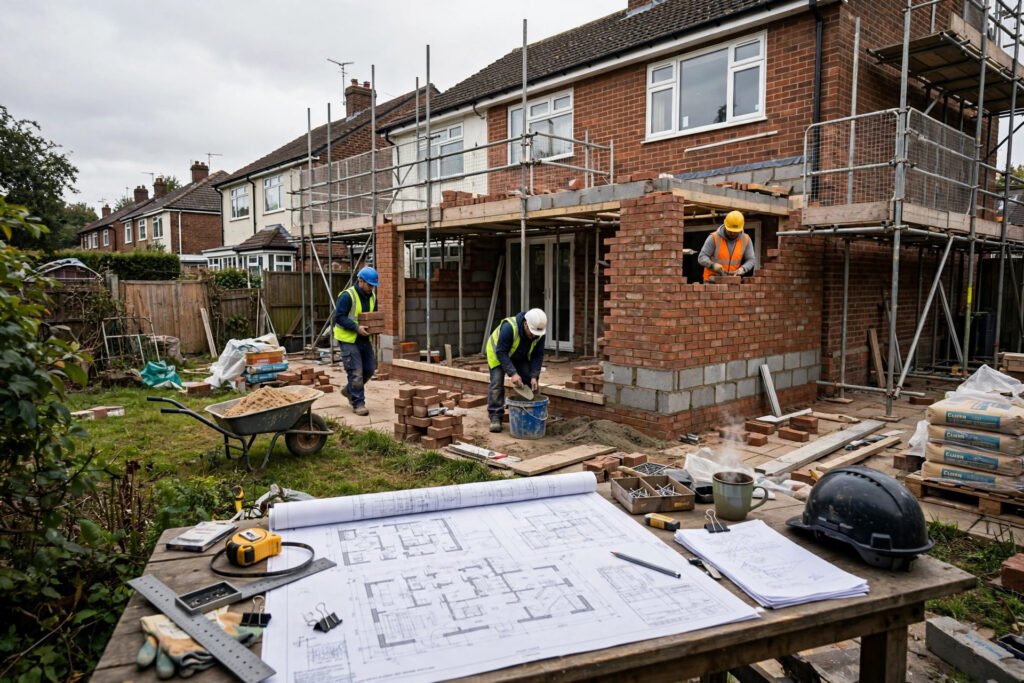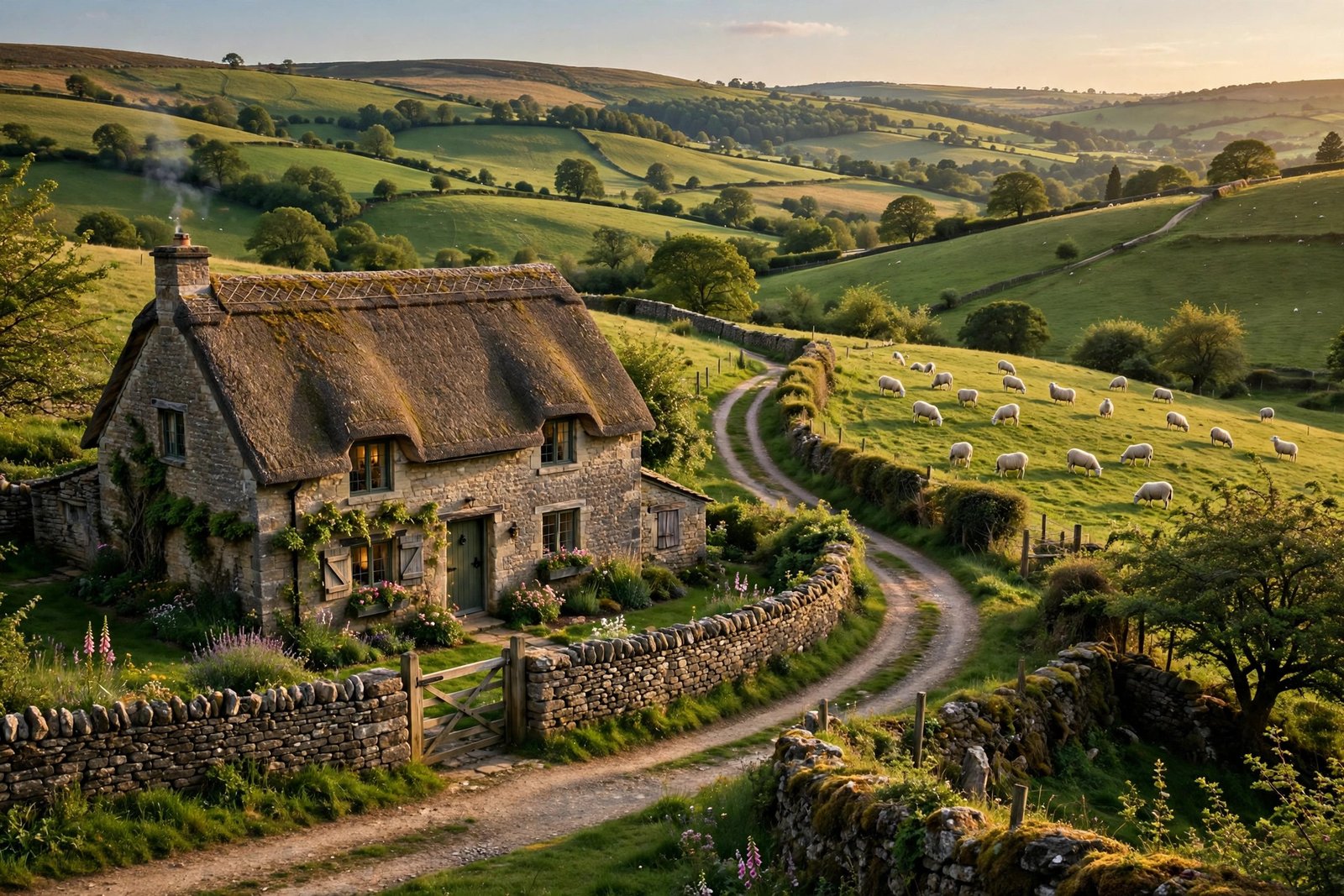
The countryside sells you a view; it forgets to mention the septic tank.
Assuming Rural Life Is City Life, Slower
The commonest mistake is treating a rural move as a city life transplanted into prettier scenery, with the same services arriving by slightly longer roads. Rural life is a different operating system. The shop closes early, the bus is an event rather than a service, the nearest tradesperson may be booked for weeks, and deliveries that once arrived the same afternoon now arrive when the route passes your lane. None of this is hardship once expected; all of it grates when discovered week by week.
The countryside is also not one place. A village with a pub, a school and a shop, a short drive from a market town, offers a genuinely different life from a remote hamlet where the road narrows to a single track. Both photograph beautifully. Before falling for either, map your actual week onto it: the commute, the food shop, the school run, the elderly parent, the gym habit. Even simple pleasures depend on connectivity, and checking the broadband providers for rural areas honestly, at the actual address rather than the village name, belongs on the viewing list beside the boiler.
The households that settle fastest are the ones who wanted the differences rather than tolerating them. If dark skies, mud on boots, livestock smells drifting over the garden and church bells on a Sunday register as pleasures, the trade is sound. If they register as faults to campaign against, the friction never ends, because the countryside was doing all of those things long before the house was built and will carry on long after any newcomer has made their feelings known at the parish meeting.
Buying the View and Forgetting the Winter
Summer viewings sell rural houses, and summer is a liar. The lane that charms in June floods in November, the garden that glows in evening light faces north and loses the sun by mid afternoon for half the year, and the charming single track road becomes a negotiation with delivery vans when the verges are mud. Ask what the lane does in a wet winter, then drive it after rain if you possibly can. View in bad weather at least once; a house that still appeals in horizontal drizzle has passed an honest test.
Heating is where winter sends its invoice. Older rural homes often run on oil or bottled gas rather than the mains supply a city household takes for granted, and solid walls, single glazing and rooms with high ceilings all drink heat. None of this makes a house a bad buy, but it changes the running costs fundamentally, and the estate agent’s summer particulars will not volunteer the comparison. Ask to see how the current owners heat the place and what they keep the thermostat doing in January.
The pattern has a name in the textbooks: counterurbanisation and moving rural describes the steady flow of households trading density for space, and its literature is full of the same winter discovery. The movers who thrive tend to research the unglamorous half of the year as carefully as the glorious half. Visit at night as well, and listen. Rural quiet is real, but so are farm machinery at dawn, dogs in kennels and the teenager in the next farmhouse learning the drums.
Skipping the Boring Checks on Drains and Roofs
Here is the mistake with the longest tail. Beyond the reach of mains drainage, a house drains into a septic tank or a private treatment plant, and that system becomes your responsibility in a way a city sewer never is. It needs emptying on a rhythm, it must discharge lawfully, and a failing one is an expensive, unpleasant problem that a general viewing will never reveal. Ask what system serves the house, where it sits, when it was last emptied and serviced, and whether it meets the current rules for discharge.
A plain account of septic tanks and how they work takes twenty minutes to read and will save you from buying someone else’s neglect. Commission a proper survey and, where drainage is private, a specialist drainage inspection as well; the surveyor who tests the tank, checks the soakaway and reports on the roof, the chimneys and any timber decay is earning every bit of the fee. Roofs on older rural homes may carry handmade tiles or slate that are costly to match, and a roof at the end of its life changes the arithmetic of the whole purchase.
Extend the same suspicion to water and signals. Some homes draw from private supplies or shared springs with their own maintenance duties, and rights of way, shared drives and unregistered boundaries are common where land has passed between farming families for generations. Check flood risk from the maps, mobile signal on your own handset standing in the garden, and whether the lane is maintained by the council or by the households along it. Each answer is cheap to obtain before exchange and awkward afterwards.
Underestimating the Car You Will Live In
City households treat a car as transport; rural households live inside a logistics system with wheels. Almost every journey starts with a drive: work, school, shopping, the doctor, the station, the friend whose house was a walk away in your old life. That dependence means the car stops being a discretionary expense and becomes infrastructure, with fuel, tyres, servicing and repairs to match. Two adults working in different directions often means two cars, and the second car’s costs belong in the moving budget from the start.
Choose and maintain the car accordingly. Ground clearance and tyres that cope with mud, standing water and unlit lanes matter more than cabin toys. A breakdown in a city is an inconvenience with a coffee shop nearby; a breakdown on a dark lane in January is an event, so breakdown cover, a charged phone, a torch, warm clothing and a spare wheel you have actually checked stop being optional extras. Winter tyres or at least good all season rubber earn their keep where gritters pass rarely.
Mileage also rewrites the replacement cycle. Distances that were trivial become a daily accumulation, and a car that would have lasted a city household for years wears out on a rural schedule. When you cost the move, cost the driving honestly: every regular destination, there and back, across a wet week. Households who skip this sum often find the celebrated saving on the house price quietly leaving through the fuel tank, one unremarkable journey at a time.
Fuel and supplies join the same pattern. Heating oil arrives by tanker on a booked day, not by turning a dial on an endless mains supply, and a household that lets the tank run dry in a cold snap waits in a cold house. Logs need ordering, seasoning and stacking. Supermarket deliveries may not reach the lane at all, and those that do come on set days. None of this is difficult; all of it rewards households who plan a week ahead over households who shop, heat and travel on impulse.
Expecting Old Friendships to Commute With You
The social mistake is assuming your existing life will stretch down the motorway to reach you. It will visit, gladly, for the first summer. Then visits settle into the rhythm of all long distance friendships, and the everyday texture of company, the dropped in coffee, the shared school gate conversation, the friend who notices you are struggling, has to be rebuilt locally or it does not exist. People who move back to the city cite this gap more than any other single cause, ahead of weather, ahead of cost.
Rebuilding locally is a skill with known moves. Villages run on participation: the hall committee, the pub quiz, the school gate, the church or chapel whether or not faith brought you there, the volunteering rota that always needs one more pair of hands. Show up repeatedly rather than brilliantly. Rural communities have watched many enthusiastic arrivals fade by the second winter, and trust is extended to the people still turning up in February. Children, through school and clubs, usually root a family faster than any adult strategy.
Hold the old friendships realistically rather than resentfully. Keep a spare room genuinely ready, since visits become weekends and weekends are how distance friendships now work. Travel back yourself without keeping score. And be honest before the move about which relationships your happiness actually depends on weekly, because a move that strands you from a parent you support, or a co parent arrangement built on proximity, is a logistics problem wearing a lifestyle costume.
The Slower Way That Actually Settles
The correct way, in one sentence, is to rent before you buy, or at the very least to rehearse the life before purchasing it. A winter let in the village you favour teaches more than a dozen summer viewings: the lane in flood, the heating in earnest, the real broadband speed at the real desk, the distance to the shop when the car is at the garage. Renting feels like delay; in truth it is the cheapest research a household can buy, and it converts a gamble into a decision.
Then buy with the boring checks done, the car costed, the heating understood and the social plan started. Keep a reserve for the surprises every old house keeps, because one will arrive in the first year and it is only a crisis if the money for it was spent on the purchase. Introduce yourselves, join one thing, learn the lanes in daylight before winter asks you to drive them in the dark, and give the place a full turn of the seasons before judging it.
Judged that way, across all four seasons and the whole of an ordinary week, the countryside stops being a poster and becomes a home. The view is still there, and it improves once it is simply the backdrop to a life that works: drains that behave, a car that starts, neighbours who wave because they know your name. The slower way feels cautious only until you meet the households packing up after eighteen unhappy months, explaining to callers that the cottage was lovely but the life around it never fitted.