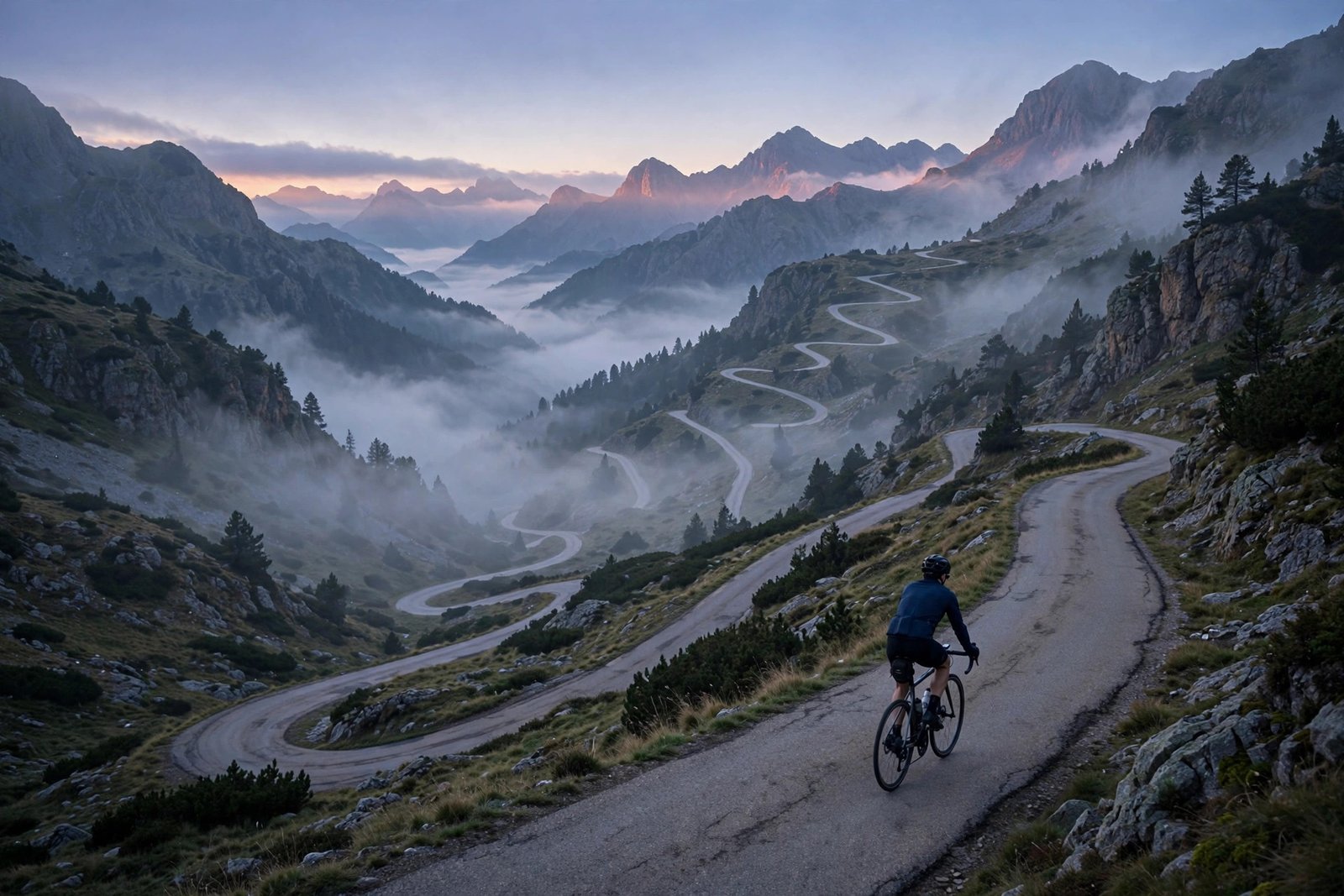
A long-distance cycling event — a century ride (100 miles), a sportive, a multi-day tour — is one of endurance sport’s great undertakings: part physical challenge, part logistical expedition, part mental adventure. Preparing for one is completely different from “getting fit for cycling” — it demands structured training over months, fuelling strategy, equipment choices, and the kind of planning that makes the difference between a glorious finish and a miserable abandon at mile 60. This guide explains how preparation actually works, from the 16-week training arc to the final week’s taper.
You will learn how long to train and how to structure it, the weekly training blueprint, nutrition and fuelling strategy, essential kit and bike setup, pacing and event-day execution, and the mistakes that ruin months of preparation.
The training arc: 12–20 weeks
For a rider with basic fitness, 12–16 weeks of structured training prepares you for a century; complete beginners should allow 20+ weeks. The arc has three phases. Base (weeks 1–6): build aerobic endurance with progressively longer rides — the long weekend ride is the cornerstone, growing from 2 hours toward 5–6 hours. Do not chase speed yet; the goal is time in the saddle, teaching your body to burn fat efficiently and your backside to tolerate the hours. Two to three midweek rides of 60–90 minutes support the long ride.
Build (weeks 7–12): add intensity — one interval or hill session weekly develops the power to climb and the resilience for hard efforts. The long ride keeps growing, peaking at 70–80% of event distance (riding the full 100 miles in training is unnecessary and counterproductive — it costs too much recovery). Peak and taper (final 2–3 weeks): the longest ride lands 2–3 weeks out, then volume drops 40–60% while intensity stays sharp — the taper lets accumulated fatigue dissipate while fitness remains, and arriving fresh beats arriving overtrained every time. Throughout, the golden rule: increase weekly volume by no more than 10%, and schedule a recovery week (30–40% less volume) every third or fourth week. Consistency across months beats heroic single weeks — the same principle behind steady strength progress: adaptation rewards patience.
The weekly blueprint
A working week for a time-pressed rider: Monday rest. Tuesday: 60–90 minutes with intervals (e.g., 5 × 5 minutes hard with equal recovery). Wednesday: easy 60-minute spin or rest. Thursday: 90 minutes including hill reps or tempo. Friday: rest. Saturday or Sunday: the long ride, starting at 2.5 hours and building toward 5–6. Total: 6–9 hours weekly at peak — achievable around full-time work with early alarms and protected weekends.
Two sessions matter most: the long ride (endurance) and the interval session (power). If life squeezes the week, protect those two and drop the rest. Cross-training helps: core strength twice weekly prevents the back pain that ends more centuries than legs do — planks, dead bugs, and glute bridges take 15 minutes and pay enormous dividends. And strength work need not mean a gym: home strength workouts build the resilience that keeps you pedalling at mile 80. Track training with any free app; the data reveals whether you are actually progressing or just riding.
Fuelling: the fourth discipline
Long rides are eating contests disguised as sport: you can store roughly 90 minutes of glycogen, so anything longer demands on-bike fuelling — 60–90g of carbohydrate per hour for rides over 3 hours. Practice this in training, because gut tolerance is trainable and race-day experiments are disastrous. Find the products (gels, bars, bananas, malt loaf — whatever works) and the timing that suits you, then replicate it exactly on event day.
Hydration: 500–750ml per hour in moderate conditions, more in heat, with electrolytes on rides over 2 hours — water alone dilutes blood sodium on very long efforts. Pre-event: eat normally the week before (no drastic diet changes), emphasise carbohydrates in the final 48 hours, and eat a familiar breakfast 2–3 hours before the start. During the event, eat early and often — the bonk (glycogen depletion) at mile 70 is not a fitness failure but a fuelling failure, and it is entirely preventable. Post-ride: protein plus carbohydrate within a couple of hours accelerates recovery. None of this requires expensive products; supermarket food fuels centuries perfectly well.
Bike, kit, and the mechanical basics
You do not need a new bike — you need a reliable, comfortable bike. Get a professional bike fit (£80–£150) if you are riding 5+ hours; poor fit causes the knee, back, and neck pain that ends events. Fresh tyres, new brake pads, a serviced drivetrain, and a spare inner tube plus pump/mini-tool you know how to use — mechanical DNFs are the most preventable failures in cycling. Ride the exact setup (saddle, bar tape, tyre pressure) for weeks before the event; nothing new on event day is the iron rule.
Kit essentials: padded shorts (the single most important comfort item — buy quality here), moisture-wicking jersey, helmet (non-negotiable), gloves, glasses, and layers for weather changes. Chamois cream prevents the saddle sores that sound trivial and end rides. Lights and reflective gear if the event starts early. And know your event’s rules: sportives typically require helmets and working brakes, provide feed stations and mechanical support, and are non-competitive — ride your pace, not the fast group’s. Total preparation cost beyond the bike: £100–£250, mostly the fit and shorts.
Event-day execution and classic mistakes
Pacing decides everything: start easier than feels necessary — adrenaline and crowds make the first hour deceptively easy, and riders who blast off pay at mile 60. Aim for negative or even splits: the second half no slower than the first. Eat from mile 10, not mile 40. Drink to thirst plus a schedule. Break the ride mentally into thirds — settle, work, finish — rather than contemplating 100 miles at the start line.
The classic mistakes, catalogued: under-fuelling (the #1 century killer); starting too fast; new kit or nutrition on the day; ignoring niggles until they become injuries (address hot spots, knee twinges, and numbness early — a 2-minute stretch at mile 30 beats a DNF at mile 55); poor pacing on hills (spin easy gears early — grinding big gears destroys legs); and skipping the taper through anxiety (trust the training; fitness does not evaporate in 10 days, but fatigue does). Finish-line advice: keep pedalling gently for 10 minutes after finishing, eat and rehydrate promptly, and savour it — you earned every mile. For inspiration on active pursuits generally, taking up rewarding hobbies is where many cyclists’ journeys begin.
Conclusion
Preparing for a long-distance cycling event means 12–20 weeks of structured training built around the long ride, disciplined fuelling practised in advance, a reliable and well-fitted bike, and event-day pacing that starts easy and eats early. It is a project as much as a sport — and finishing transforms your sense of what you are capable of. Start the base miles now; the start line arrives faster than you think.
Frequently Asked Questions
How fit do I need to be to start training for a century?
Comfortable riding 90 minutes continuously is a good starting point. Below that, spend 4–6 weeks building to it before beginning the structured plan.
Do I need an expensive bike for a long-distance event?
No — reliability and fit matter far more than price. A well-maintained mid-range bike with a professional fit will carry you 100 miles happily.
What should I eat during a century ride?
60–90g of carbs per hour from whatever your gut tolerates — gels, bars, bananas, sandwiches. Practice your exact strategy on long training rides; never experiment on event day.
How do I avoid saddle soreness?
Quality padded shorts, chamois cream, a proper bike fit, and standing periodically. Soreness that persists despite these deserves a fit reassessment, not tougher shorts. NHS resources cover exercise-related pain guidance, and British Cycling lists sportives and training advice.