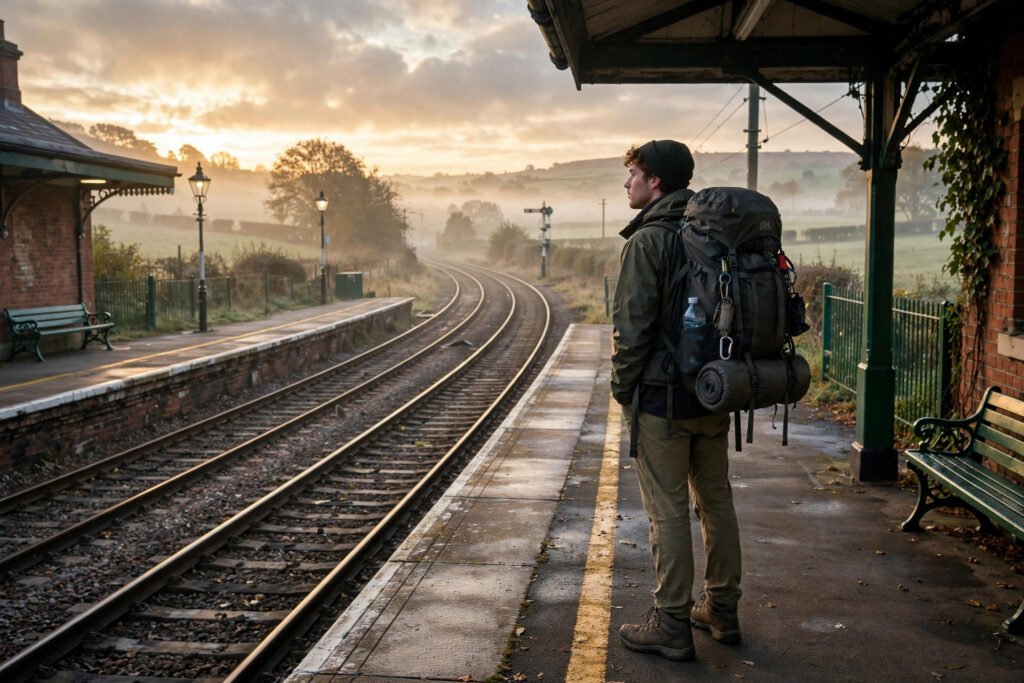
Your thirties are a weird decade for hobbies. In your twenties, hobbies found you — uni societies, housemate adventures, spontaneous nonsense. Then work got serious, maybe kids arrived, and suddenly your leisure time is scrolling on the sofa wondering where the evening went. If you’re hunting for the best hobbies to take up in your 30s, the good news is this is actually the ideal decade: you’ve got money, you’ve got opinions, and you’re old enough to not care about looking silly as a beginner.
The trick is picking hobbies that fit the life you actually have — not the life of a 22-year-old with infinite free evenings. Here’s what works, organised by what you’re really looking for.
The best hobbies to take up in your 30s: if you want people
Loneliness in your thirties is real — friends move away, have babies, get busy. Social hobbies fix two problems at once:
- Team sports for the non-sporty. Social netball, touch rugby, five-a-side, rounders leagues — most UK cities have “just turn up” leagues aimed at rusty beginners. You’re there for the pint afterwards as much as the game.
- Climbing. Bouldering gyms are the unofficial social clubs of the thirtysomething — no experience needed, you naturally chat between climbs, and progress is visible week to week.
- Choir. No audition community choirs are everywhere, it’s scientifically brilliant for mood, and you don’t need to be able to sing. Really. Half the tenors can’t.
- Board game cafés and groups. The modern board game scene is nothing like Monopoly — it’s social, clever, and a great way to meet people without the pressure of a pub.
- Volunteering with a social core. Parkrun volunteering, community gardens, festival stewarding — you meet people while doing something useful. Our guide to volunteering in your local community has options that fit around full-time work.
If you want to switch your brain off (or on)
Some hobbies are about rest, others about growth. Both matter:
- For switching off: wild swimming, gardening, jigsaw puzzles (genuinely meditative), fishing, baking. Repetitive, physical, screen-free. Your nervous system will thank you.
- For switching on: a language (apps get you started, conversation groups make it stick), an instrument (ukulele is the fastest win; piano apps make progress visible), chess, creative writing. Learning anything new as an adult is deeply satisfying — our piece on learning a new skill as an adult covers how to stick with it past the awkward beginner phase.
- For both: reading properly again. Not doomscrolling — actual books. Starting a book club with friends gives you the social layer and the deadline that keeps you turning pages.
If you want to move your body (without the gym dread)
By your thirties, most people have a complicated relationship with exercise. The hobbies that stick are the ones that don’t feel like exercise:
- Cycling — a decent secondhand bike (£100–£200) and your city becomes explorable. E-bikes count. Nobody cares.
- Open-water swimming — lidos, lakes, and sea swims have exploded in the UK. Cold water is miserable for ninety seconds and euphoric for hours.
- Martial arts — Brazilian jiu-jitsu, judo, boxing gyms. Brilliant workout, genuine skill progression, and an instant community.
- Hiking with intent — not just walks, but working through a list: the National Trails, Wainwrights, Munros. A long-term project gives weekend walks a purpose.
- Dance classes for adults — salsa, swing, ceilidh, Ceroc. Beginner-friendly, social, and excellent exercise disguised as a night out.
The NHS guidance on getting active suggests 150 minutes of moderate activity a week — a hobby you love makes that happen without counting minutes.
If you want to make things
There’s a particular satisfaction in producing something physical in a decade otherwise spent producing emails:
- Pottery — evening classes book out fast for a reason. Messy, absorbing, and you get mugs.
- Woodwork — community workshops and “men’s sheds” (open to all despite the name) offer tools, space, and patient instruction.
- Photography — your phone is already a superb camera; a local photography walk group teaches you to actually use it.
- Cooking as a project — not weeknight fuel, but a cuisine to master: sourdough, ramen, proper curry. Pick one and go deep for six months.
- Gardening or allotments — the waiting lists are long, so apply now; meanwhile, a windowsill herb garden is a fine start.
Hobbies that might pay for themselves
Not every hobby needs to be pure leisure — some of the most satisfying ones eventually cover their own costs. Photography can turn into second-shooter wedding work. Baking can become a market stall. Woodwork, pottery, and sewing all have thriving Etsy markets. Coding side projects can become freelance gigs. The key is to start them as hobbies with zero financial pressure and let any income be a bonus, not the goal — the moment a hobby has to pay, it becomes a job. But there’s a particular joy in a hobby that funds its own materials. If the money side appeals, our guide to side hustles for busy parents in the UK covers how to test the waters without overcommitting.
How to actually stick with it
Starting hobbies is easy; continuing past week four is the skill. Three things help: pay for it (a course you’ve paid for gets attended; a free intention gets postponed), make it social (accountability to other humans beats accountability to yourself), and lower the bar (thirty minutes of bad pottery beats zero minutes of perfect intentions). Also, give anything new at least six sessions before judging it — the first three are always awkward.
And feed your brain while you’re at it — podcasts for personal development are perfect commute companions for the newly hobby-curious.
The takeaway
The best hobbies to take up in your 30s are the ones that fit your actual life: social ones if you’re lonely, physical ones disguised as fun if you hate the gym, creative ones if you crave making things, and learning ones if your brain is bored. Pick one, pay for a course, give it six sessions, and let yourself be a beginner. Your thirties are long — you might as well collect some good stories.