Walk into any UK leisure centre and you will find yoga and Pilates classes sitting side by side on the timetable, attracting overlapping crowds and endless confusion. Beginners routinely pick the wrong one, attend three sessions, conclude “it wasn’t for me”, and abandon both — when the other discipline might have been perfect. The two practices look similar from the doorway but train your body in fundamentally different ways. Here is how to choose without wasting money on months of the wrong class.
What Each One Actually Does
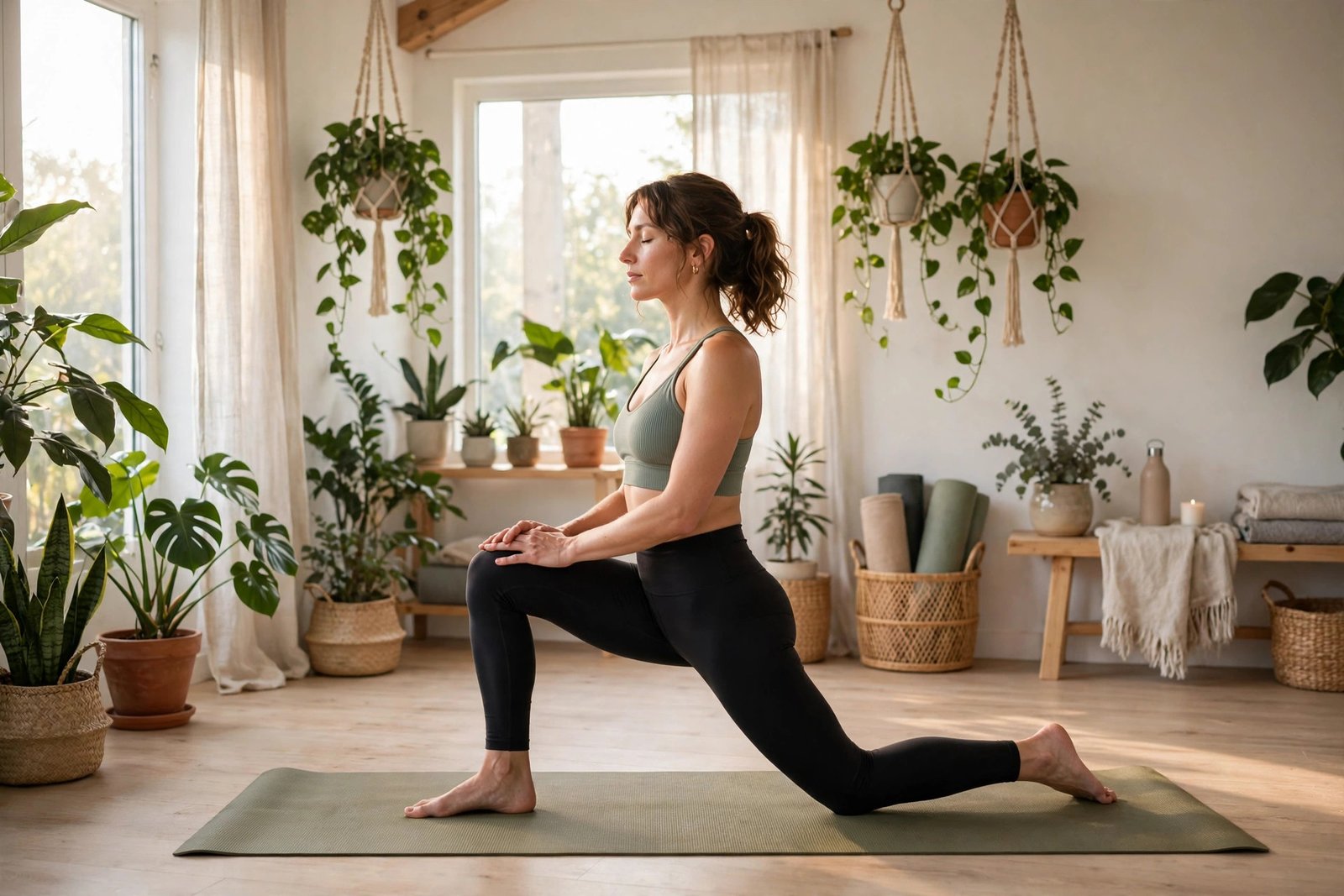
Yoga is a centuries-old practice combining physical postures, breathing techniques and mindfulness. A typical class flows through poses that build flexibility, balance, strength and body awareness simultaneously, with an emphasis on the breath-movement connection. Styles range from gentle Hatha to sweaty Vinyasa to the furnace-like heat of Bikram — “yoga” describes a family, not a single workout.
Pilates is a twentieth-century system created by Joseph Pilates, focused with almost scientific precision on core strength, postural alignment and controlled movement. Mat Pilates uses bodyweight; reformer Pilates uses a sliding machine with springs for resistance. Where yoga flows, Pilates isolates: tiny, precise movements targeting deep stabilising muscles most people did not know they had. There is no spiritual component and minimal flexibility emphasis — it is closer to physical therapy than to a workout class.
The practical distinction: yoga asks “can you move well through space?”, Pilates asks “can you stabilise precisely while moving?”. Both improve posture, both count toward the NHS activity guidelines, and both are excellent — for different people and different goals.
Choose Yoga If…
- You want flexibility and stress relief together. Yoga’s combination of stretching, breathing and mindfulness is unmatched for unwinding a wired nervous system. If work stress lives in your shoulders, start here.
- You like variety and flow. No two Vinyasa classes are identical; the practice rewards exploration. If repetitive gym routines bore you, yoga’s diversity keeps you coming back.
- Balance and mobility are your weaknesses. Desk workers who cannot touch their toes or stand on one leg without wobbling get transformative results from yoga’s balance and mobility work. Pair it with posture fixes for desk workers for the full reset.
- You want a practice, not just exercise. The mindfulness element genuinely helps anxiety and sleep — benefits that extend far beyond the studio.
Choose Pilates If…
- Your core is weak or your back aches. Pilates was designed for rehabilitation, and its core-and-posture focus is the single best exercise intervention for non-specific lower back pain. If backache is your motivator, Pilates first.
- You want measurable strength progress. Pilates progressions are systematic — you will feel stabiliser muscles switch on within weeks, and the strength transfers directly to every other sport.
- You prefer precision to spirituality. No chanting, no incense, no Sanskrit — just exact, coached movement. If yoga’s atmosphere puts you off, Pilates offers the physical benefits without it.
- You are returning from injury. Clinical Pilates (with a physiotherapist) is routinely prescribed for rehab. Check instructors’ qualifications — look for recognised Pilates certifications, not just a gym’s in-house course.
The Money Question: What Will It Cost?
Neither needs to be expensive. Council leisure centres across the UK offer both for £5–£8 a class or within monthly memberships — the cheapest way to trial each for a month. Independent studios charge £12–£20 per mat class; reformer Pilates runs £20–£35 a session because of the equipment and small class sizes. Online subscriptions (£10–£15/month) are excellent value once you know basic form, but beginners benefit enormously from in-person correction in the first month — bad alignment practised alone becomes bad habit.
The waste trap: buying a ten-class pass before attending one class. Always trial first — most studios offer an introductory class or discounted first week. And beware the “unlimited monthly” upsell until you know you will attend three times a week; for most beginners, a pay-as-you-go or five-class card is cheaper for the first two months. If budget is tight overall, low-impact workouts for beginners includes free options that deliver similar benefits.
Can You Do Both?
Yes — and many people eventually do, because they complement each other beautifully. Pilates builds the core stability that makes yoga poses safer and stronger; yoga builds the mobility that lets Pilates movements access fuller ranges. A common sustainable pattern: two Pilates sessions and one yoga session per week, or vice versa depending on your primary goal.
If you must pick one to start, choose based on your biggest current problem: back pain or weak core → Pilates; stiffness, stress or poor balance → yoga. Reassess after two months. The best exercise is the one you will still be doing in a year, and an honest two-month trial of the right discipline beats a year of forcing the wrong one.
What Beginners Get Wrong
Yoga beginners often pick advanced Vinyasa classes from YouTube and conclude yoga is “too hard” — start with Hatha or “beginners” classes, where poses are held and explained. Pilates beginners often brace their abs by holding their breath — the method uses continuous lateral breathing, and your instructor should drill this from day one. Both disciplines punish ego: the flexible newcomer forcing splits and the strong newcomer muscling through Pilates with momentum both miss the point and risk injury. Leave competition at the door; the person on the next mat is irrelevant to your practice.
A Note on Evidence
Both disciplines have genuine evidence behind them: the NHS includes yoga and Pilates-style activities among recommended approaches to strength, balance and flexibility, and clinical guidelines reference core-stability exercise for persistent back pain. Neither is alternative medicine — they are mainstream, evidence-informed physical practices. Choose on fit, not on faith.
Conclusion
Yoga versus Pilates is not a contest with a winner — it is a matching problem. Want flexibility, stress relief and flowing variety? Choose yoga. Want core strength, postural precision and back-pain relief? Choose Pilates. Trial both cheaply at a council leisure centre, commit to the one that addresses your actual problem, and revisit the question in two months. The money wasted is never on the class itself — it is on months of the wrong class, and now you know how to avoid that.
Frequently Asked Questions
Is yoga or Pilates better for weight loss?
Neither is primarily a weight-loss tool — both burn modest calories. Vigorous Vinyasa burns more than gentle Pilates, but for fat loss, pair either with walking or cardio and sensible eating rather than choosing between them.
Which is better for back pain, yoga or Pilates?
Pilates, generally — its core-stabilisation focus directly addresses the muscular causes of most non-specific back pain. Choose instructors experienced with back issues, and see a GP or physio first if pain is severe.
Can beginners do reformer Pilates?
Yes — reformer classes often suit beginners well because the machine guides alignment. They cost more (£20–£35), so try mat Pilates first to confirm you enjoy the method before investing.
How many times a week should a beginner go?
Twice a week is the sweet spot for progress without soreness overload. Once a week maintains; three times accelerates. Consistency over two months matters more than frequency in week one.
Do I need to be flexible to start yoga?
No — inflexibility is the reason to start, not a barrier. Good teachers offer modifications for every pose, and progress in the first two months is usually dramatic.