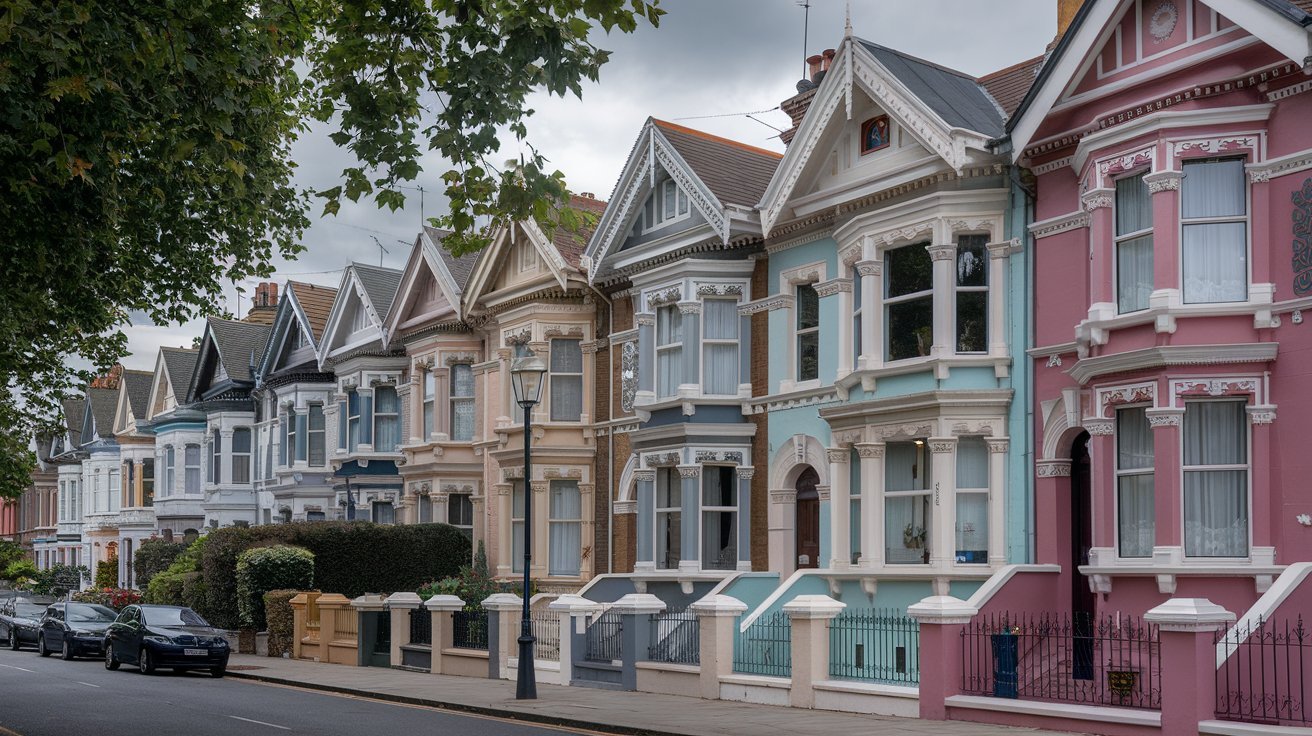
Victorian terraces are Britain’s most beloved and most thermally hopeless houses: solid brick walls, suspended timber floors, single-glazed sashes, and draughts with their own weather systems. When people ask what is the best way to insulate a draughty victorian terrace, they’re usually cold, facing a scary heating bill, and worried about doing something the house will regret.
I live in one — an 1890s terrace in the Midlands — and I’ve spent five years working through the insulation hierarchy. Here’s what actually works, in order of bang-for-buck, and the heritage pitfalls to avoid.
What is the best way to insulate a draughty Victorian terrace? Work top-down
The golden rule: insulate from the top down, because heat rises and the loft is the cheapest win. If your loft has less than 270mm of insulation, topping it up costs £300–£500 and can save £250+ a year — the fastest payback of any measure. While you’re up there, insulate the loft hatch (a shocking heat leak in most houses), lag the pipes and tank, and draught-proof around the eaves. It’s a miserable Saturday’s work that pays for itself in one winter.
Next: the floors. Victorian suspended timber ground floors leak heat into the void below, and insulating between the joists with mineral wool or rigid boards makes a startling difference to comfort — cold floors are half the reason these houses feel chilly. It’s fiddly work (lifting floorboards, supporting the insulation with netting) but very DIY-able at £5–£10 per square metre in materials. Seal the gaps between floorboards too; a tube of flexible filler and an afternoon’s work kills the draughts that whistle up through the boards.
- Loft insulation to 270mm — cheapest win, do this first
- Insulate and draught-proof the loft hatch
- Suspended floor insulation between joists
- Seal floorboard gaps with flexible filler
- Draught-proof doors, windows and the letterbox
Walls: the tricky one
Solid 9-inch brick walls are the Victorian terrace’s thermal Achilles heel, and there’s no cheap fix. External wall insulation (£8,000–£15,000 for a terrace) transforms performance but changes the appearance — a non-starter in conservation areas and on houses where the brickwork is the point. Internal wall insulation (£5,000–£9,000) keeps the exterior intact but eats 100mm+ of room width, requires moving radiators and sockets, and — critically — must be done with breathable materials and proper vapour control, or you’ll trap moisture and create damp.
My honest take after researching this to death: for most Victorian terraces, the money is better spent on everything else first — loft, floors, draught-proofing, windows, heating controls — before touching the walls. If you do insulate internally, use a specialist who understands solid-wall moisture dynamics (not a general builder winging it), consider insulating just the coldest rooms or external walls, and look into the government’s ECO scheme or local grants, which sometimes cover solid-wall insulation for eligible households.
Windows, doors and the draught war
Original sash windows are beautiful and thermally dreadful, but ripping them out is often unnecessary and sometimes illegal in conservation areas. Professional draught-proofing of sashes — brush seals routed into the frames — costs £200–£300 per window, kills the rattles and draughts, and keeps the original glass. Add heavy lined curtains or thermal blinds and you’ve captured most of the benefit of double glazing at a fraction of the cost. Secondary glazing (a discreet internal pane) is the next step up and works brilliantly on street-facing windows.
Then wage war on the small draughts, because they add up to the equivalent of a window left open. Chimneys are the worst offender — an unused open fireplace funnels warm air straight up; a chimney balloon or sheep’s-wool draught excluder (£25–£40) fixes it in seconds. Letterboxes, keyholes, ill-fitting front doors, gaps around pipework: a weekend with draught-proofing strips, brush seals and silicone will make the house feel 2–3°C warmer for under £100. It’s the highest comfort-per-pound spend in the entire house.
Heating controls: the brains of the operation
You can insulate perfectly and still waste money with dumb controls. The hierarchy: a programmable thermostat that matches your actual routine (heating an empty house is the purest waste there is), thermostatic radiator valves on every radiator except the one in the thermostat’s room, and — the upgrade that pays fastest — weather compensation or load compensation if your boiler supports it (many modern boilers do; it modulates output to the actual need instead of blasting on/off). Smart thermostats (Hive, Nest, Tado) earn their £150–200 in homes with irregular routines; in regular-routine homes, a £30 programmable stat does 90% of the job.
The radiator balancing act matters too: in Victorian houses, the radiators nearest the boiler hog the hot water while distant ones stay lukewarm. Balancing — adjusting the lockshield valves so every radiator heats evenly — is a free DIY job (a £5 lockshield key and an hour) that transforms comfort in large houses. And the boiler flow temperature trick from the heating-bills guide applies double here: Victorian radiators are generously sized (they were designed for 80°C flow), so they still heat beautifully at 60°C flow — letting your condensing boiler actually condense and saving 6–8% for a 30-second settings change.
- Programmable thermostat matched to your real routine
- TRVs everywhere except the thermostat’s room
- Balance radiators with the lockshield valves (free, 1 hour)
- Lower boiler flow temperature to 60°C — Victorian rads cope fine
- Smart stats for irregular routines; £30 programmable for regular ones
The Victorian insulation priority order
Loft, floors, draught-proofing, windows, heating controls — then, and only then, think about walls. Most Victorian terraces can be transformed from freezing to comfortable for £2,000–£4,000 without touching the brickwork, and the house stays healthy and handsome.
For the draught battle in detail, stop draughts coming under my front door covers stopping draughts under doors and best energy saving upgrades for an old house ranks energy-saving upgrades for old houses. For grant eligibility and official guidance, the UK government’s energy efficiency guidance and the Energy Saving Trust’s advice are the places to check.
The controls-first philosophy: insulation keeps heat in, but controls decide how much heat you make in the first place. A well-controlled, moderately insulated Victorian terrace routinely out-performs a well-insulated one with the thermostat at 23°C and the heating on all day. Brains beat brawn in heating, every time.