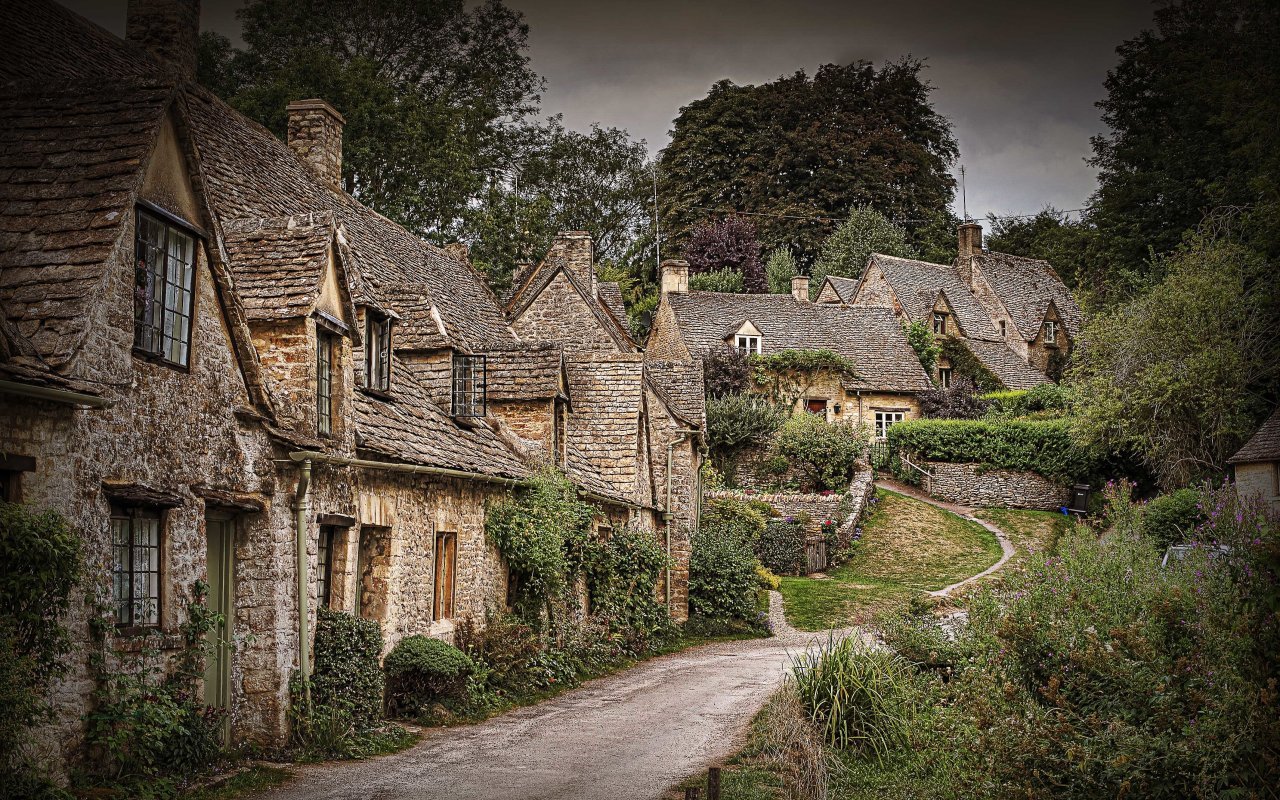
Bibury at 8am is magical. Bibury at 2pm in August is a queue of coaches. The Cotswolds’ famous villages — Bourton-on-the-Water, Stow-on-the-Wold, Castle Combe — are beautiful and famously busy. But the region is 800 square miles, and most visitors cluster in about ten square miles of it. The best hidden gems in the Cotswolds are the villages, walks, and pubs that the coach tours miss — equally honey-stoned, fractionally visited.
The best hidden gems in the Cotswolds: secret villages
- Great Tew. The estate village that time forgot — thatched cottages, no through traffic, a village shop that’s a destination in itself, and the Falkland Arms (a proper thatched pub). It feels like a film set, but people actually live here.
- Coln St Aldwyns. On the River Coln with a Norman church, a village pub (The New Inn), and footpaths in every direction. Everything the famous villages offer, without the crowds.
- Naunton. Deep in the Slaughters valley but bypassed by the tour buses — a sleepy, perfect village with the Black Horse Inn and walks along the River Windrush.
- Snowshill. Above Broadway, with the extraordinary Snowshill Manor and Garden (National Trust — a lifetime’s collection of curiosities in a Cotswold manor). The village itself is tiny and timeless.
- Edgeworth and Bisley. On the western edge, wilder and quieter — Bisley’s ancient churchyard with its well-dressing tradition, and some of the best walking country in the Cotswolds.
- Withington. A few miles from touristy Chedworth, with a superb pub (The Mill Inn, on the River Coln) and the kind of peace the famous villages lost decades ago.
Walks the crowds miss
- The Macmillan Way through the Slaughters. Everyone photographs the Slaughters; few walk between them. The footpath along the Windrush from Lower to Upper Slaughter is a mile of perfect England.
- Chedworth Roman Villa to Coln valley. The villa itself is fascinating (one of Britain’s grandest Roman sites), and the walks from it through the Coln valley are empty and beautiful.
- The Cotswold Way’s quiet sections. The famous trail’s northern stretches (Stanway to Winchcombe) see a fraction of the walkers of the Bath end — same escarpment views, solitude included.
- Woodchester Park. A National Trust “lost landscape” — a valley with a mysterious unfinished mansion, lakes, and waymarked trails. Atmospheric and uncrowded.
- Dover’s Hill. Above Chipping Campden — the views that inspired the Cotswold Olimpicks, and a fraction of the visitors of nearby Broadway Tower.
Pubs, food, and local secrets
- The pubs worth detouring for: The Falkland Arms (Great Tew), The Wild Rabbit (King ham — Daylesford’s pub, excellent), The Ebrington Arms (near Chipping Campden), The Bell at Sapperton (canal-side, Daneway). Book ahead — the secret’s getting out.
- Farm shops that are destinations: Daylesford (the famous one — go on a weekday), the Cotswold Farm Shop, and the tiny honesty-box stalls on country lanes (eggs, honey, veg — bring coins).
- Markets: Stroud’s Saturday farmers’ market (one of England’s best), Tetbury’s markets, the antique hunting in Stow (go early on market day).
- The “wrong” time to visit famous spots: Bibury’s Arlington Row at 7am, Bourton-on-the-Water on a rainy Tuesday in November, Castle Combe at dusk — the famous villages ARE worth seeing, just not at 2pm in August.
The official Cotswolds visitor guide has honest seasonal advice and (usefully) flags which villages have coach parking — avoid those at midday.
Where to stay (quietly)
- Village B&Bs over town hotels. The B&Bs in the quiet villages (£90–£140/night) are cheaper than the famous-town equivalents and the hosts know the secret spots.
- Self-catering in a hamlet. Cottages in the truly small villages cost less and put you on footpaths from the door.
- The pub with rooms. Several of the pubs above have rooms — the ultimate Cotswold experience: walk all day, eat and sleep in the same honey-stone building.
For more quiet-England walking inspiration, our Peak District autumn walks apply the same “famous area, unfamous routes” philosophy, and seeing the Lake District on a budget covers the same crowd-dodging tactics further north.
Gardens and houses the coaches skip
- Rousham House, Oxfordshire (just over the border). Not National Trust, not commercial — one of England’s great 18th-century gardens, barely changed, quietly magnificent. The Cotswolds’ best garden that isn’t in the guidebooks’ top ten.
- Rodmarton Manor. An Arts and Crafts masterpiece, open limited days — check ahead. The garden and house together are a masterclass in the movement.
- Upton House (National Trust). Art deco interiors meets formal gardens, on the quiet eastern edge. Far fewer visitors than the famous houses.
- Sezincote. A Mughal-inspired palace in the Cotswolds — yes, really. Limited opening, utterly unique, and the gardens are gorgeous.
The Cotswolds by season: when the secrets shine
- Spring (April–May): lambs, blossom, bluebells in the beech woods (the commons above Painswick are spectacular), and the villages at their prettiest. The best all-round season.
- Summer (June–early July): long evenings, garden visits, pub gardens — but avoid the famous villages at weekends. September is summer without the crowds.
- Autumn (October): the beech woods turn gold, the light is beautiful, and the tourists have gone. Arguably the finest walking season.
- Winter: misty mornings, fireside pubs, and villages that feel privately yours. The Christmas markets (Cheltenham, Tetbury) are worth a trip alone.
Getting around the quiet Cotswolds
A car helps enormously — the hidden villages aren’t on bus routes. But the walking is the point: base yourself in one village and explore on foot for days. The Diamond Way, the Wardens’ Way, and the countless local footpaths connect the quiet spots. And for cyclists, the lanes are glorious early on summer mornings before the traffic wakes. Whatever you do, don’t try to “do” the Cotswolds in a day from London — it deserves at least a long weekend, taken slowly.
The takeaway
The best hidden gems in the Cotswolds: Great Tew, Naunton, Snowshill, and the Coln valley villages for secret honey-stone beauty; the Slaughters footpaths, Woodchester Park, and the quiet Cotswold Way sections for empty walks; and the pubs and farm shops the coaches miss. Visit the famous villages at 7am or not at all in August — and let the other 790 square miles be your actual holiday.