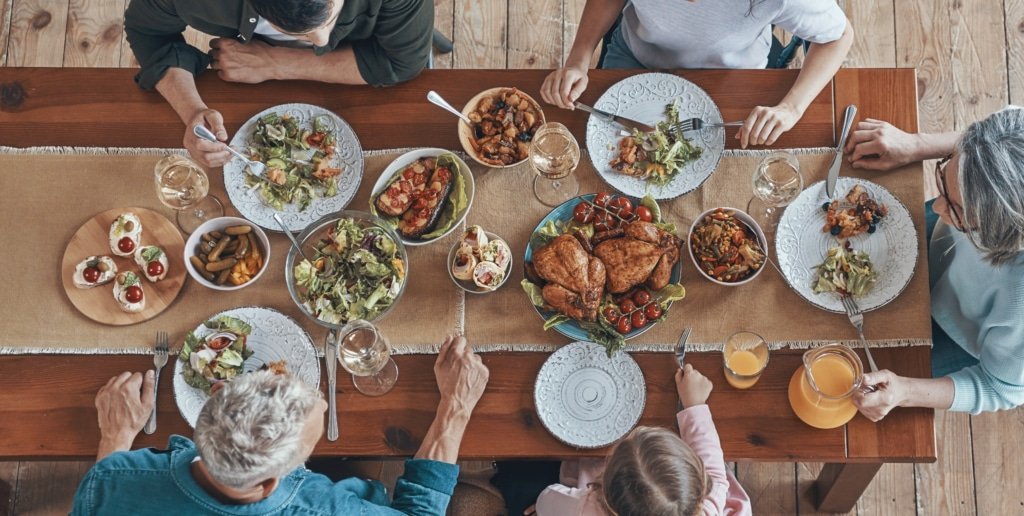
Feeding a family of four well on a tight budget is one of the great domestic skills — and it has nothing to do with deprivation. When people ask what are the best cheap meals to cook for a family of four, they’re usually shocked at how far clever cooking stretches: hearty, proper dinners for under £6 total, the kind kids actually ask for again.
I’ve fed families on £50-a-week food budgets and learned that cheap cooking is really just smart cooking: cheap cuts, pulses, batch cooking, and waste-nothing habits. Here are the fifteen meals that deliver, plus the shopping strategy behind them.
What are the best cheap meals to cook for a family of four? The top 15
The champions all share a formula: a cheap protein or pulse base, bulked with carbs and veg, seasoned boldly. Spaghetti bolognese with half the mince replaced by red lentils (£4.50 for four, nobody notices the lentils); chicken and vegetable curry with coconut milk and rice (£5); sausage and bean casserole (£4 — the beans do the heavy lifting); chilli con carne with extra kidney beans (£4.50); and egg fried rice with whatever veg needs using (£3, the ultimate fridge-clearer). These five alone could rotate for a month.
The next ten: jacket potatoes with chilli or tuna (£3.50); homemade pizza on DIY dough (£4 for four large); sausage pasta bake (£4); lentil dahl with rice and flatbreads (£3 — the cheapest proper dinner there is); chicken stir-fry with noodles (£5); cottage pie with frozen veg (£4.50); bean and cheese quesadillas (£3.50); tuna pasta bake (£4); vegetable soup with crusty bread (£3); and roast chicken thighs with traybake veg (£5 — thighs, never breast, at half the price). Every one scales, reheats, and survives fussy eaters with minor tweaks.
- Spag bol with lentil-stretched mince — £4.50
- Chicken curry with rice — £5
- Sausage and bean casserole — £4
- Lentil dahl with flatbreads — £3
- Egg fried rice (fridge-clearer) — £3
- Jacket potatoes with toppings — £3.50
- Homemade pizza night — £4
- Roast chicken thighs traybake — £5
The shopping strategy
Cheap meals start at the shop, not the stove. The rules: shop with a list built from a weekly meal plan (the plan is the whole game — unplanned shops bleed money); buy frozen veg freely (nutritionally equal to fresh, zero waste, a third of the price); embrace tinned tomatoes, beans, lentils and coconut milk as the cheap-cooking backbone; buy meat in larger packs and freeze portions; and learn your supermarket’s reduction times — most mark down fresh meat and bakery 1–2 hours before closing, often 50–75% off, perfect for the freezer.
Aldi and Lidl genuinely undercut the big four by 20–30% on basics; the quality on staples is excellent. For spices — the difference between bland and brilliant cheap cooking — buy from South Asian grocers or the world-foods aisle, where 500g bags cost what supermarkets charge for 40g jars. And keep a running ‘use it up’ shelf in the fridge: the half onion, the leftover rice, the wilting herbs become tomorrow’s fried rice, soup or frittata instead of bin fodder. Food waste is the hidden tax on food budgets — the average UK family bins £800 of food a year.
Batch cooking: the multiplier
Batch cooking is how cheap meals become effortless meals. Double every recipe above and freeze half in labelled portions — a month of this and you own a freezer full of £1.50 dinners that microwave faster than a takeaway arrives. The best batch candidates: bolognese, chilli, curry, dahl, soup, casserole. Invest in proper freezer containers (£15 for a stack) and a marker pen; mystery frozen blocks get binned, labelled ones get eaten.
The weekly rhythm that works: one big Sunday cook (2 hours, 3–4 batches), one midweek ‘assembly’ meal (quesadillas, fried rice, jacket potatoes — 20 minutes), and the freezer covering the tired days. Kids eat better when dinner’s ready before the hunger meltdown, and you’ll stop reaching for the takeaway menu — which at £25+ a pop destroys more budgets than any grocery bill. Cheap, fast, and genuinely good food isn’t a compromise; it’s just cooking with intention.
Fussy eaters, dietary needs and making it work
Cheap family cooking meets its test at the fussy eater — but the budget meals are actually the easiest to adapt. The deconstructed approach: serve components separately (pasta, sauce, cheese, veg) and let everyone assemble — the toddler eats plain pasta, the teen loads cheese, everyone wins. Spice on the side, not in the pot: cook the base mild, add chilli, hot sauce or extra seasoning at the table. And the ‘try it’ rule beats the ‘clean plate’ rule — one bite, no pressure, repeated exposure. It takes 10–15 exposures for a child to accept a new food; most parents give up at three.
Dietary needs on a budget: gluten-free swaps (rice, potatoes and corn-based pastas are naturally cheap), dairy-free (coconut milk in curries, oat milk in baking — the own-brand versions are fine), and vegetarian family meals (the lentil bolognese and bean chilli from the main list are cheaper than the meat versions anyway). The expensive dietary trap is the specialty aisle — £4 gluten-free pasta, £3 dairy-free cheese. Cook naturally-free meals (curries with rice, chilli with potatoes, stir-fries) instead of buying free-from substitutes, and dietary cooking costs the same as regular.
- Deconstructed serving — components separate, everyone assembles
- Spice on the side; cook the base mild
- One-bite rule, no pressure; 10–15 exposures to acceptance
- Cook naturally-free meals, don’t buy the specialty aisle
- Vegetarian versions are usually cheaper anyway
Feeding four for less
Plan the week, shop the list, stretch meat with pulses, batch-cook doubles, waste nothing. Fifteen proper dinners under £1.50 a portion — proof that the cheapest way to feed a family is also one of the tastiest.
For the full weekly system, meal prep for the whole week on sunday is the meal-prep guide and best one pot meals for students covers one-pot student-style savers. For budget recipe ideas, BBC Good Food’s recipe collection has hundreds, and the NHS Eatwell Guide explains the Eatwell balance.
The family-food truth: the cheapest meals are also the most adaptable — simple components, bold seasoning available, everyone assembling their own plate. Feed the family well for £50 a week and the takeaway becomes the occasional treat it should be, not the budget’s silent killer.