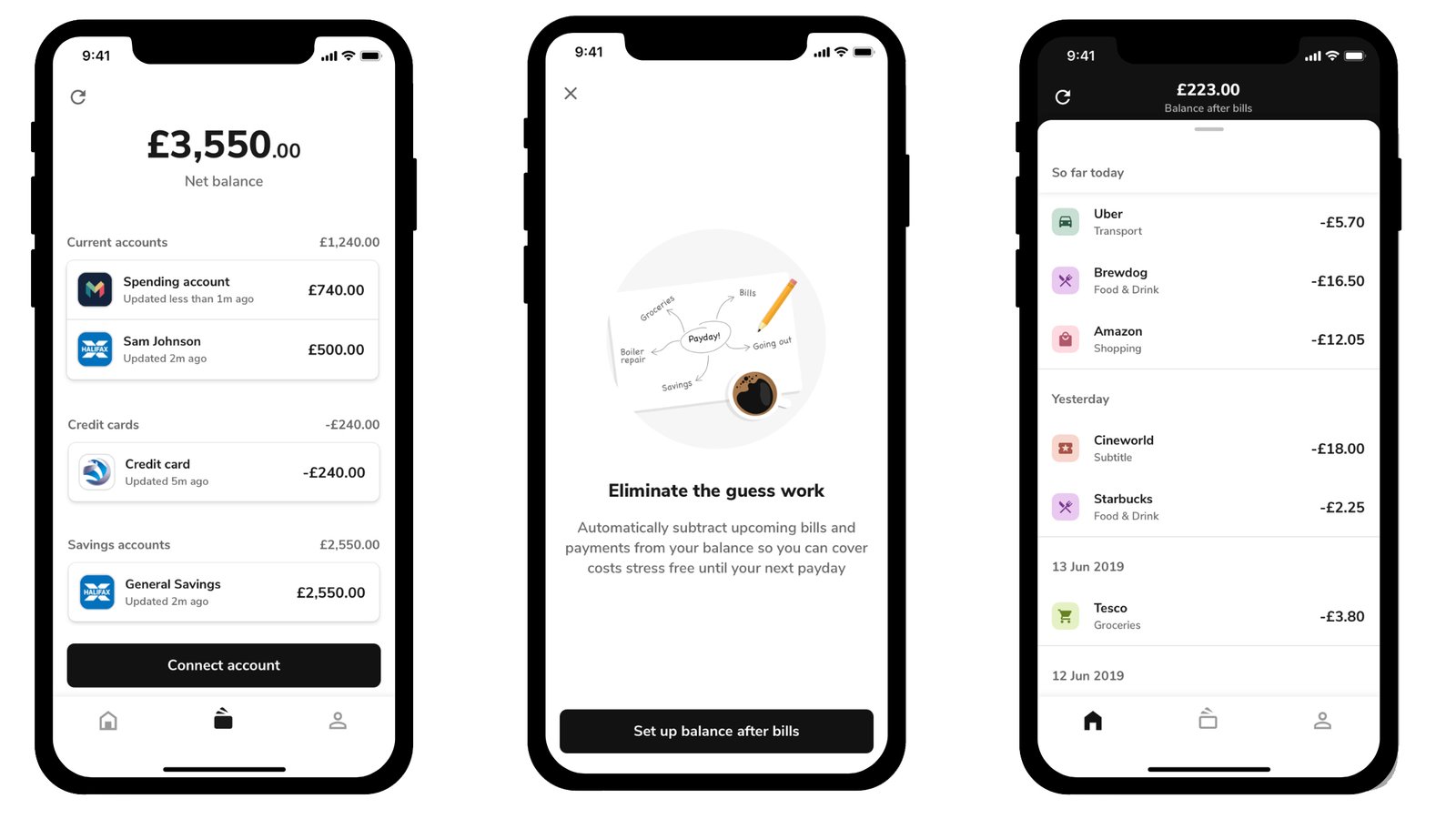
Finding what are the best ai powered budgeting apps in the uk is worth doing properly, because the right budgeting app does something willpower alone rarely manages: it shows you where your money actually goes, without judgement and without effort. I was convinced I “didn’t spend that much on takeaways” until a budgeting app showed me £187 in one month. The number did what years of good intentions couldn’t. AI-powered features make this easier than ever — automatic categorisation, spending predictions, and personalised nudges that feel helpful rather than nagging.
The UK market has matured nicely, with strong options from both dedicated fintechs and the new wave of AI-enhanced tools. Here’s the honest rundown.
What are the best AI-powered budgeting apps in the UK?
The top contenders
- Emma (free + paid): the UK budgeting favourite. Connects all your accounts via Open Banking, auto-categorises spending with AI, detects subscriptions and bill increases, and its “True Balance” shows what you can actually spend. The free tier is genuinely useful; Pro (£4.99–£9.99/month) adds custom categories and deeper insights.
- Plum (free + paid): AI-driven saving rather than just budgeting — its algorithm analyses your spending and automatically sets aside affordable amounts. Great for people who know they should save but never do. Also offers investments for the more ambitious.
- Moneybox (free + paid): rounds up purchases and invests the spare change; AI helps set saving goals. More savings/investment focused than pure budgeting, but excellent for building the habit.
- Monzo / Starling (free, built-in): if you bank with either, their built-in budgeting — spending categories, budgets, salary sorter, and Trends analysis — covers most needs without a separate app. The AI categorisation is among the best.
- YNAB — You Need A Budget (paid, ~£14/month): the cult favourite with a devoted following. Less “AI” than methodology-driven, but its newer features include smart categorisation. Worth the price if you’ll commit to the system; expensive if you won’t.
- Snoop (free): AI-powered money-saving suggestions — it spots where you’re overpaying on bills and suggests switches. Less a budgeter, more a money-optimiser, and a nice complement to the others.
What the AI actually does (and whether it matters)
- Auto-categorisation: the core feature — transactions sorted automatically with high accuracy, learning from your corrections. This is what makes modern budgeting effortless compared to manual spreadsheets.
- Subscription detection: finds recurring charges you’d forgotten — the average UK adult wastes over £300/year on unused subscriptions, and this feature alone often pays for any subscription cost.
- Spending predictions: “at this rate you’ll overspend your food budget by £60” — early warnings beat end-of-month surprises.
- Bill-increase alerts: your broadband went up £4 and you didn’t notice? The app did.
Choosing the right one
Match the app to your problem: don’t know where money goes → Emma or your bank’s built-in tools. Can’t save → Plum’s automation. Overpaying on bills → Snoop. Want a full financial system → YNAB (if you’ll do the work). Start with a free tier for a month — you’ll know quickly whether the insights justify any paid upgrade. All the serious UK options use Open Banking (FCA-regulated, read-only access, revocable anytime), which is far safer than sharing bank passwords.
One caution: these apps see your complete financial picture, so apply our AI privacy checklist — check data retention, sharing policies, and deletion options before connecting accounts. And if budgeting is part of a bigger money overhaul, our guide to finding a better job with AI addresses the income side of the equation.
Beyond the app: the habits that make budgeting stick
Here’s the uncomfortable truth about budgeting apps: they show you the numbers, but they don’t change your behaviour — you do. The app is the mirror; the habits are the workout. The patterns that separate successful budgeters from people who download the app and forget it: one weekly money minute (Sunday evening, glance at the week’s spending — 60 seconds keeps you conscious), automated transfers on payday (savings moved before you can spend them — pay yourself first isn’t a slogan, it’s the whole game), and a 24-hour rule for unplanned purchases over £50 (most “must-haves” evaporate overnight).
The psychology matters more than the spreadsheet. People who budget successfully don’t have more willpower — they have better systems: separate pots for bills vs spending (so the rent money is never “available”), friction on impulse spending (delete saved card details from shopping apps; the 30 seconds of re-entering is enough to break most impulses), and guilt-free spending money (a budgeted amount you can blow without remorse — paradoxically, this prevents the deprivation-binge cycle that kills most budgets).
And if you’re in real difficulty — debt, not just disorganisation — apps aren’t the answer; advice is. MoneyHelper (the government’s free, impartial money guidance service) and charities like StepChange and Citizens Advice offer free debt advice that’s genuinely life-changing. There’s no shame in it — millions of UK households are struggling, and the sooner you get proper advice, the more options you have. Budgeting apps optimise the manageable; professional advice rescues the unmanageable. Know which situation you’re in.
One more habit that multiplies everything: the monthly money date. Once a month — 20 minutes, with your partner if you have one — review the month: what did we spend, what surprised us, are we on track for our goals, what needs adjusting? Make it pleasant (a cup of tea, not a tribunal). Couples who talk about money regularly fight about it less and achieve more; solo budgeters who review monthly stay on track far better than those who set a budget in January and never look again. The app provides the data; the date provides the accountability. Together, they’re the complete system — and twenty minutes a month is all it takes to stay in control of your financial life.
Your practical takeaway
This weekend: download Emma (or check your bank’s built-in budgeting if you’re with Monzo/Starling), connect your accounts via Open Banking, and let it categorise a month of spending. The insights from that first month — the subscriptions, the takeaway total, the bill creep — are worth more than any budgeting advice. Then set one automated saving rule, however small. AI budgeting works not because the AI is clever, but because it removes the effort that made budgeting fail before.