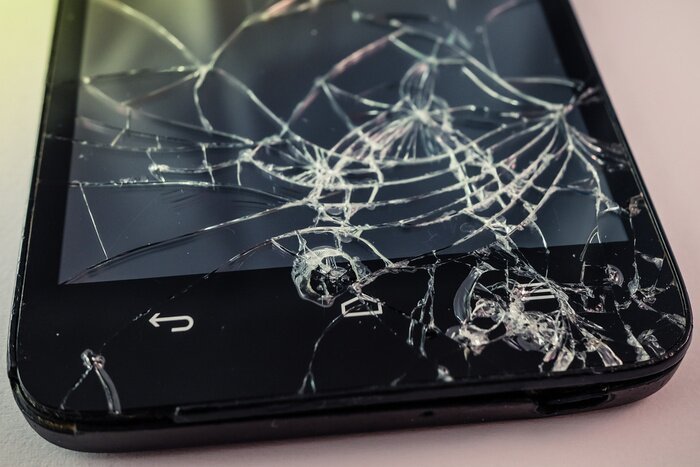
The sound is unmistakable — that sickening little crack as your phone meets pavement, followed by the slow, hopeful flip-over to assess the damage. And there it is: a spiderweb blooming across the corner of the screen. I’ve cracked two iPhone screens in my life, and both times my first question was the same: what’s the repair cracked iPhone screen cost UK reality in 2026, and is it even worth fixing? Here’s the full breakdown, because the answer ranges from “free” to “just buy a new phone” depending on your situation.
Repair cracked iPhone screen cost UK: the official Apple prices
Apple’s out-of-warranty screen repair prices depend on the model, and they’re not cheap:
- iPhone 16 Pro Max / 15 Pro Max: ~£389
- iPhone 16 / 15 / 14 Pro: ~£349
- iPhone 14 / 13: ~£309
- iPhone SE (2022) / older models: ~£169–£199
(Apple tweaks these periodically, so treat them as guide prices — check Apple’s UK repair page for the current figure for your exact model.)
But here’s the thing most people don’t realise: if you have AppleCare+, a screen repair costs just £25 — the excess fee, regardless of model. AppleCare+ itself costs £7.99–£13.49 a month (or a one-off £149–£269 for two years), and it covers two accidental damage incidents per year. If you’re someone who cracks screens regularly — no judgement — AppleCare+ pays for itself with a single repair. It’s the best-value insurance in tech, and hardly anyone buys it until after the first crack. Don’t be that person twice.
The high-street and independent options
Apple isn’t the only game in town, and the alternatives are significantly cheaper:
- Apple Authorised Service Providers (like Timpson’s tech repair counters, now in hundreds of locations): genuine Apple parts, Apple-trained technicians, prices matching Apple’s — but often with same-day service and no appointment faff. For newer models still under AppleCare, this is the sweet spot.
- Independent repair shops: typically £60–£150 depending on model — roughly half Apple’s price. Quality varies enormously: the good ones use high-quality aftermarket screens that look 95% as good as Apple’s; the bad ones fit dim, washed-out panels with dodgy touch response. Ask specifically what grade of screen they fit, and check reviews. A reputable shop will show you the part before fitting it.
- Mail-in services: often the cheapest (£50–£120), but you’re without your phone for days and posting a broken phone feels wrong. Fine as a last resort.
One important caveat for newer iPhones: Apple pairs screens to the specific phone (“parts pairing”), so non-genuine screens may trigger persistent warning messages and lose True Tone functionality. On iPhone 12 and later, an independent repair works but with compromises — factor that into the saving.
When to repair vs when to replace
Do the maths honestly:
- Repair if: the phone is under 3 years old, the battery is still healthy, and the repair costs less than ~40% of the phone’s current second-hand value. A £120 screen on an iPhone 13 worth £300 is a no-brainer.
- Replace if: the phone is 4+ years old, the battery is already struggling, or the repair quote approaches the cost of a refurbished upgrade. There’s no point spending £300 repairing an iPhone 11 when a refurbished iPhone 13 costs £350 — see our refurbished buying guide for the same logic applied to Macs (the principles transfer).
- Check your insurance first: home contents insurance often covers accidental phone damage (minus the excess), and some bank accounts (Nationwide FlexPlus, for instance) include phone insurance as a perk. A £50 excess beats a £300 repair bill.
If you do upgrade, moving everything across is painless — see how to transfer everything to a new phone — and the cracked one still has value: check how to sell your old phone for cash, since even damaged phones fetch money for parts.
Preventing the next one
I know, I know — closing the stable door. But the economics are stark: a decent case (£15–£25) and a tempered glass screen protector (£8 for a two-pack) would have prevented both of my cracks. That’s under £30 of prevention against a £120–£389 cure. The protectors are sacrificial by design — they crack so your screen doesn’t — and replacing one takes five minutes. Also: the back pocket is the enemy. Sit on a phone often enough and even an uncracked screen develops touch issues eventually.
Which? covers phone reliability and repair options in its mobile reviews, including how different brands handle out-of-warranty repairs — useful context if you’re deciding whether to stay with Apple or jump ship.
DIY repair kits: brave or foolish?
YouTube makes iPhone screen replacement look like a ten-minute job, and the kits cost £25–£60 on Amazon. So should you? My honest answer: it depends on the phone’s age and your tolerance for risk. On an iPhone 8 or X that’s already out of warranty and worth £100, a DIY repair is a reasonable weekend project — the kits include tools and step-by-step videos, and the worst case is a phone that was heading for recycling anyway.
On anything newer, I’d think twice. Modern iPhones are glued and sealed to a degree that makes screen replacement genuinely fiddly — one slipped spudger can kill the Face ID sensor (which Apple won’t then fix, even for money, since it’s a security component). You’ll also lose the water resistance rating the moment you break the factory seal, and the parts-pairing warnings mentioned above will nag you permanently. For most people with a phone worth more than £200, the £60–£150 independent shop repair buys professional tools, experience, and someone to blame if it goes wrong. That’s money well spent.
The practical takeaway
Expect £300–£389 at Apple for a recent Pro model, £60–£150 at a good independent shop (with slight compromises on newer phones), or £25 with AppleCare+ — which is why AppleCare+ is worth buying before you need it. Check home or bank-account phone insurance first, do the repair-vs-replace maths honestly on older phones, and then spend £25 on a case and screen protector so you’re not reading this article again next year.