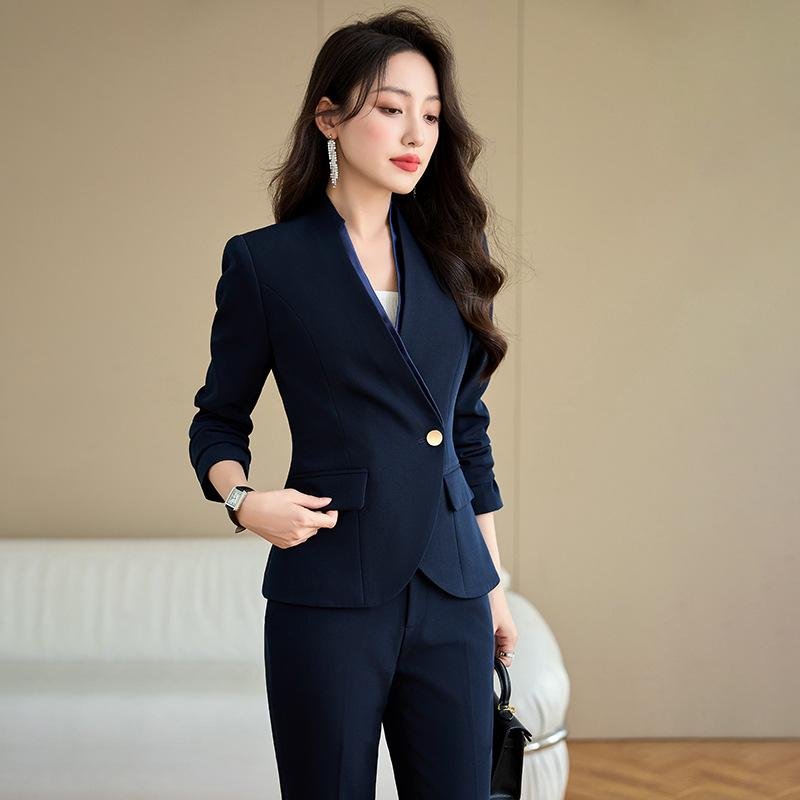
Few garments work as hard as a good blazer. It’s the piece that takes jeans from weekend to dinner, turns a dress into workwear, and makes you look like you tried when you barely did. Learning how to style a blazer for both work and evenings doubles its value — one garment, two lives, endless combinations. Here’s the playbook.
The key insight: the blazer itself doesn’t change between day and night — everything around it does. Master the swaps and one blazer covers your entire social calendar.
Choosing the right blazer (the foundation)
- Colour: navy, black or charcoal for maximum versatility. Navy is the hardest worker — pairs with everything, works day and night.
- Fit: shoulders clean, sleeves showing 1cm of shirt cuff, single button closing without strain. Slightly relaxed (not boxy, not painted-on) suits both contexts.
- Fabric: wool or wool-blend for year-round; linen-blend for summer evenings. Avoid shiny polyester — it cheapens everything.
- Details: patch pockets read casual-cool; flap pockets read classic; minimal branding always.
- Budget: M&S, H&M Premium, & Other Stories (£40–£120) do excellent blazers; Reiss and Whistles (£150–£250) for investment pieces.
How to style a blazer for work
- The classic: blazer + tailored trousers + blouse/shirt + loafers or low heels. The uniform that never fails.
- With a dress: blazer over a sheath or midi dress instantly professionalises it. (See our office wear brand guide for the building blocks.)
- Smart-casual offices: blazer + dark jeans + fine knit + clean trainers or loafers. The blazer does all the “smart” work.
- Keep it polished: crisp layers underneath, minimal jewellery, structured bag. Work blazer = put-together, not flashy.
How to style the same blazer for evenings
The 5-minute transformation — change three things:
- Swap the base layer. Work blouse → silk camisole, lace-trim top, or a fitted black top. Instant evening.
- Swap the bottoms (or don’t). Tailored trousers work for dinner as-is; or switch to leather-look trousers, a slip skirt, or dark jeans for a bar.
- Swap the shoes and accessories. Loafers → heels or heeled boots; minimal studs → statement earrings; work tote → clutch or small crossbody. Hair down, a bolder lip — the grooming shift signals “evening” as much as the clothes.
Evening formulas that work: blazer + slip dress + heels (the blazer adds edge to softness), blazer + black jeans + heeled boots + red lip (effortless), blazer over everything for black-tie-adjacent events where a full gown isn’t required.
The desk-to-dinner kit
Keep at your desk or in your bag: the evening top, statement earrings, a small clutch that fits inside your work bag, and a lipstick. The whole transformation takes five minutes in the office bathroom. This is also where a 10-piece work wardrobe proves its worth — every piece earns double duty.
Blazer care (so it lasts)
- Never machine wash — dry clean sparingly (once or twice a year), brush and air between wears.
- Always use wide hangers; never fold a blazer in a bag if avoidable.
- Steam, don’t iron directly — press through a cloth if you must.
Who What Wear UK regularly features blazer outfit inspiration showing these day-to-night transitions in action.
The blazer fit checklist: 30 seconds in the mirror
Most blazer problems are fit problems. Run this checklist every time you try one on:
- Shoulders: the seam should sit at your shoulder bone — not drooping past it, not pulling inward. This is the one alteration that’s expensive (£30+), so get it right at purchase. Everything else can be tailored; shoulders can’t (economically).
- The button test: button the blazer — it should close without an X of pulling fabric at the button. If it pulls, size up and tailor the rest. A blazer that strains is unwearable; a slightly roomy one is fixable.
- Sleeve length: 1–2cm of shirt cuff showing. Too long looks borrowed; too short looks outgrown. Sleeve shortening is a cheap alteration (£15–£20), so this is fixable — but check the button placement on the cuff first, as moving working buttonholes costs more.
- Length: the hem should cover your seat and hit roughly mid-hip to mid-thigh depending on style. The old “fingertip” rule is outdated, but the blazer shouldn’t end at the waist (that’s a jacket) or past mid-thigh (that’s a coat).
- The hug test: hug yourself — if the back pulls dramatically or you can’t move, it’s too tight across the back. You’ll wear this sitting, driving, reaching; movement matters.
- Lapel check: lapels should lie flat against the chest, not bow outward (gaping = too tight across the bust/chest) or collapse (too big). This is hard to alter — get it right.
Day-to-night: the 5-minute transformation
The blazer is the same; everything around it changes. Work: blazer + shirt/blouse + tailored trousers + loafers + structured bag. Evening: lose the shirt for a silk cami or fine-knit top, swap trousers for dark jeans or a slip skirt, change to heels or heeled boots, swap the work tote for a clutch, add bolder jewellery and a red lip if that’s your thing. The blazer bridges both because it’s structured enough for the office and sharp enough for evening — the transformation is in the supporting cast. Keep a “desk-to-dinner” pouch at work (jewellery, lipstick, the clutch, heel inserts) and the whole switch takes five minutes in the office loos.
Blazers: quick answers
How many blazers do I need? Two: one dark (black or navy) for formal, one in a softer option (grey, camel, or an unstructured style) for casual. Two blazers cover 95% of situations; everything beyond is preference.
Can I wear a blazer with jeans? Yes — it’s the classic smart-casual formula. Dark jeans, no rips, with a well-fitting blazer reads polished, not confused. The blazer sharpens the jeans; the jeans relax the blazer.
Single or double-breasted? Single-breasted is more versatile and easier to wear; double-breasted is sharper but less forgiving (it must fit perfectly). For a first or only blazer, single-breasted, two buttons.
How do I travel with a blazer? Inside out, folded along the seams (the “bundle” method), on top of everything else. Or wear it — the best travel wrinkle prevention is not packing it at all. A steamy hotel bathroom fixes the rest.
Your takeaway: one blazer, two lives
To style a blazer for both work and evenings: invest in a well-fitting navy or black blazer, wear it classically by day, then swap the base layer, shoes and accessories for night. Keep a desk-to-dinner kit handy. It’s the highest-ROI garment in your wardrobe.