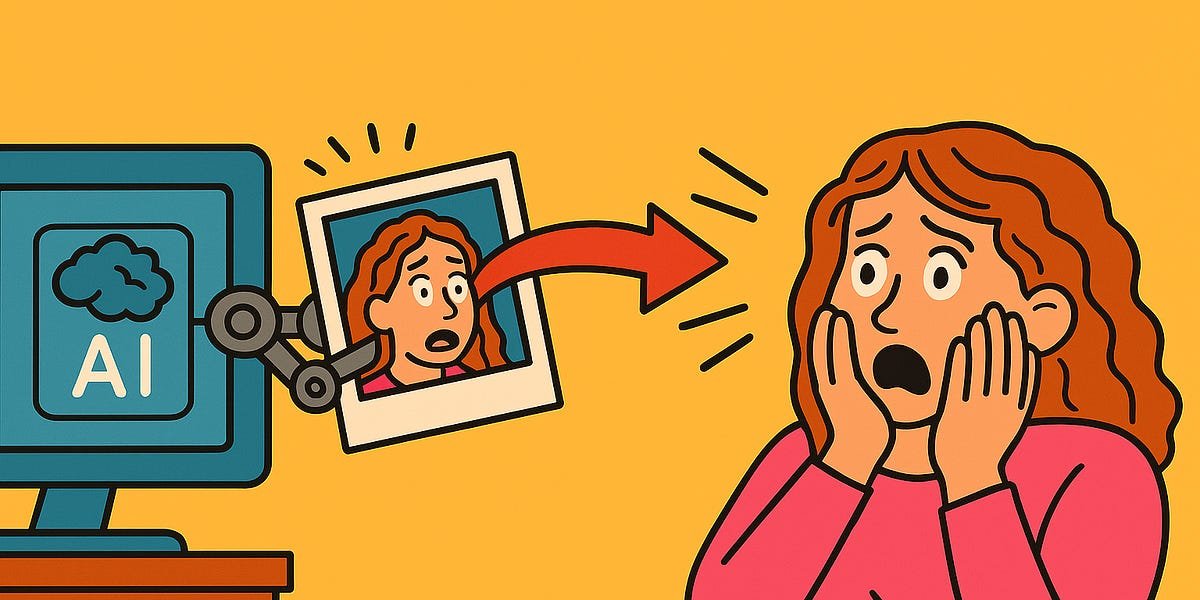
Learning how do I stop ai from using my photos for training matters because your photos are probably training AI models right now — and you never agreed to it, at least not knowingly. Every photo you’ve posted publicly on major social platforms has potentially been scraped into training datasets for image-generation AI. I found this genuinely unsettling when I first understood the scale: billions of images, including family photos, wedding pictures, and kids’ birthday snaps, absorbed into models that can now generate imagery in styles learned from real people’s lives.
The honest framing first: you cannot fully claw back what’s already been scraped. But you can significantly reduce future exposure, exercise your legal rights, and use technical tools that poison the well for scrapers. Here’s the practical playbook.
How do I stop AI from using my photos for training?
1. Lock down where your photos live
Most scraping happens on public social media. The highest-impact moves:
- Set social accounts to private: Instagram, Facebook, TikTok — private accounts dramatically reduce scraping exposure. Review your settings today; platforms periodically reset or complicate them.
- Disable “use my content for AI training” settings: Meta, X, and others have added (often buried, opt-out) settings allowing your content to train their AI. Find them and turn them off. Meta’s is in Settings → Privacy; X’s is in Settings → Privacy and safety → Data sharing. They move these around, so search “[platform] AI training opt out” for current instructions.
- Think before posting publicly: every public photo is scrapable. For family and kids’ photos especially, consider private sharing (shared albums, messaging apps) instead of public posts.
- Watermark valuable work: if you’re a photographer or artist, visible watermarks deter scraping and make unauthorised use traceable.
2. Use technical protection tools
- Nightshade and Glaze: free tools developed by University of Chicago researchers that add invisible perturbations to your images — imperceptible to humans, but they corrupt AI training on those images (Nightshade actively poisons models trained on them). If you’re an artist protecting your work, these are essential.
- Robots.txt and no-AI meta tags: for your own website, the emerging
noaidirectives signal that you don’t consent to AI training scraping. Compliance is voluntary, but it’s the start of a norm. - Spawning.ai / “Do Not Train” registries: opt-out registries where artists register work they don’t want used in training. Limited enforcement so far, but growing industry adoption.
3. Exercise your legal rights (UK)
Under UK GDPR, you have rights that apply here:
- Right to object: you can object to your personal data (including identifiable photos of you) being used for AI training. Submit objections to the AI companies directly.
- Right to erasure: request deletion of your personal data from datasets where feasible.
- Complain to the ICO: the Information Commissioner’s Office is actively investigating AI training-data practices. Complaints shape enforcement.
- Copyright: if you’re the photographer, you hold copyright — AI training on your copyrighted work without permission is legally contested territory, with cases ongoing in UK and US courts.
The legal landscape is evolving fast — what’s grey today may be clearly unlawful tomorrow, and vice versa. Our AI privacy checklist covers the broader principles of evaluating AI tools’ data practices.
4. Protect your children’s photos especially
Kids can’t consent to their images training AI systems. Be extra cautious with children’s photos: private accounts, no public posting of other people’s children without permission, and serious consideration of how much of their childhood exists in training datasets. This pairs with our guide to teaching kids about AI safety.
The bigger picture: consent and the future of training data
Zoom out, and this is really about one of the defining questions of the AI era: who owns the raw material of intelligence? AI companies argue that training on public data is fair use, transformative, and necessary for progress — and that requiring individual consent for billions of images would make AI development impossible. Creators argue that their work is being used commercially without permission or payment — and that “impossible” just means “less profitable”. Both have a point, which is why courts and regulators worldwide are grappling with it.
The emerging consensus points toward opt-out as the minimum, opt-in as the direction. The EU’s AI Act includes transparency requirements for training data; UK courts are hearing cases that will set precedents; and some AI companies are starting to license training data properly, creating a market where creators get paid. It’s messy and slow, but the trajectory favours creators over time — partly because of regulation, partly because AI companies need ongoing relationships with the creative industries, and partly because public sentiment is firmly on the side of consent.
What you can do beyond protecting your own photos: support the organisations fighting for creator rights, favour AI tools that license their training data (your purchasing decisions are votes), and stay informed as the law develops. The norms being set now — in courts, in regulation, in industry practice — will govern creative work for decades. Individual action (your privacy settings, your tool choices) matters; collective action matters more. The future where AI and creators coexist fairly is achievable, but only if creators insist on it.
One more layer of protection worth knowing: supporting the push for better defaults. Individual opt-outs are necessary but insufficient — the real fix is changing the defaults so that consent is required before training, not assumed until you object. This is where regulation, litigation, and collective action come in: the EU AI Act’s transparency requirements, the ongoing court cases over training data, the creator organisations lobbying for opt-in consent. You can contribute by supporting these efforts, choosing tools with ethical data practices, and making your preferences known — to platforms, to representatives, to the market. The norms being established now will govern creative work for a generation. Your voice in that process matters more than any single privacy setting.
Your practical takeaway
This weekend: set social accounts to private, find and disable AI-training opt-ins on every platform you use, and install Glaze/Nightshade if you’re a creator. Longer term: favour private sharing for personal photos, exercise your GDPR rights against the worst offenders, and support the push for opt-in (not opt-out) training consent. You can’t un-scrape the past, but you can starve the future datasets — and collective action here genuinely moves the needle.