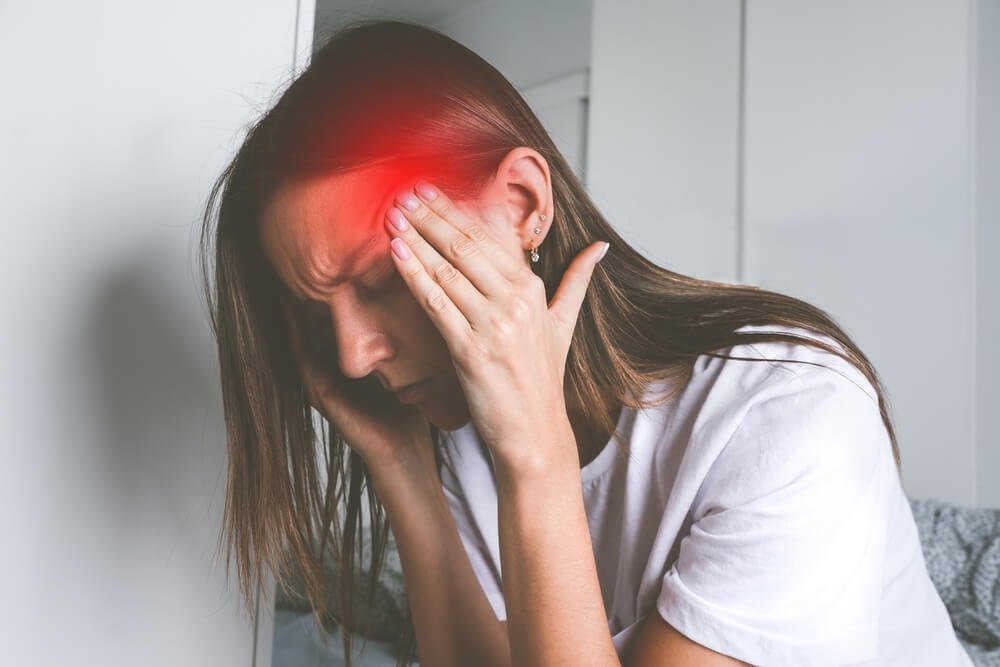
Wondering how do I know if my headache is something serious is one of the most common health anxieties — nearly everyone has had the 3am thought: “is this just a headache, or…?” The reassuring truth first: the overwhelming majority of headaches are benign — tension headaches, migraines, dehydration, eye strain. But a small minority signal something that needs urgent care, and knowing the difference matters. This guide gives you the red flags clearly, without the fear-mongering.
I’m not a doctor and this isn’t medical advice — it’s health literacy. When in doubt, call NHS 111 or your GP. That’s always the right answer for genuine worry.
How do I know if my headache is something serious?
The red flags: seek urgent care (A&E or 999)
- Sudden, severe “thunderclap” headache: the worst headache of your life, peaking within seconds to a minute. This is the classic warning sign for subarachnoid haemorrhage — call 999.
- Headache with neurological symptoms: weakness or numbness on one side, slurred speech, confusion, vision loss, difficulty walking, or fainting. Possible stroke — call 999 immediately (remember FAST: Face, Arms, Speech, Time).
- Headache with fever and stiff neck: especially with rash, light sensitivity, or confusion — possible meningitis. Urgent care.
- Headache after head injury: especially if worsening, with vomiting, confusion, or drowsiness. Get checked.
- New headache over 50: particularly with scalp tenderness, jaw pain when chewing, or vision changes — possible giant cell arteritis, which needs urgent steroids to prevent blindness.
- Headache in pregnancy: especially with visual disturbances, swelling, or high blood pressure — possible pre-eclampsia. Contact your midwife or maternity unit promptly.
- Progressively worsening pattern: headaches steadily getting worse over days/weeks, worse in the morning, or with vomiting — needs GP assessment.
The common (non-serious) types
- Tension headache: the most common — a dull band-like pressure around the head, often from stress, poor posture, or eye strain. Responds to rest, hydration, and over-the-counter painkillers. Our desk posture guide addresses a major trigger.
- Migraine: throbbing, often one-sided, with nausea and light/sound sensitivity, sometimes with aura. Distinctive and diagnosable — if you get these regularly, see your GP; modern migraine treatments are far better than suffering through.
- Dehydration/caffeine: the classic Monday headache — too little water, too much weekend alcohol, or missed coffee. Boring, common, fixable.
- Eye strain: long screen hours without breaks. The 20-20-20 rule (every 20 minutes, look 20 feet away for 20 seconds) helps.
When to see your GP (non-urgent but soon)
- Headaches changing in pattern, frequency, or severity
- Needing painkillers more than 2–3 days a week (medication-overuse headache is real and common)
- Headaches interfering with work or life regularly
- New headaches with other health conditions or new medications
Keep a headache diary for two weeks before your appointment — timing, triggers, severity, what helped. GPs find this enormously useful for diagnosis. Note potential triggers: sleep, stress (see our burnout guide), dehydration, screen time, and diet.
Headache hygiene: the daily habits that prevent most headaches
Most headaches are preventable, and prevention beats treatment every time. The “headache hygiene” checklist that neurologists recommend: hydration (1.5–2 litres daily — dehydration is the commonest reversible trigger; keep water visible at your desk); regular meals (skipping meals drops blood sugar and triggers headaches in susceptible people — the 3pm headache is often really a missed-lunch headache); caffeine consistency (the same amount at the same times daily — it’s the variation that triggers withdrawal headaches, including the classic weekend lie-in headache from a delayed first coffee); screen breaks (the 20-20-20 rule, plus checking your workstation ergonomics and posture); and stress management (tension headaches are stress made physical — regular decompression isn’t indulgence, it’s prevention).
Two more underappreciated triggers: jaw clenching and teeth grinding (bruxism) — often during sleep, causing morning headaches; a dentist can spot the wear patterns and fit a night guard. And medication overuse: using painkillers more than 2–3 days a week can cause daily headaches (medication-overuse headache) — the cruel irony being that the treatment becomes the disease. If you’re in this cycle, talk to your GP or pharmacist about supervised withdrawal; it’s unpleasant for a week or two, then transformative.
Keep the headache diary going even after diagnosis — patterns emerge over months that single appointments miss. Note sleep, stress, foods, weather changes, hormonal cycles, and screen time alongside the headaches. You’re not just collecting data for your GP; you’re learning your own triggers, which is the foundation of prevention. Most headache sufferers who do this seriously cut their headache days significantly within a few months — not through any dramatic intervention, but through the accumulated wisdom of knowing themselves.
One more trigger worth knowing: weather and pressure changes. Many headache sufferers swear their heads predict the weather — and they’re not imagining it. Barometric pressure changes, particularly the drops before storms, trigger headaches and migraines in susceptible people. You can’t control the weather, but you can use the knowledge: if pressure-drop headaches are your pattern, be extra diligent about the other triggers (hydration, sleep, stress) when a storm’s coming, and have treatment ready early rather than waiting for the headache to peak. It’s one of those triggers that’s validating to identify — you’re not imagining the connection, and managing around it is legitimate prevention.
And a final reassurance for the 3am worriers: the odds are overwhelmingly in your favour. The vast majority of headaches — including most severe, scary-feeling ones — are benign. Migraines can be utterly miserable and completely non-dangerous. Tension headaches can feel alarming and mean nothing. The red flags in this guide exist so you know when to act, not so you worry about every headache. Learn the flags, trust the statistics, use NHS 111 for the uncertain moments, and otherwise get on with the very effective business of prevention. Your head will thank you — probably with fewer headaches, which is the best thank-you there is.
Your practical takeaway
Memorise the red flags above — thunderclap onset, neurological symptoms, fever with stiff neck, post-injury worsening — and treat those as emergencies without hesitation. For everything else: hydrate, rest, try simple painkillers, and track the pattern. See your GP for changing, frequent, or disruptive headaches. And at 3am, when anxiety amplifies everything: the statistics are overwhelmingly on your side, but NHS 111 exists precisely for the “I’m not sure” moments. Use it — that’s what it’s for. The NHS headache pages have the full authoritative guidance.