You’re squinting at motorway signs. You’re holding restaurant menus at arm’s length like a stereotypical grandad. Your eyes feel tired by 8pm. But do you actually need glasses, or would a simple eye test sort you out? It’s a question millions of Brits put off for years — usually until the squinting becomes undeniable.
Here’s the short answer: you won’t know until you have the test, and the test itself is quick, painless and often free. But there are clear signs that point toward needing glasses, and understanding them helps you stop second-guessing yourself.
Signs you probably need glasses
- Blurry distance vision. Road signs, TV subtitles and whiteboards are fuzzy while close-up things are fine — the classic sign of short-sightedness (myopia).
- Blurry near vision. The reverse: you can see across the street perfectly but menus, phones and books need to be held further away. This is long-sightedness (hyperopia), or presbyopia if it arrived around your mid-40s.
- Headaches, especially after screens or reading. Your eye muscles are working overtime to compensate — the strain shows up as frontal headaches or tired, achy eyes by evening.
- Squinting to see clearly. If people keep asking why you’re screwing up your face at the departure board, that’s your answer.
- Halos or glare around lights at night. Oncoming headlights becoming starbursts can indicate astigmatism (or just that you need an updated prescription).
- Needing brighter light to read. A gradual change many people blame on “bad lighting” for years.
- Rubbing tired eyes constantly or losing your place when reading.
If several of these sound familiar, you’re very likely to leave an eye test with a prescription. But — and this matters — some of these symptoms can also signal eye conditions that glasses won’t fix, which is exactly why the test matters more than the glasses.
Why the eye test matters even when your vision seems fine
A UK eye test (usually 20–30 minutes) does far more than check whether you can read letters. The optometrist examines the health of your eyes: eye pressure (glaucoma check), the retina and optic nerve, and signs of cataracts or macular degeneration. Crucially, eye tests can spot early signs of wider health issues — high blood pressure, diabetes and even some neurological conditions first show up in the eyes.
The NHS recommends an eye test every two years (more often if advised). And here’s the bit many people don’t know: eye tests are free for under-16s, under-19s in full-time education, over-60s, people with certain medical conditions like diabetes or glaucoma, and anyone on qualifying benefits. Everyone else typically pays £20–£30 at high-street opticians — Specsavers, Boots and Vision Express run frequent promotions. The NHS page on free NHS eye tests and optical vouchers lists exactly who qualifies.
If cost is the barrier, don’t let it be: some sight-test fees are cheaper than a takeaway, and optical vouchers help with the cost of the glasses themselves.
What happens at the appointment
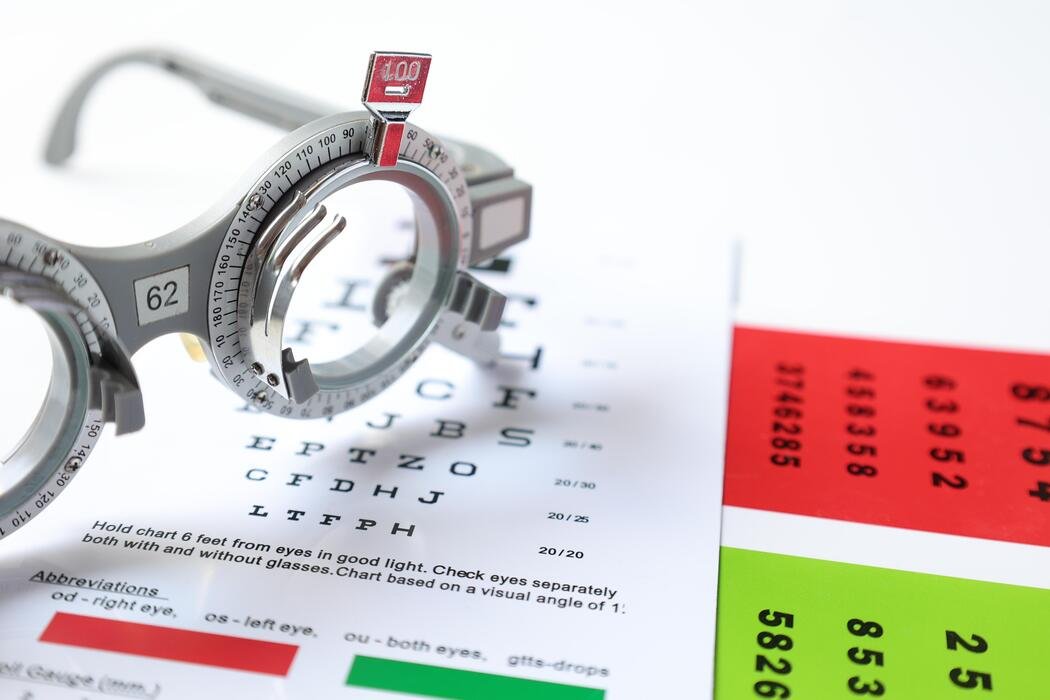
Nothing scary. You’ll read letters off a chart, look through a series of lenses (“better with one or two?”), have a puff-of-air or blue-light pressure check, and get your retinas photographed or examined with drops-free imaging. Then the optometrist explains your prescription in plain English. If your vision is fine, they’ll simply tell you — no upsell, and you walk out reassured. If you do need glasses, there’s genuinely no obligation to buy them there; you can take your prescription elsewhere.
One practical tip: if you end up needing specs, choosing frames that suit you makes the whole thing feel like an upgrade rather than a defeat. Our guide on choosing glasses frames for your face shape will save you from the changing-room dither.
Contact lenses instead?
Worth asking about at the test. Daily disposables now start around £15–£25 a month, they’re far more comfortable than the lenses of twenty years ago, and many people use both — lenses for sport and socialising, glasses for everything else. Your optometrist can advise whether your prescription suits them.
Red flags: when it’s not “just glasses”
Book an urgent appointment (or A&E for the sudden ones) if you experience: sudden vision loss or blurring in one eye, flashing lights with new floaters, eye pain, double vision, or a dark shadow spreading across your vision. These can indicate retinal detachment, acute glaucoma or stroke — genuinely time-critical. Which? has a useful guide on buying glasses and what to expect, but for symptoms, the NHS and your optometrist come first.
Glasses on a budget: where the money goes
The eye test itself is cheap or free — it’s the glasses where costs spiral. Understanding the pricing helps you spend wisely rather than just spending less.
The test. Free in Scotland for everyone; in England, Wales and NI it’s free if you’re under 16, over 60, on certain benefits, or have specific conditions — otherwise £20–£30 at high-street opticians. Many run “free test with glasses purchase” offers, which is fine as long as you actually need glasses.
Frames. High-street ranges start around £25–£45 including basic lenses (Specsavers, Boots Opticians). Designer frames (£100+) are paying for the name — the hinges and materials are often identical to mid-range. Online (Glasses Direct, Firmoo) can halve the price if you have your prescription, though varifocals are better fitted in person.
The lens upsell gauntlet. This is where £60 glasses become £260. Thinning (worth it for strong prescriptions), anti-scratch (usually included anyway), anti-reflective coating (genuinely useful, especially for night driving and screens), blue-light filter (evidence is thin — nice to have, not essential), and varifocals vs bifocals (varifocals cost more but most people adapt fine). Ask the optician which extras matter for your prescription and lifestyle, not in general.
The two-pair trick. If your prescription is straightforward, get your main pair fitted properly in-store, then order cheap spares online (£15–£30). Sunglasses with prescription lenses are worth considering too — clip-ons are fine, but proper prescription sunglasses get worn far more.
And keep the prescription (you’re entitled to a copy). It’s yours, not the optician’s — having it lets you shop around instead of being locked to whoever did the test.
Your takeaway: just book the test
If you’re squinting, getting headaches or holding things at arm’s length, you probably need glasses — but only an eye test confirms it and rules out anything more serious. It’s quick, often free, and available on every high street. And if you’re due your general health MOT too, here’s how to prepare for your first NHS health check. Stop guessing; book it this week.