
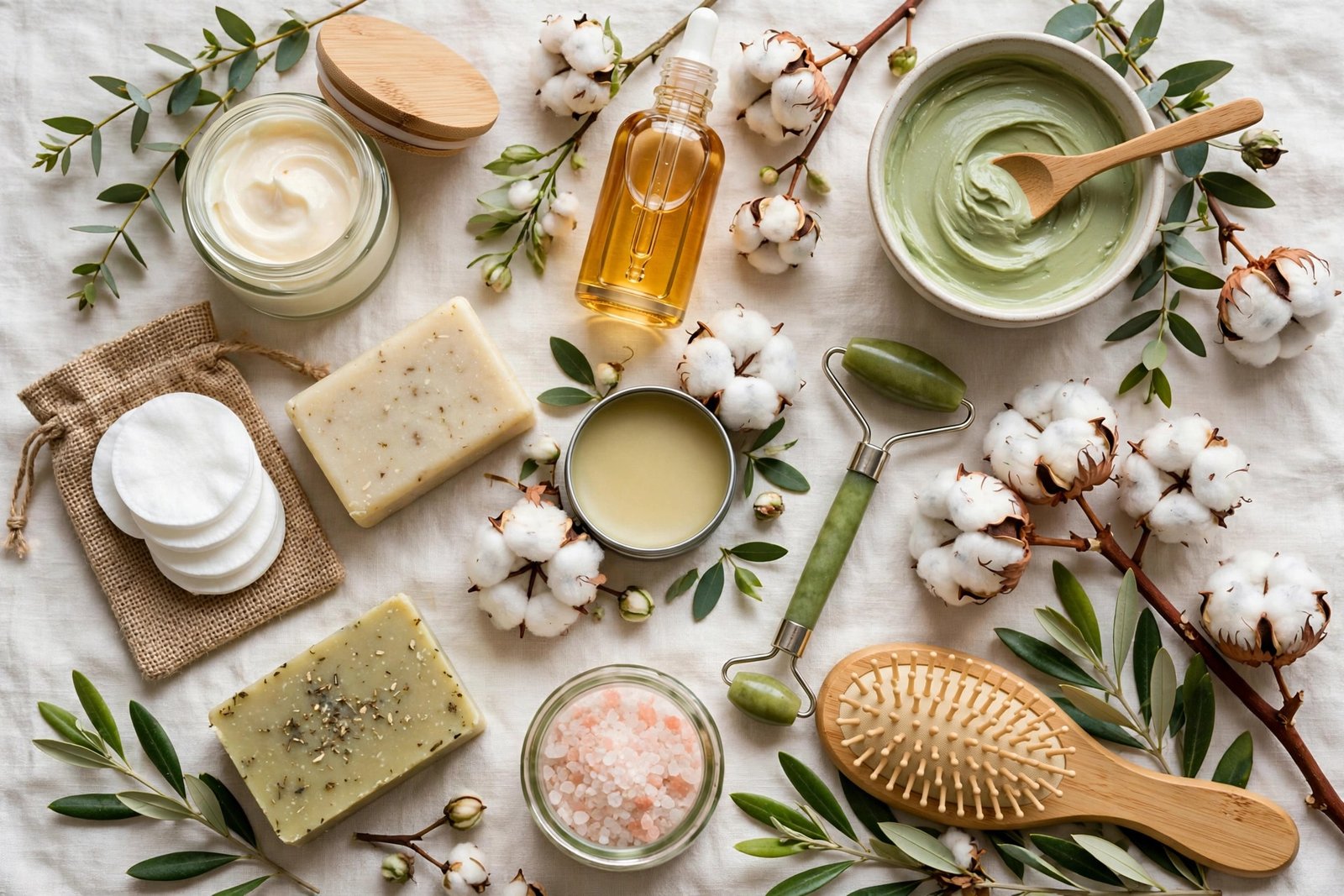
“Not tested on animals” on a UK beauty label sounds definitive. It is not — the claim is a maze of legal loopholes, parent-company contradictions and certification logos that mean very different things. Meanwhile, genuinely cruelty-free beauty has never been better: high-performing, widely available and often cheaper than the conventional alternatives. Here is how to navigate cruelty-free beauty in the UK without wasting money on brands that do not deserve your trust.
What “Cruelty-Free” Actually Means (and Doesn’t)
In the UK, testing finished cosmetic products on animals has been banned since 1998, and the EU/UK ban on animal-tested cosmetic ingredients dates to 2013. So why does the label still matter? Because brands selling in markets where animal testing is required by law (notably China, until recent reforms allowed exemptions for ordinary cosmetics) may still test there. A brand can be “cruelty-free in the UK” while testing elsewhere — the label claim is geography-dependent unless the brand’s policy is global.
The meaningful distinctions: cruelty-free (no animal testing of products or ingredients, anywhere, by anyone in the supply chain), vegan (no animal-derived ingredients — a separate issue; a product can be vegan but tested on animals, or cruelty-free but contain beeswax), and parent company status (a cruelty-free brand owned by a conglomerate that tests other brands — your money ultimately flows upward). Decide where you draw each line personally; the guide below gives you the tools to verify any brand against your own standards.
How to Verify a Brand: The 60-Second Check
Do not trust front-of-pack claims — verify against independent certification:
- Leaping Bunny (Cruelty Free International): the gold standard. Requires brands to prove no animal testing anywhere in the supply chain, with ongoing independent audits. The logo on pack is the strongest signal available.
- PETA’s Beauty Without Bunnies: a useful list, but self-certified by questionnaire rather than audited — weaker than Leaping Bunny.
- Choose Cruelty Free (Australia): another solid independent certifier recognised internationally.
No logo? Check the brand’s animal-testing policy page for three explicit statements: no testing of finished products, no testing of ingredients, and no testing by third parties or in any market — including where required by law (the honest brands state they simply do not sell where testing is mandated). Vague statements (“we are committed to ending animal testing”, “we do not test except where required by law”) are red flags. The Cruelty Free International database lets you search brands directly.
Building a Cruelty-Free Routine Without Overspending
The myth is that cruelty-free costs more. The reality: some of the UK’s best-value skincare and cosmetics are Leaping Bunny certified — the budget revolution in beauty over the past decade was substantially driven by cruelty-free brands. High-street and supermarket own-brands increasingly carry certification, and independent cruelty-free labels compete aggressively on price.
Build the routine in priority order rather than replacing everything at once (wasteful and expensive): start with daily-use products — cleanser, moisturiser, sunscreen — where your purchase volume is highest and your impact greatest. Then colour cosmetics as they run out. This phased approach spreads cost and avoids the cupboard clear-out guilt. The same conscious-consumption thinking applies across your wardrobe — sustainable clothing brands in the UK and building a capsule wardrobe follow the buy-less-but-better principle, and styling second-hand clothes extends it further.
Traps and Greenwashing
- “Against animal testing” without certification: sentiment is not policy. Without independent auditing, it is marketing.
- The China question: ask directly whether the brand sells in markets requiring animal testing. Post-2021 reforms exempted ordinary cosmetics in China from mandatory testing, but special-use products may still require it — the details matter.
- “Vegan” as a cruelty-free proxy: vegan means no animal ingredients, not no animal testing. Check both claims separately.
- Limited-edition loopholes: some brands keep core ranges cruelty-free while collaborations or new-market launches involve testing. Policies can change — recheck periodically.
- Ingredient suppliers: Leaping Bunny’s supply-chain requirement exists because brands can outsource testing to suppliers. Uncertified “cruelty-free” claims often stop at the brand’s own lab door.
When Cruelty-Free Gets Complicated
Honest complications deserve honest treatment. Medical and pharmaceutical products require animal testing by law — nobody suggests skipping prescribed medication, and cruelty-free principles have always distinguished cosmetics (a choice) from medicine (a necessity). Household cleaning products have weaker regulation than cosmetics — the same verification approach applies if you extend your ethics there. And perfection is impossible: supply chains are global, certifications have limits, and the goal is meaningful reduction of demand for animal testing, not personal purity. Choose the battles with the biggest impact — your daily skincare and cosmetics volume dwarfs occasional purchases — and do not let the perfect be the enemy of the good.
The Law Behind the Labels
Understanding the legal backdrop makes the labels legible. The UK bans animal testing of finished cosmetic products and, following the EU cosmetics regulation retained in UK law, of cosmetic ingredients — which is why “not tested on animals” can legally appear on products that were never tested here. The complexities arise at the borders: ingredients also used in non-cosmetic industries (pharmaceuticals, chemicals) may be tested under separate regulations like REACH, creating the grey areas that certifications like Leaping Bunny exist to navigate. The government’s guidance on animals in research sets out where testing remains legal and the 3Rs principle (replace, reduce, refine) governing it.
This legal patchwork is exactly why independent certification matters more than label claims: the law sets a floor, but only audited supply-chain standards verify what happened beyond UK borders. When a brand says “we comply with all regulations”, it is saying the minimum — the Leaping Bunny asks for the maximum. Knowing the difference turns you from a label-reader into an informed buyer, which is rather the point of the whole exercise.
Conclusion
Choosing cruelty-free beauty in the UK is a verification task, not a shopping task: look for the Leaping Bunny logo, read policy pages for the three explicit no-testing statements, remember vegan and cruelty-free are separate claims, and build your routine in priority order to avoid waste. The products are excellent, the prices are competitive, and the information to verify any brand is free. The bunnies on the packaging only mean something if you check what is behind them — now you know how.
Frequently Asked Questions
Is all UK beauty cruelty-free by law?
No. The UK bans animal testing of cosmetics here, but brands selling in markets where testing is legally required may still test there. “Not tested on animals” without global scope or certification can be misleading.
What is the most reliable cruelty-free certification?
The Leaping Bunny (Cruelty Free International) — it requires independently audited proof of no animal testing anywhere in the supply chain. PETA’s list is useful but self-certified.
Does cruelty-free mean vegan?
No — they are separate claims. Cruelty-free means no animal testing; vegan means no animal-derived ingredients. A product can be one without the other; check both if both matter to you.
Are cruelty-free products more expensive?
Not inherently — many certified cruelty-free brands are among the UK’s best-value options. Price reflects positioning and marketing, not ethics.
What if my favourite brand is owned by a company that tests?
That is a personal line to draw. Some consumers accept cruelty-free subsidiaries as progress; others boycott parent companies entirely. Decide your own standard and apply it consistently.


