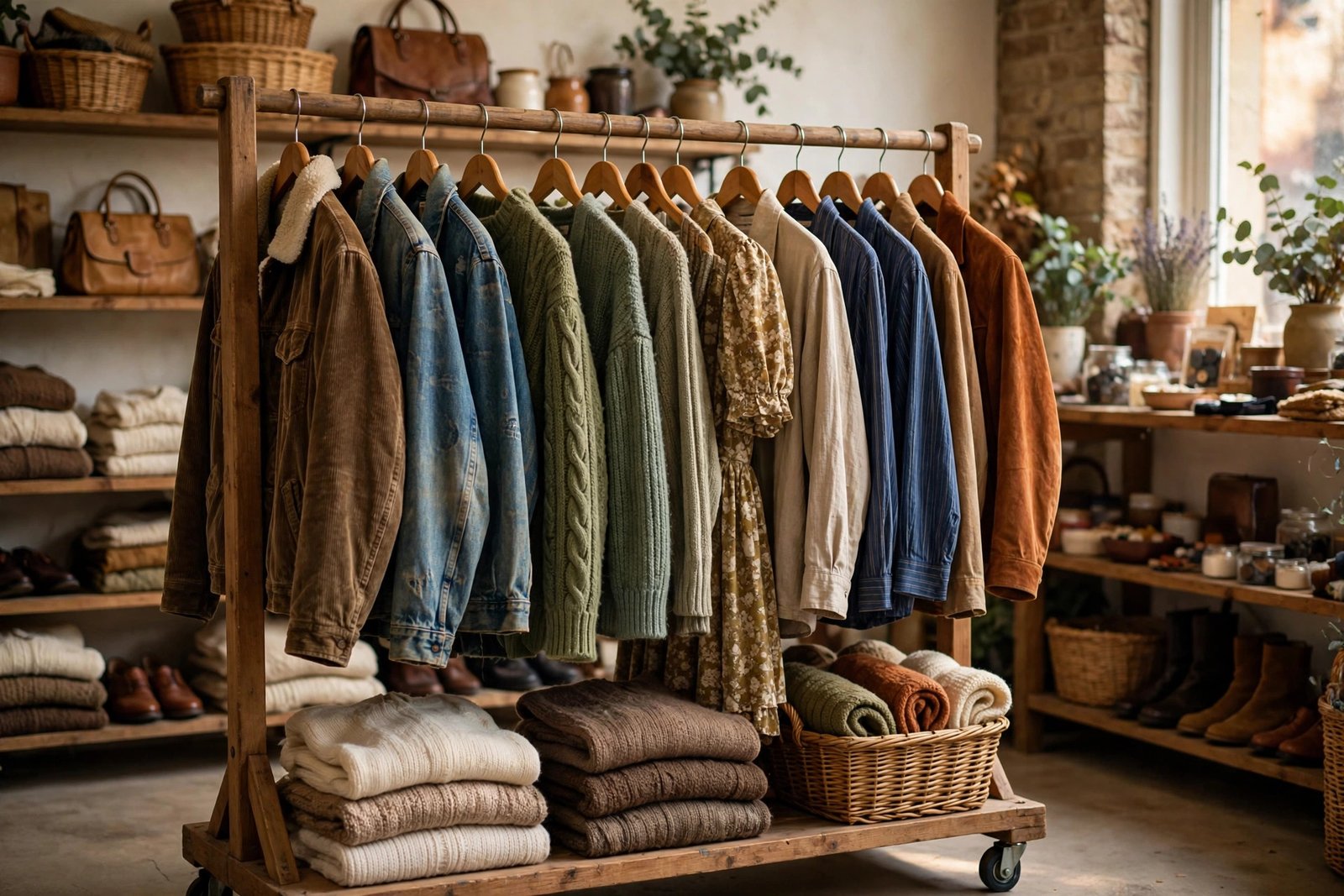
There has never been a better time to buy secondhand in Britain — and never a more confusing one. Vinted’s UK user base has exploded past 16 million, charity shops are having a renaissance, and “pre-loved” has gone from euphemism to selling point. Yet the question lingers: should you start choosing secondhand over new now, or wait — for better platforms, better quality control, better prices? The market has matured enough that the answer is clear, but the how has subtleties worth understanding. This guide covers the economics, the environmental maths, the quality question, and the categories where secondhand wins outright versus the few where new still makes sense.
Why Now: The Market Has Tipped
Three things changed in the last five years. Supply exploded: the pandemic clear-outs, the cost-of-living squeeze and the normalisation of resale apps flooded the secondhand market with quality stock — including near-new items with tags. Friction collapsed: Vinted’s buyer-protection and simple listing flow, eBay’s authentication programmes, and the sheer density of charity shops mean buying secondhand is now nearly as convenient as buying new. Stigma inverted: among under-35s, secondhand is now often cooler than new — unique, sustainable, savvy. The social headwind that once held resale back has become a tailwind.
Waiting for “better” means waiting for improvements to a market that already works. The platforms will keep evolving, but the core proposition — quality goods at 30–70% off, with near-zero environmental cost — is mature now.
The Economics: What Secondhand Actually Saves
The discounts are substantial and category-dependent:
- Clothing: 50–80% off retail for high-street brands; 60–90% for designer. A £120 pair of barely-worn boots for £25 is routine on Vinted.
- Furniture: 60–80% off — solid wood furniture, which outlasts flat-pack by decades, goes for a fraction of its value on Facebook Marketplace and in charity furniture shops (British Heart Foundation’s furniture stores are excellent).
- Children’s gear: 70–90% off — kids outgrow things before wearing them out; the secondhand kids’ market is the most rational market in existence.
- Books, DVDs, games: 70–90% off — charity shops and CEX.
- Bikes: 40–60% off for quality used — the sweet spot, since good bikes last decades.
- Electronics: 30–50% off refurbished (Apple Refurbished, Back Market) with warranties — the safe way to buy used tech.
A household shifting 30% of its discretionary spending to secondhand typically saves £500–£1,500 a year — and gets better-made goods into the bargain, since older items were often manufactured to higher standards.
The Environmental Maths
Every secondhand purchase displaces new production — which is where ~70% of most products’ environmental footprint sits (manufacturing, materials, shipping). Extending a garment’s life by 9 months cuts its footprint ~30% (WRAP); buying the furniture secondhand avoids the entire manufacturing footprint. The UK bins ~350,000 tonnes of clothing yearly; the secondhand market is the most direct intervention available to any consumer. Unlike recycling (downstream, partial), reuse is upstream prevention — the waste never gets created.
Where Secondhand Wins Outright
Always buy secondhand first: children’s clothes and equipment, books, solid-wood furniture, bikes, musical instruments (guitars and pianos improve with age; the used market is superb), formalwear and occasion outfits (worn once, sold for 20%), garden tools, and vintage/unique clothing where new equivalents don’t exist. Styling secondhand clothes to look modern destroys the frumpy myth, and looking stylish on a budget is largely a secondhand skill.
Where New Still Makes Sense
Honesty requires the exceptions: safety-critical items (car seats — unknown crash history; climbing gear; helmets — invisible damage), mattresses and bedding (hygiene, and you spend a third of your life on them — though nearly-new guest-room mattresses are a grey area), underwear and swimwear (obvious), items with no meaningful secondhand market (consumables, personal care), and things where the warranty matters more than the discount (major appliances — though refurbished with warranty splits the difference). The rule: secondhand by default, new by exception, with the exceptions being safety, hygiene and warranty — not habit.
The Quality Question: Buying Well Secondhand
The skill is assessing condition remotely and quickly: check seller ratings and review counts; demand real photos (not stock images) including flaws; ask the three questions (why selling? any damage? smoke/pet-free home?); know the retail price to judge the discount; for clothes, learn your measurements (sizes vary by era and brand — a tape measure beats size labels); for furniture, check joints and drawers (dovetails and solid backs signal quality); for electronics, buy refurbished-with-warranty, not used-as-seen. Meet in public for Marketplace pickups, pay via the platform (never bank transfer to strangers), and know each platform’s return policy before you need it.
Conclusion: Now, Obviously
Should you start choosing secondhand over new now or wait? Now — the market is mature, the stock is abundant, the platforms protect buyers, the stigma is gone, and every month of waiting is a month of paying full price for things available at 70% off. Start with one category this week — the kids’ next clothes shop, the bookshelf, the furniture hunt — and let the savings and the quality convert you. The most sustainable, most economical product is the one already made. It is sitting in a charity shop three streets away, waiting for someone sensible to claim it.
Frequently Asked Questions
Is Vinted safe to buy from?
Generally yes with platform protections: pay through Vinted (never off-platform), check seller reviews, inspect photos carefully, and use the reporting system for problems. Buyer protection covers items not as described. As with all marketplaces, the rare scams target off-platform payments — keep transactions inside the app.
Are charity shops still cheap?
Mostly, though pricing has crept up as demand rose — designer finds are now priced closer to market. The best value remains in everyday items: books (£1–£2), children’s clothes, kitchenware, and furniture. Go midweek for fresh stock, and remember Gift Aid on donations funds the charity’s work. The Charity Retail Association lists member shops by area.
What sells best secondhand if I want to declutter?
Branded clothing in good condition, children’s bundles, working electronics, solid furniture, bikes, and books in sets. Photograph well, price at 30–50% of retail for quick sales, and bundle small items. The average UK home contains thousands of pounds of resellable goods — the “one in, one out” rule funds itself.
How do I avoid buying secondhand junk?
The condition checklist: real photos, seller history, the three questions, and knowing the new price. For clothes, check seams, zips, armpits and crotch (stress points); for furniture, wobble-test joints; for bikes, check frame integrity and gear function. For clothes, inspect seams, zips and the high-stress areas (underarms, crotch, pocket corners) where wear shows first — five seconds of checking avoids most disappointments. And if you sell as well as buy, photograph everything in daylight against a plain background: good photos sell items twice as fast, and each listing takes about five minutes. When in doubt, charity shops let you inspect in person — the original try-before-you-buy.
Does buying secondhand really help the environment?
Yes — reuse displaces new production, avoiding ~70% of a product’s lifecycle footprint, and extends the useful life that amortises the manufacturing impact. WRAP’s research quantifies it: 9 extra months of clothing life = ~30% footprint reduction per garment. It is among the highest-impact consumer actions available, per pound spent (which is nearly nothing). The WRAP charity publishes the full evidence base.