Old houses — Victorian terraces, 1930s semis, stone cottages — are beautiful and thermally sieve-like. When people ask what are the best energy saving upgrades for an old house, they want the priority order: what to do first, what pays back fastest, and what’s an expensive distraction.
I’ve spent five years upgrading a draughty 1890s terrace and tracking every bill. Here’s the definitive ranking, from the £100 wins to the £15,000 decisions, with honest payback times.
What are the best energy saving upgrades for an old house? The priority order
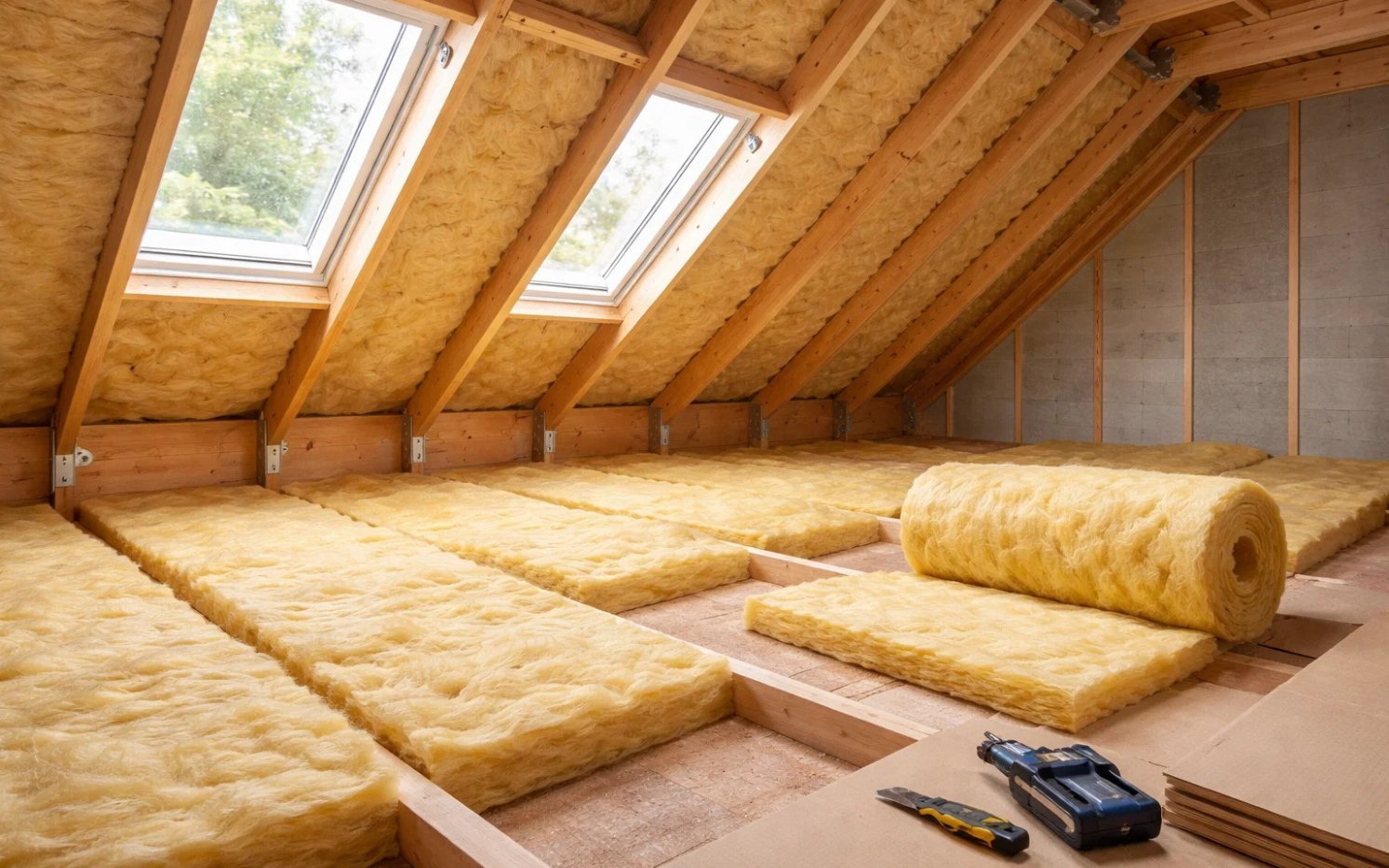
Tier one — do these first, payback under 3 years: top up loft insulation to 270mm (£300–£500, saves £250+/year), draught-proof everything (£100–£200 DIY, saves £120+/year), lower the boiler flow temperature (free, saves 6–8%), fit thermostatic radiator valves if missing (£300–£500 fitted, saves £75+/year), and insulate the hot water cylinder and pipes (£50, saves £70/year). This tier costs under £1,500 total and routinely cuts bills 20–25%. It’s unglamorous and it’s the best money in home energy.
Tier two — payback 3–10 years: floor insulation for suspended timber floors (£800–£1,500, big comfort gain), upgrade to a modern condensing boiler if yours is 15+ years old (£2,500–£3,500, saves £200–300/year over an ancient non-condensing unit), secondary glazing or draught-proofed sashes (£200–400/window), and smart heating controls that zone the house (£200–£400). Tier three — the big decisions: solid wall insulation (£8,000–£15,000, payback 15–25 years but transforms comfort), heat pumps (£7,000–£13,000 after the £7,500 Boiler Upgrade Scheme grant), and solar panels (£5,000–£8,000, payback 8–12 years at current prices).
- Tier 1 (<3yr payback): loft insulation, draught-proofing, boiler flow temp, TRVs
- Tier 2 (3–10yr): floor insulation, new boiler, secondary glazing, smart controls
- Tier 3 (big decisions): wall insulation, heat pumps, solar panels
- Always: fix the cheap stuff before considering the expensive stuff
What to skip (for now)
Some upgrades have terrible payback in old houses and should wait until the cheap wins are done. Triple glazing in most of the UK: the extra cost over good double glazing buys tiny additional savings. Brand-new ‘A-rated’ boilers to replace a working 8-year-old boiler: the efficiency gain is marginal and the payback is decades. Expensive smart thermostats in houses with simple heating patterns: a £200 learning thermostat saves little more than a £30 programmable one if your routine is regular.
Also beware the single-measure trap: no one upgrade fixes an old house. The houses with the lowest bills combine five or six tier-one and tier-two measures — it’s the stacking that delivers. And get an energy assessment before major spending: a proper EPC with recommendations, or better, a retrofit assessment, tells you which measures suit your specific house. Generic advice (including mine) is a starting point; your house’s quirks determine the details.
Grants, funding and getting it done
Check funding before you pay full price. The Boiler Upgrade Scheme offers £7,500 off heat pumps in England and Wales. The ECO4 scheme funds insulation and heating upgrades for households on certain benefits. Local councils run their own schemes (Sustainable Warmth funding, Green Homes Grant remnants) with varying eligibility — a call to your council’s energy team is worth it. And VAT on energy-saving installations is 0% until 2027, which your installer should already reflect in quotes.
On installers: use TrustMark-registered firms for grant-funded work (it’s usually required), get three quotes for anything over £1,000, and be wary of cold-callers offering ‘free’ insulation — legitimate schemes don’t need high-pressure sales. For DIY measures (loft insulation, draught-proofing), the payback is so fast that waiting for grants is false economy — just do them. The best time to insulate a loft was ten years ago; the second-best time is this weekend.
The whole-house plan: sequencing the work
The order matters as much as the measures. Year one: the tier-one wins (loft, draught-proofing, controls, boiler flow temperature) — under £1,500, 20–25% off bills, and they make every subsequent measure work better. Year two: the bigger fabric measures that suit your house (floor insulation, window upgrades, boiler replacement if due) — and do them alongside any planned renovation, because open walls and scaffolding halve the cost of energy work. The golden rule: never decorate a room you’re going to insulate later, and never insulate a wall you’re going to open up later.
Year three+: the strategic decisions — heat pump (ideally when the boiler dies naturally, not before), solar panels (when the roof needs work anyway, scaffolding shared), wall insulation (when rendering or replastering is due). Piggybacking energy work onto necessary maintenance is the cost-effectiveness multiplier most guides miss. And throughout: measure. A £20 energy monitor or just the monthly meter readings tell you what’s working — the measures that don’t move the needle get deprioritised, the ones that do get doubled down on. Retrofit is a campaign, not a purchase.
- Year 1: tier-one wins — loft, draughts, controls (<£1,500)
- Year 2: fabric measures alongside planned renovation
- Year 3+: heat pump, solar, wall insulation — piggyback on maintenance
- Never decorate before insulating; never insulate before opening up
- Measure monthly — double down on what moves the needle
The old-house energy plan
Do tier one this month (£1,500, 25% off bills), tier two this year, and evaluate tier three against grants and your long-term plans. Stack the cheap wins first — no heat pump can compensate for an uninsulated loft and whistling draughts.
For the draught war specifically, best way to insulate a draughty victorian terrace is the Victorian terrace guide and reduce my heating bills this winter has the winter bill-cutting playbook. For grants and official guidance, the UK government’s energy efficiency guidance and the Energy Saving Trust’s advice are essential.
The retrofit philosophy: sequence beats spending. A £5,000 plan executed in the right order outperforms a £15,000 splurge done backwards — because each measure amplifies the next, and each renovation is a free opportunity for the energy work hiding behind it. Plan the campaign, then work it year by year.
One last thing worth knowing: check whether your local council runs a green homes grant or ECO4 funding scheme before you spend a penny. Thousands of UK households qualify for subsidised insulation or boiler upgrades each year and never claim, simply because they assume the paperwork is a nightmare. It usually isn’t — a ten-minute eligibility check online is all it takes, and the savings can run into the thousands.