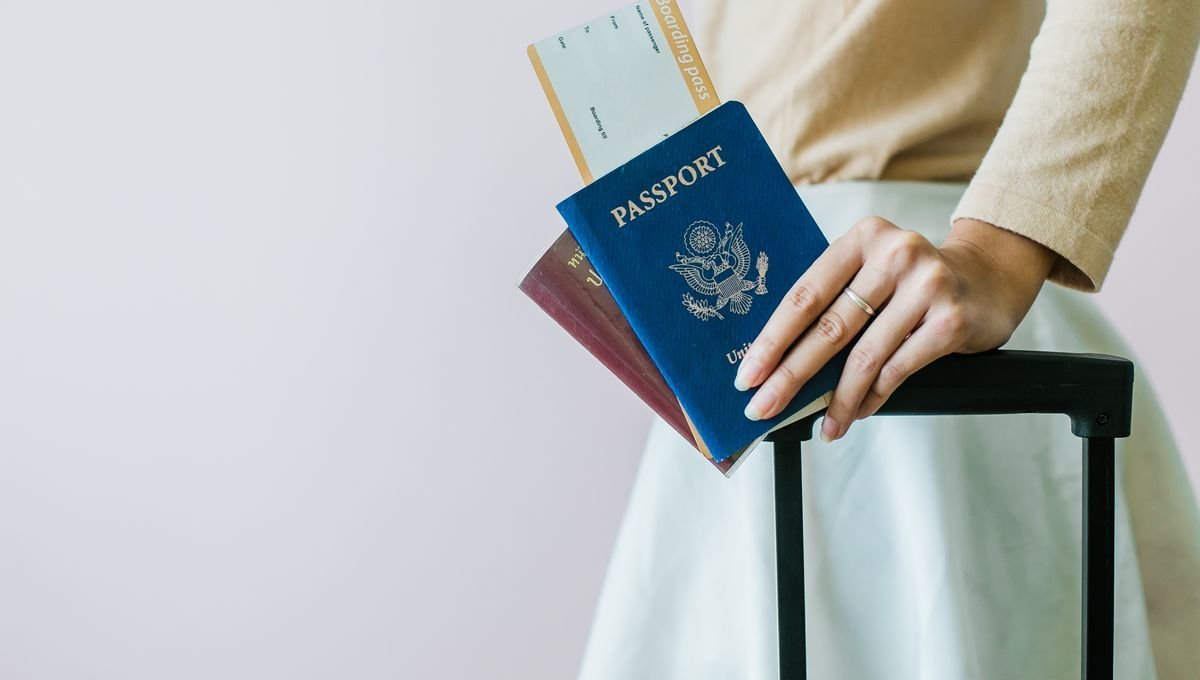
It’s the traveller’s nightmare: you reach for your passport and it’s not there. When people ask what should I do if I lose my passport abroad, the first thing I tell them is to breathe — this happens thousands of times a year, every country has a process for it, and you will get home. Panicking is the only thing that makes it worse.
I’ve helped two friends through this (Barcelona and Bangkok, if you’re curious) and the process is far more straightforward than the fear suggests. Here’s the calm, step-by-step plan: what to do in the first hour, how the embassy helps, and how to stop it happening again.
What should I do if I lose my passport abroad? The first hour
Step one: retrace before you panic. Check every pocket, every bag compartment, the hotel safe (genuinely the most common ‘lost’ location), and with anyone you were travelling with. An enormous proportion of ‘lost’ passports turn up within the hour — left at reception, in a jacket pocket, in the seat-back of a taxi. Call the last places you visited before doing anything official; many embassies will ask if you’ve done this anyway.
If it’s truly gone, file a police report at the nearest station. You’ll need the report number for the embassy and for your travel insurance claim, and in some countries the police report is what opens everything else. Take a photo of the report. Then — and this surprises people — contact your travel insurer as well as the embassy; many policies cover the costs of emergency documents and rearranged travel, but they need notifying promptly. Keep every receipt from this point on.
- Retrace your steps thoroughly — hotel safes and taxi seat-backs first
- File a police report and photograph it
- Contact your travel insurer, not just the embassy
- Keep every receipt for claims later
- Don’t book new flights until you know your document timeline
Getting an emergency travel document
British embassies and consulates can issue an emergency travel document (ETD) — sometimes still called an emergency passport — which gets you home. You’ll need to apply online via gov.uk, then attend an appointment at the embassy or consulate with your police report, proof of travel plans, a passport-style photo, and the fee (around £100). In major cities you can often get the document the same day or within 48 hours; in remote areas it takes longer, which is why you shouldn’t rebook flights until you have a timeline.
The ETD is valid for the specific journey you declare — usually a direct route home, though you can include planned stops. Important: it doesn’t replace your passport permanently, and when you get home you’ll need to apply for a full replacement through the normal process. If your passport was stolen rather than lost, mention it explicitly; some countries’ police procedures differ, and your insurer will want the distinction noted.
Preventing it next time
The best fix is never needing this guide. Before every trip, photograph your passport’s photo page and email it to yourself, save a copy in cloud storage, and leave the details with someone at home. Travel with a photocopy in a separate bag — it speeds up the embassy process enormously. In the hotel, use the safe for the real passport and carry the copy for daily ID; most situations that need ID abroad (buying train tickets, entering museums) accept a copy.
Consider where you keep the document on travel days: a zipped inside pocket or a neck pouch beats a back pocket or an open tote every time. And check the expiry rules before you fly — many countries require six months’ validity, and an expired passport causes exactly the same stranding as a lost one. Renewal from the UK currently takes around three weeks, so don’t leave it to the last minute.
While you wait: hotels, money and keeping calm
Losing your passport usually strands you for 1–3 days while the emergency document comes through — so sort the practicalities. Hotels: you can check in without a passport in most countries (a driving licence or even a clear photo of the passport usually suffices; hostels and small guesthouses are the most relaxed). Money: if your cards were with the passport, contact your bank immediately for emergency replacement — most major banks courier cards internationally within 48 hours, and travel insurance often covers emergency cash advances. Western Union transfers from family are the old-school backup that still works.
Keeping calm is a practical skill here, not just wellness advice. The embassy deals with this daily; the process is routine for them. Make a checklist and work it: police report, insurer, embassy appointment, interim accommodation, bank. Each completed step is progress you can see. Stay in touch with home — someone who can email you document copies and liaise with the bank while you handle the local side. And reframe it: in five years this is the story you’ll dine out on. Right now it’s admin. Admin is survivable.
- Hotels usually accept driving licence or passport photo
- Contact bank immediately for emergency card replacement
- Travel insurance may cover emergency cash — ask
- Work a written checklist: police, insurer, embassy, bank
- Keep someone at home looped in for document copies
Lost passport: keep calm and work the list
Retrace, police report, insurer, embassy appointment, emergency travel document, fly home. It’s stressful but it’s a solved problem — consular staff deal with this every single day and the system works. The people who suffer are the ones with no copies, no insurance and no patience.
For trips where documents matter most, what travel insurance do I need for a holiday in spain covers travel insurance properly and if my flight is cancelled in the uk explains your rights when flights go wrong too. For the official process and ETD applications, official UK government foreign travel advice is the authoritative source.
And when you’re home, do the 20-minute prevention routine: renew the passport if it’s within a year of expiry, photograph the new photo page, store copies in cloud storage and with a trusted person, and buy a proper travel wallet. The best lost-passport story is the one that never happens twice.