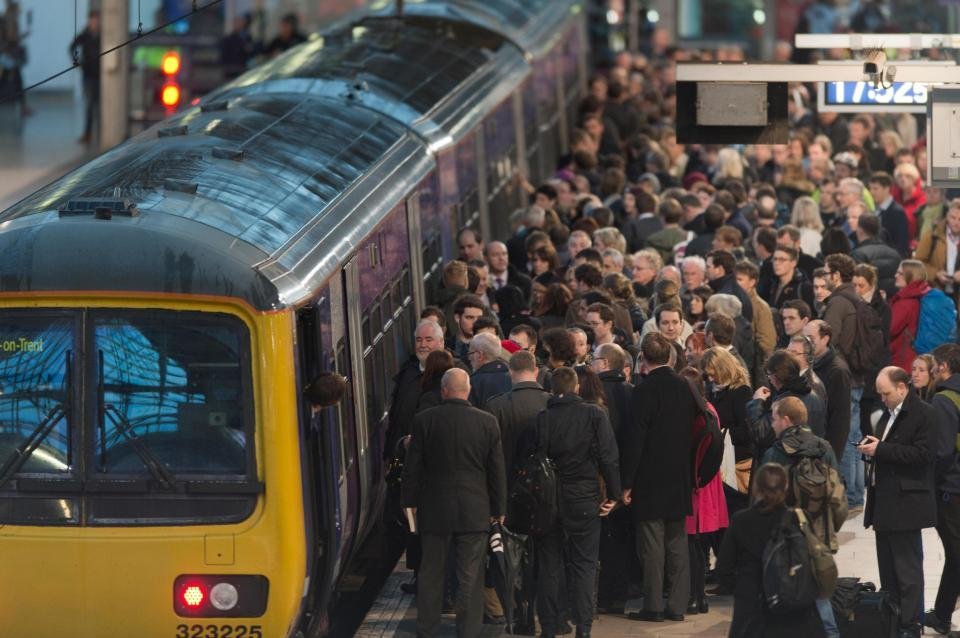
Every winter I seem to end up shivering on a draughty platform somewhere between Leeds and London, watching the departure board tick from ‘delayed’ to ‘delayed’ to something worse. If you’ve asked yourself how do I get a refund for a delayed train in the UK while staring at that same board, you’re not alone — and the good news is that the system, called Delay Repay, is far more generous than most passengers realise.
Millions of pounds in compensation go unclaimed every year simply because people don’t know the rules or assume it’s too much hassle. I’ve claimed a dozen times now and the whole thing takes about five minutes on a phone. Here’s exactly how it works, what you’re entitled to, and what to do when a train company tries to fob you off.
How do I get a refund for a delayed train in the UK? Start with Delay Repay
Delay Repay is the nationwide scheme that covers nearly every train operator in Britain, from Avanti West Coast to Great Western Railway. Unlike the old charter system, it doesn’t matter whose fault the delay was — signal failure, staff shortages, a broken-down train in front of yours — if you arrive 15 minutes or more late at your destination, you can claim. The refund is based on the price you paid, and you claim from the operator of the first train that caused the delay, not whoever sold you the ticket.
Here’s the part that surprises people: you don’t need to have bought the ticket from the train company. Booked through Trainline, split your tickets across two apps, or tapped in with a contactless card on a London commuter route — you’re still covered. Keep your tickets or booking confirmation emails until any claim is settled, and screenshot the live departure board showing the delay if you can. It takes seconds and it ends arguments later.
- Go to the website of the train operator that ran your delayed service and find their Delay Repay page.
- Enter your journey details, the scheduled and actual arrival times, and upload a photo or PDF of your ticket.
- Choose how you want paying: bank transfer, cheque, or vouchers (always take the cash, vouchers are worth less to you).
- Submit within 28 days of the journey — this deadline is strict and late claims are routinely refused.
- Expect a decision within about 20 working days; chase them if you hear nothing after a month.
What counts as a delay, and what doesn’t
The compensation bands are fixed and refreshingly simple. Arrive 15 to 29 minutes late and you get 25% of a single ticket’s price back, or 12.5% of a return. Between 30 and 59 minutes, that rises to 50% of a single or 25% of a return. Hit the hour mark and you get the full single fare back, or half the return — and at two hours or more, the entire return fare comes back to you. Season ticket holders get a proportion of the daily cost for each qualifying delay.
A few things trip people up. The clock measures your arrival at your final destination, not when the train left the platform, so a late departure that still gets you there on time doesn’t qualify. Missed connections count too — if your first train was late and you missed the connection, the operator of that first train owes you for the whole journey’s delay. Strikes are the grey area: some operators pay Delay Repay during industrial action and some don’t, so always check the specific operator’s policy on strike days.
- 15–29 minutes late: 25% of a single fare back
- 30–59 minutes late: 50% of a single fare back
- 60–119 minutes late: 100% of a single fare back
- 120+ minutes late: 100% of a return fare back
- Cancelled outright: claim as a 120+ minute delay and ask for a full refund instead if you abandon the trip
Season tickets, split tickets and advance fares
If you commute with a season ticket, you don’t need to claim every single delay manually on most operators now. Several companies, including Govia Thameslink and South Western Railway, run automatic Delay Repay for smartcard and contactless season ticket holders, paying compensation straight to your account when their systems detect a qualifying delay. It’s worth registering your season ticket on the operator’s site to switch this on — free money for delays you’d otherwise shrug off.
Split ticketing is where savvy travellers save a fortune, and yes, Delay Repay still applies. The rule is that your split tickets must cover one continuous journey with valid connections, and the delay is measured against the through journey. Advance singles, off-peak returns, anytime tickets — the fare type doesn’t matter, only the price paid and the minutes lost. One caveat: if you abandon your journey entirely because of a cancellation, you’re entitled to a full refund of unused tickets from whoever sold them, which is separate from Delay Repay.
If your claim gets rejected
Rejections happen, and in my experience about half of them are wrong. The most common reasons are claiming from the wrong operator, missing the 28-day window, or the company insisting the delay was under 15 minutes when your arrival was clearly later. Don’t just accept the first ‘no’. Reply with your evidence — ticket photos, screenshots of live train times, even a photo of the station clock — and ask them to reconsider, quoting the specific arrival time from a journey-tracking app.
If they still won’t budge, escalate. Every operator has a formal complaints process, and beyond that sits the Rail Ombudsman, a free independent service that can order the company to pay. I’ve seen passengers win back hundreds of pounds this way. Keep every email, note down the names of staff you speak to, and give the ombudsman the full timeline. Train companies know most people give up after one rejection; being the person who doesn’t is usually enough.
- Double-check you claimed from the operator of the delayed train, not the ticket retailer.
- Gather dated evidence: tickets, screenshots, booking confirmations.
- Ask for a formal reconsideration in writing, quoting your actual arrival time.
- Escalate to the Rail Ombudsman if the operator’s final answer is still no.
The bottom line on train delay refunds
Claiming for a delayed train is one of those small admin jobs that genuinely pays for itself — a couple of 40-minute delays on an expensive intercity route can put £50 or more back in your pocket over a year. Set a phone reminder for the evening of any delayed journey, keep your tickets in one email folder, and treat Delay Repay as part of the cost of the ticket rather than a bonus.
If your whole trip went sideways, our guide on if my flight is cancelled in the uk covers your rights when flights fall apart too, and get cheap rail tickets with a railcard in the uk will help you pay less for the ticket in the first place. For live departure information to back up a claim, National Rail’s journey planner is the most reliable source.