
There’s a special kind of morning chaos that ends with you eating a cereal bar over the sink while your toast burns. We’ve all been there. But the healthiest breakfast to eat before work isn’t some elaborate weekend brunch — it’s a fast, repeatable formula that keeps you full, focused and away from the 10:30am vending machine. And it takes less time than queuing at Pret.
What makes a breakfast “healthy” isn’t a superfood label. It’s three things: enough protein to keep you full, fibre to steady your blood sugar, and not so much sugar that you crash by mid-morning. Get those right and the specific foods barely matter. Here’s how to build it.
The healthiest breakfast formula: protein + fibre + a little fat
Most British breakfasts fail on protein. Toast and jam, a bowl of cornflakes, a croissant — all basically sugar delivery systems. Aim for 15–25g of protein and at least 5g of fibre, and you’ll notice the difference in concentration by day three. Some combinations that hit the mark:
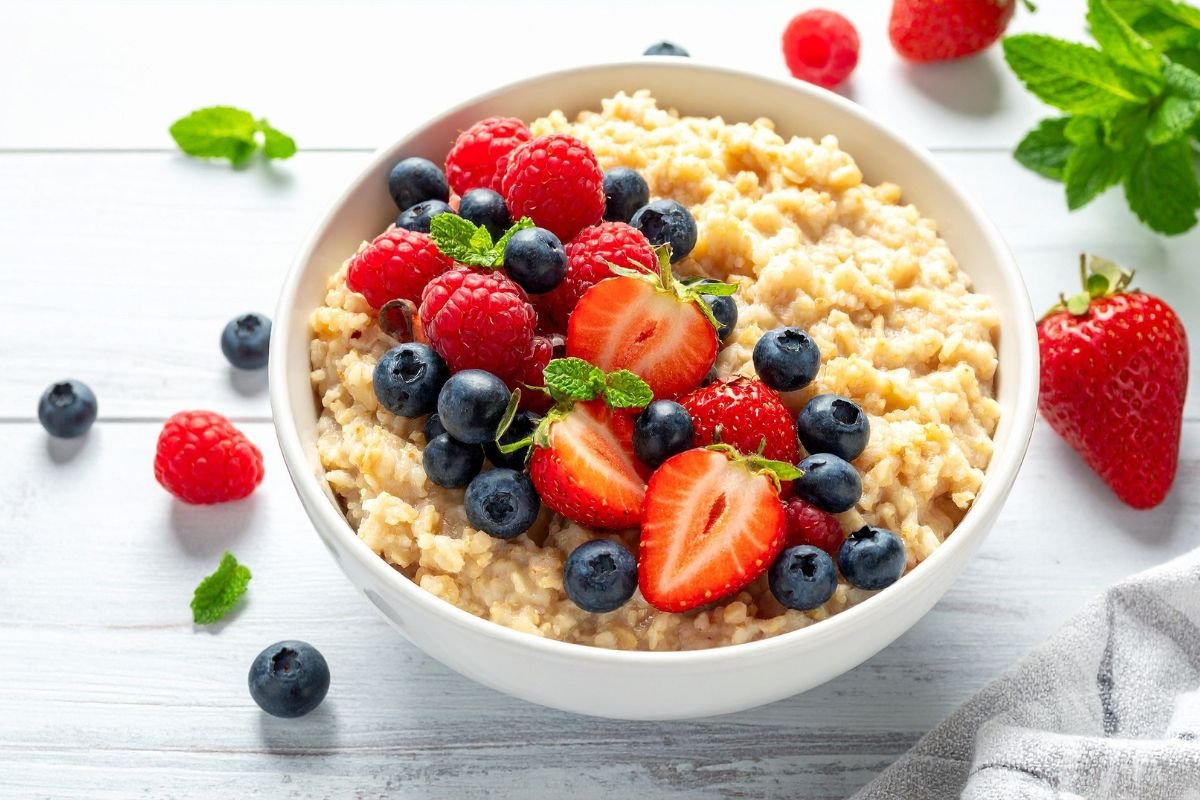
- Porridge with extras: 50g oats made with milk, topped with a spoonful of peanut butter, a handful of frozen berries and a sprinkle of seeds. Around 15g protein, loads of fibre, costs under 60p. The king of budget healthy eating.
- Greek yoghurt bowl: 200g Greek yoghurt (the 0% fat or full-fat debate barely matters — pick what you enjoy), berries, a small handful of nuts and a drizzle of honey. 20g+ protein in three minutes flat.
- Eggs on wholegrain toast: two eggs any style on granary or sourdough with spinach or tomatoes. Roughly 18g protein. Batch-boil eggs on Sunday for grab-and-go mornings.
- Overnight oats: oats, milk or yoghurt, chia seeds and fruit in a jar overnight. Zero morning effort, endlessly customisable.
- Smoothie (done right): the danger is fruit-only sugar bombs. Build it properly: Greek yoghurt or milk, a banana, frozen berries, a spoonful of oats or nut butter. Drinkable, genuinely filling.
What to avoid (or at least rethink)
Nobody’s saying never eat a croissant again. But know what you’re getting: most pastries, sugary cereals and “breakfast biscuits” deliver a glucose spike, an insulin response, and hunger returning with a vengeance by 10:30. Fruit juice counts too — a glass of orange juice has nearly as much sugar as cola, without the fibre of the whole fruit. And those “healthy” granolas? Check the label: many contain 25–30g of sugar per 100g. If you’re trying to reduce sugar without feeling deprived, breakfast is the easiest win of the day.
The coffee question
Coffee itself is fine — the evidence on moderate coffee consumption is broadly positive. The problem is what rides along with it: the syrup-laden £4 latte with 40g of sugar, or coffee so late it wrecks your sleep. Keep it before midday, go easy on the sugar, and you’re golden.
For the “I have no time” mornings
The healthiest breakfast is the one you’ll actually eat, so build a system for chaotic days:
- Prep on Sunday: overnight oats in jars, boiled eggs, portioned nuts and frozen smoothie bags. Ten minutes, five mornings sorted.
- Keep desk staples: oatcakes, peanut butter sachets, apples and a bag of mixed nuts in your drawer beat any vending machine.
- The two-minute fallback: Greek yoghurt + banana + handful of nuts. No cooking, no excuses.
- Commute-friendly: a peanut butter and banana wholemeal sandwich travels brilliantly and costs about 50p.
If mornings are chaos because of kids rather than work, getting them eating veg later is its own battle — here’s how to get your child to eat more vegetables without the dinner-table wars.
Does breakfast timing matter?
Less than the wellness industry claims. The old “most important meal of the day” line came from a cereal marketing campaign, not science. What matters is that when you do eat, it’s balanced — whether that’s 7am or 10am. If you’re genuinely not hungry until mid-morning, a proper mid-morning meal beats forcing down toast at 6:30. Listen to your body; just don’t let “not a breakfast person” become code for “pastry at 11”.
Five make-ahead breakfasts for the whole week
The healthiest breakfast is the one you’ll actually eat on a Wednesday morning when you’re already late. These five are prepped in bulk on Sunday and grabbed all week — each hitting the protein-plus-fibre formula.
1. Overnight oats, five jars (£0.60 each). Oats, milk or yoghurt, chia seeds, frozen berries, a spoonful of peanut butter. Into jars, into the fridge. By morning the oats have softened and the berries have thawed into a compote. Around 15g protein with Greek yoghurt — add a boiled egg on the side if you want more.
2. Egg muffins (12 for the week, ~£0.35 each). Beat a dozen eggs, pour into a greased muffin tin with chopped veg, cheese and ham or smoked salmon bits. 20 minutes at 180°C. Two or three per morning, eaten cold or microwaved. They keep five days refrigerated.
3. Chia pudding pots (£0.70 each). 3 tbsp chia seeds per 200ml milk, vanilla, honey. Sets overnight into a thick pudding. Top with nuts and fruit. High fibre, decent protein, and it feels like dessert.
4. Freezer breakfast burritos (~£0.80 each). Scrambled egg, black beans, cheese, salsa and spinach in tortillas, wrapped in foil, frozen. Microwave 2 minutes from frozen. Make ten at a time; they keep a month.
5. Bulk granola + Greek yoghurt (£0.75/serving). Homemade granola (oats, nuts, seeds, honey, baked 25 min) in a big jar; each morning it’s yoghurt plus a handful. Cheaper and far less sugary than shop-bought granola, and the jar lasts two weeks.
The Sunday prep takes about 45 minutes total and removes every excuse for the pastry-at-the-station default. Rotate two or three of these so you don’t get bored — breakfast variety across weeks matters more than variety within a week.
One thing to skip: the “healthy” shop-bought smoothies and breakfast drinks. Most are sugar delivery systems with a vitamin label — a £3 innocent smoothie can contain 30g+ of sugar. Homemade with Greek yoghurt, frozen fruit and no added sweetener is a different food entirely.
Your takeaway: pick one formula and repeat it
The healthiest breakfast before work is simple: protein plus fibre plus minimal added sugar, assembled in under five minutes. Pick one formula from the list above — porridge, yoghurt bowl, eggs on toast — and make it your default. Your energy, concentration and wallet will all notice within a week.


