Learning how can I lower my blood pressure without medication is one of the most empowering things you can do for your health — because for mild to moderate high blood pressure, lifestyle changes aren’t just “worth trying”, they’re first-line treatment in NHS guidelines. Around 1 in 3 UK adults has high blood pressure, and half don’t know it. If you’ve been told yours is creeping up, the good news is that the same habits that lower it also improve almost everything else about your health.
Important honesty first: this guide is for people with mildly raised blood pressure or those supporting prescribed treatment — not a replacement for medical advice. If your GP has prescribed medication, keep taking it while making these changes, and discuss any plans with them. Some people genuinely need medication regardless of lifestyle, and that’s fine. Our article on AI medical advice risks explains why professional guidance matters for health decisions.
How can I lower my blood pressure without medication?
1. Move more (the single biggest lever)
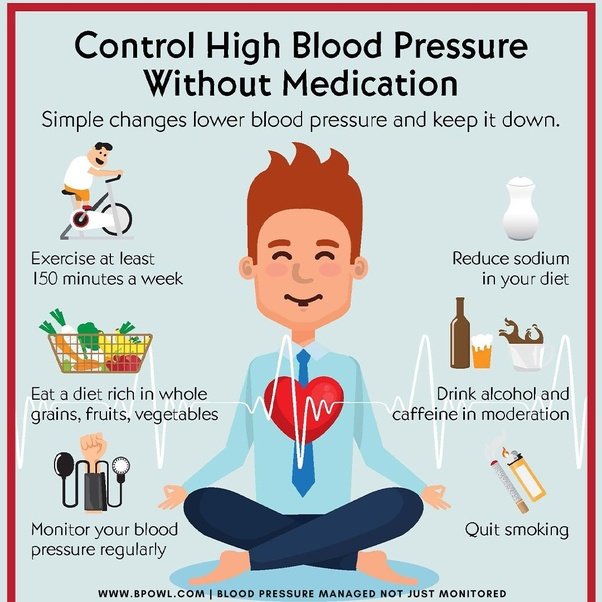
Regular aerobic exercise lowers systolic blood pressure by 5–8 mmHg on average — comparable to some medications. The NHS prescription: at least 150 minutes of moderate activity weekly (brisk walking, cycling, swimming) plus strength work twice a week. But here’s what the guidelines understate: consistency beats intensity. A daily 30-minute brisk walk does more than a heroic weekend workout. If you’re starting from zero, begin with 10-minute walks and build up — the blood pressure benefits start within weeks.
2. Eat the DASH way
The DASH diet (Dietary Approaches to Stop Hypertension) is the most evidence-backed eating pattern for blood pressure: plenty of fruit, vegetables, and whole grains; lean protein; low-fat dairy; and sharply limited salt, added sugars, and saturated fat. In UK terms: more lentil dahls and grilled fish, fewer ready meals and takeaways. Key specifics:
- Salt under 6g daily (the UK recommended max) — most of us eat 8g+. Three-quarters comes from processed food, not your salt shaker: bread, cheese, bacon, ready meals, and takeaways are the culprits. Check labels; you’d be amazed.
- Potassium-rich foods (bananas, beans, spinach, potatoes) help balance sodium’s effects — unless you have kidney problems, in which case check with your GP first.
- Cut back on alcohol: regular drinking raises blood pressure steadily. The UK guideline is 14 units/week maximum, spread out — and less is better for BP specifically.
3. Lose weight if you carry extra
Blood pressure rises with body weight — losing even 5% of body weight produces meaningful BP reductions. You don’t need a dramatic transformation; steady, sustainable loss through the diet and exercise changes above does it.
4. Manage stress and sleep
Chronic stress keeps blood pressure high, and poor sleep does the same — they’re deeply connected. Daily stress-management (even 10 minutes of breathing exercises, walking, or meditation) and 7–9 hours of sleep aren’t luxuries; they’re cardiovascular interventions. Our guides to reducing anxiety without medication and how much sleep adults need go deeper.
5. Quit smoking
Every cigarette spikes blood pressure immediately, and long-term smoking damages artery walls. Quitting is the single best thing a smoker can do for cardiovascular health — benefits to blood pressure begin within days. The NHS Stop Smoking services are free and double your chances of success.
Monitoring: know your numbers
Buy a validated home blood pressure monitor (£20–£40 from Boots or Amazon — look for British Hypertension Society validation) and track readings properly: seated, rested 5 minutes, same time daily, two readings a minute apart. Bring the log to GP appointments — home readings are often more useful than clinic ones (no white-coat effect). The NHS high blood pressure pages explain target ranges clearly.
The DASH diet in practice: a week of eating
Theory is fine, but what does blood-pressure-friendly eating actually look like across a week? Here’s a realistic UK template — not a rigid meal plan, but the pattern: breakfasts rotate between porridge with berries, wholegrain toast with peanut butter and banana, and Greek yoghurt with nuts. Lunches: big salads with beans or chicken, lentil soup with wholegrain bread, leftovers from dinner. Dinners: grilled fish with vegetables and brown rice, chicken stir-fry loaded with veg, bean chilli with wholegrain rice, veggie curry with lentils. Snacks: fruit, unsalted nuts, vegetable sticks with hummus.
The pattern to notice: vegetables at every meal, whole grains instead of refined, protein at every meal, and flavour from herbs, spices, garlic, and lemon instead of salt. Your palate adjusts to lower salt within 2–3 weeks — foods you once found bland taste normal, and previously “normal” foods taste oversalted. It’s one of the faster adaptations in nutrition, and it makes the whole thing sustainable.
Two practical enablers: batch cooking (a big pot of soup or chilli on Sunday covers three lunches) and smart shopping (shop the perimeter of the supermarket — fresh produce, fish, dairy — more than the aisles of processed food). AI meal-planning tools make building these weeks effortless: give them the DASH constraints and your preferences, and they generate the plan and shopping list. Eating for your blood pressure doesn’t require culinary heroics — just a system that makes the healthy choice the easy choice.
One more dietary factor worth mentioning: caffeine and blood pressure. Caffeine causes a short-term spike in blood pressure — more pronounced in people who don’t consume it regularly. If you’re monitoring your BP, avoid caffeine for 30 minutes before readings (or your numbers will mislead you). Long-term, moderate coffee consumption isn’t clearly linked to hypertension, and some studies even suggest protective effects — but the acute effect is real, and timing matters for measurement. As with most things in this guide: know the effect, manage it sensibly, don’t overthink it.
Your practical takeaway
This week: buy a validated home monitor and take baseline readings; cut one high-salt staple from your diet (check your bread and ready-meal labels); and start a daily 20-minute walk. This month: build toward 150 weekly active minutes, reduce alcohol toward the 14-unit guideline, and establish a wind-down routine for better sleep. Recheck your numbers after 8–12 weeks of consistent changes — and keep your GP in the loop throughout. Lifestyle change isn’t alternative medicine; for blood pressure, it is medicine.