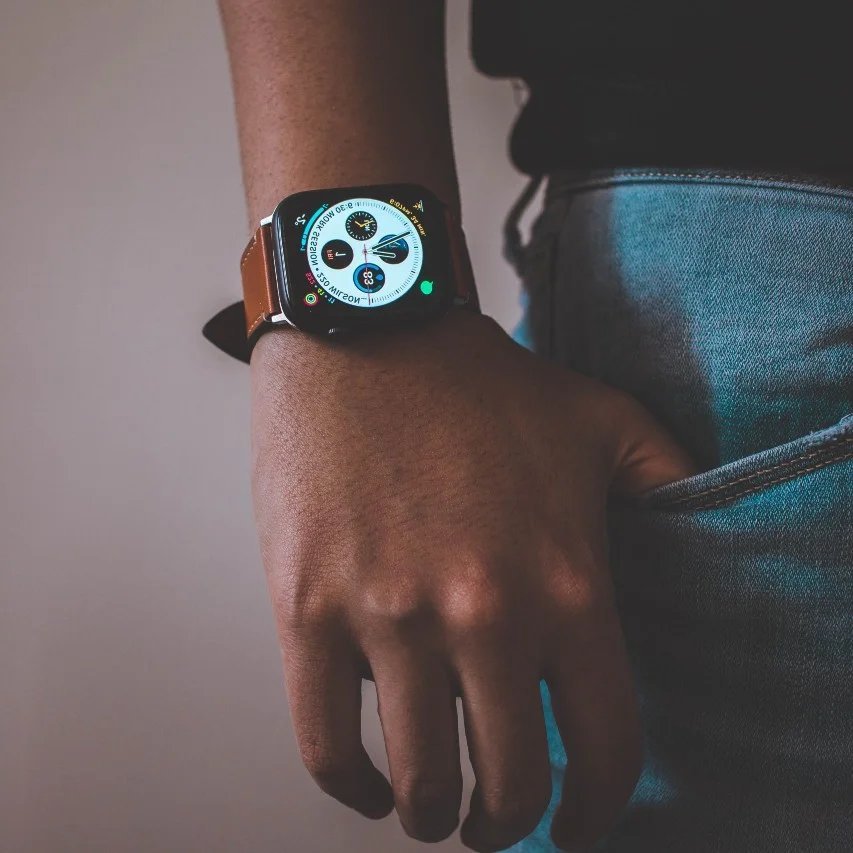
Not everyone wants a coach on their wrist urging them towards a personal best. For many Android owners the appeal is far simpler: gentler health insight, notifications that save reaching for the phone, and a watch comfortable enough to wear through the night.
Compatibility limits that narrow the field at once
The first decision is made for you. Watches from Apple pair only with that company’s phones, so they simply do not belong on an Android shortlist, however attractive they look in a shop window. What remains divides into three broad families: full smartwatches running the shared wearable platform developed for Android, watches from makers with a strong sporting heritage that run their own software, and simpler bands that track the basics behind a small screen or none at all.
Within the shared platform, a further wrinkle appears. Some health features are tied to a particular phone brand or to a companion application that behaves differently depending on the handset it serves. A watch admired on a friend’s wrist may therefore offer you slightly less if your phone comes from another maker. Checking the pairing requirements and the health application on your exact phone model, before spending anything, prevents the commonest disappointment in this market.
Longevity of support matters too. A watch is a small computer, and its usefulness depends on software updates arriving for a reasonable span. Established makers tend to publish clearer commitments, while bargain imports can be orphaned quickly. A modest device with dependable updates usually outlasts a flashier one abandoned after a year, both in features and in security.
Health insight that speaks in plain language
For the non athlete, the health features that earn their keep are unglamorous: sleep patterns, resting heart rate trends, daily movement, and a sense of recovery after a demanding day. A good watch presents these as calm observations rather than alarms. It might note that your resting rate has drifted upward across a fortnight, or that your sleep has been shorter and more broken than usual, and leave the interpretation largely to you.
Sleep tracking deserves its central place because it justifies wearing the device overnight, which is when several other measurements are gathered most cleanly. Understanding your own patterns starts with knowing how much sleep an adult really needs each night, since a watch score means little until it is compared against a sensible personal target rather than a generic ideal. Look for reporting that shows duration, regularity of bedtime, and how often you woke, presented in language a tired human can absorb before coffee.
Presentation differs between platforms more than newcomers expect. Some health applications open with a single score, others with a wall of charts, and neither style suits everybody. Screenshots and demonstration videos give a fair preview before purchase, and readers who enjoy the backstory can explore the background and development of Wear OS to see why the shared platform presents health information the way it does. Choose reporting you will actually glance at weekly, because insight buried inside confusing menus might as well not exist.
Keep the limits in view. Wrist sensors estimate; they do not diagnose. Readings wobble with a loose strap, cold skin, tattoos, and vigorous movement, and a single odd number almost always means a measurement quirk rather than a medical event. Trends across weeks are the useful signal. If a device repeatedly reports something that worries you, that pattern is a prompt to speak with a clinician, not a conclusion in itself. Advanced sporting measurements, by contrast, such as detailed running dynamics or exhaustive training load scores, will sit unused by most readers and should not sway the choice.
Battery life and the burden of nightly charging
Charging rhythm quietly decides whether a watch becomes a habit or a drawer resident. Full smartwatches with bright colour screens, voice assistants and constant connectivity commonly need charging every day or two in real use. That suits people with an established nightly docking routine beside the bed, although it collides awkwardly with sleep tracking, which needs the watch on the wrist during the very hours it might otherwise spend on the charger.
Makers describe endurance under gentle assumptions: modest brightness, limited notifications, perhaps no always on display. Real life, with maps glanced at, music controlled, payments made and the screen waking at every message, trims those claims noticeably. Treat published endurance as a best case and look for reports describing mixed ordinary use. A quick top up while you shower and dress can be a workable compromise on faster charging models, turning battery anxiety into a small daily ritual.
Bands and efficiency minded watches sit at the other extreme, running well over a week between charges. That freedom changes behaviour: the watch is simply always there, tracking sleep without negotiation and surviving a holiday without its cable. Anyone who knows they are lax about charging should weight this difference heavily, because the finest health features in the world record nothing on a dead device sitting beside the sink. The wider category context appears in the history and varieties of the smartwatch, which traces how these battery trade offs emerged.
Comfort and size for all day and overnight wear
A watch worn for twenty three hours a day must disappear on the wrist. Weight, case thickness and strap material matter more here than in any specification table. A chunky case that delights on a run can dig into the wrist at a desk, catch on cuffs, and make side sleeping uncomfortable. Smaller cases and softer straps forgive more, and trying a watch on, rather than judging photographs, remains worthwhile wherever a shop allows it.
Strap choice is not a cosmetic afterthought. Silicone tolerates sweat, swimming and washing up, while leather looks smarter but dislikes water and can irritate skin worn tightly overnight. Fabric straps breathe well and adjust finely, which helps because a watch needs to sit snug for reliable heart readings yet loose enough not to leave marks by morning. Many owners end up with two straps, swapping between work and exercise, and standard fittings make that cheap and easy.
Skin reacts individually too. Anyone with sensitive skin should favour smooth case backs, keep the underside clean and dry, and give the wrist some unstrapped time each day. A device bought for health should not become a source of itching that ends with it abandoned in a drawer by spring.
Notifications and payments in daily use
The everyday magic of a smartwatch is triage. A glance at the wrist sorts messages into those demanding the phone and those that can wait, which reduces the number of times a phone is picked up and a train of thought is lost. Calls can be declined politely, timers set while cooking, and calendar reminders acknowledged, all without hunting for a handset in another room. The discipline is to prune notifications ruthlessly at the start, allowing through only people and applications that genuinely merit interrupting you.
Contactless payment from the wrist is the other quiet triumph. Tapping a watch at a till or a transport barrier is quicker than producing a card and far quicker than unlocking a phone with full hands. Setting it up takes a few minutes with your bank, and a wrist code protects it when the watch leaves your arm. Check that your particular bank supports the watch payment service you are considering, because support still varies and discovering a refusal at a busy barrier is nobody’s idea of convenience.
Voice assistants, music storage and applications extend the picture for some owners, though many find a week in that the watch settles into a smaller honest routine: time, notifications, sleep, steps, payments. Buying for that honest routine, rather than for an imagined life of wrist based everything, leads to better choices and fewer regrets.
Cases where a simple band does the job better
A band strips the idea to its essentials: movement, sleep, heart trends, silent alarms and phone notifications reduced to a buzz and a line of text. There is no application store, no payment in many models, no answering calls from your wrist. In exchange you get a device that is lighter, hardier, far longer lasting between charges, and considerably less demanding of attention.
That restraint suits more people than marketing suggests. Anyone who dislikes being reachable on yet another screen, who wants sleep insight without nightly charging negotiations, or who simply wants to know whether they move enough during an ordinary week, will be well served. Bands also make forgiving gifts and sensible first purchases, because the commitment is low and the habits they build, wearing something overnight, checking trends weekly, reveal whether a fuller watch would genuinely add anything.
Bands lose out where the screen itself is the point. Reading a full message, following a map prompt, paying at a barrier, or controlling music without touching a phone all belong to watch territory. If those moments already frustrate you daily, a band will feel like a half measure rather than a virtue.
Choosing between a full watch and a lighter tracker
Start by naming the two or three jobs you actually want done. If they are sleep insight, gentle activity encouragement and fewer phone pickups, both families qualify and battery life should probably decide. If payments, message replies and rich notifications join the list, the full watch earns its charging burden. Let the jobs lead and the catalogue follow, rather than falling for a flagship feature you will demonstrate twice and forget.
One option rarely worth the extra ongoing amount for non runners is the cellular version. It lets the watch connect independently when the phone is absent, which is liberating on a run and largely pointless for someone whose phone is always in a pocket or bag nearby. It also shortens battery life and adds a continuing charge. Unless leaving the phone behind is a real weekly pattern, skip it without regret.
Whichever direction you choose, buy the device you will still be wearing in six months. Comfort you forget, charging you can sustain, and information you understand beat specifications you admire. A modest tracker worn faithfully tells a truer story about your health than a magnificent watch recharging in a drawer, and for the Android owner seeking calm rather than coaching, that faithful story is the whole point.