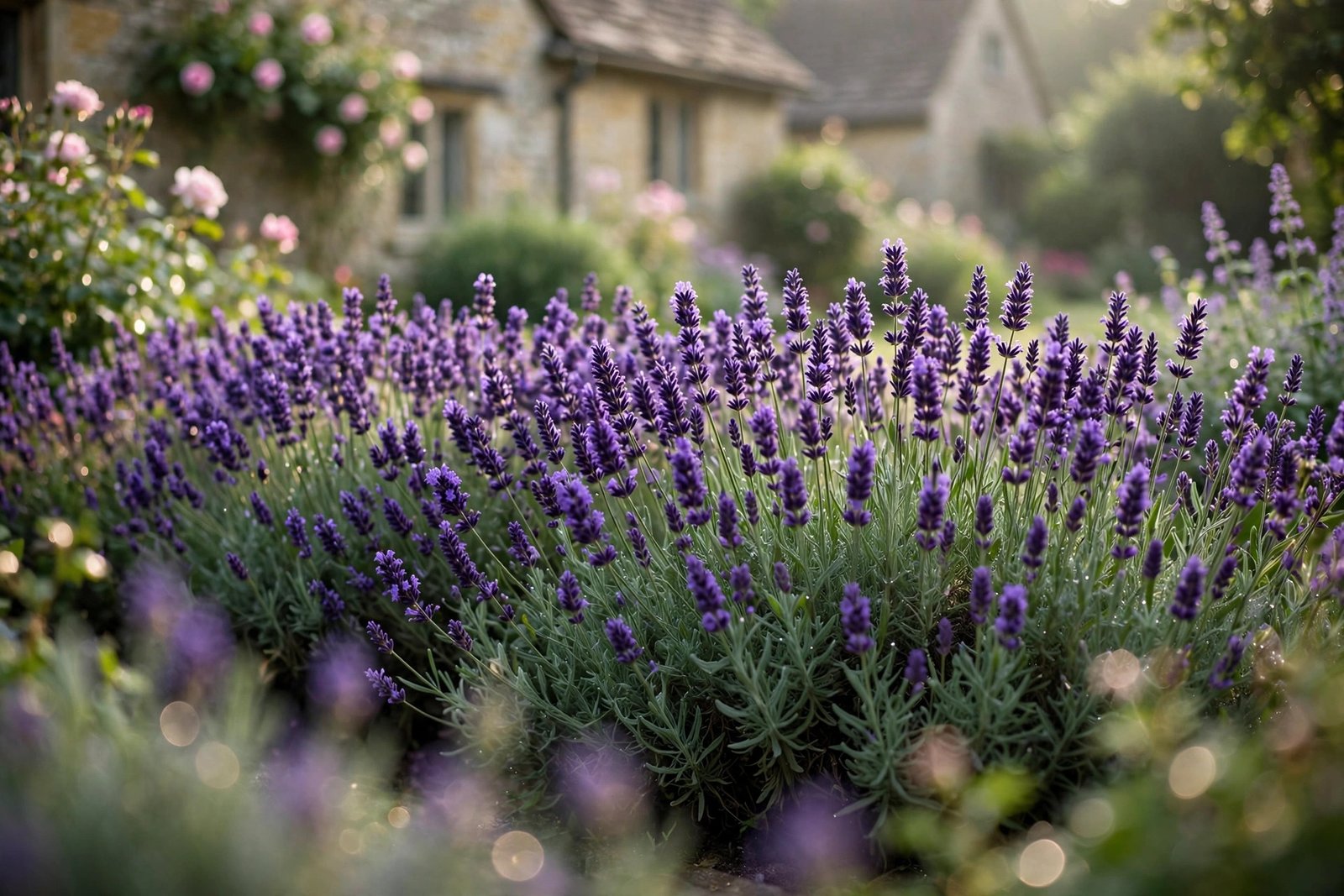
There is something quietly magical about brushing past a lavender hedge on a warm evening and having the air fill with that clean, honeyed scent. Growing lavender is one of those gardening projects that looks deceptively simple — stick a plant in the ground and wait — yet plenty of beginners watch their first lavender plants go grey, leggy and miserable within a year. The good news is that lavender is genuinely easy to grow once you understand what it actually wants: sun, drainage and a bit of respectful neglect. This guide walks you through everything a complete beginner needs, from choosing the right variety for a British garden to planting, pruning and harvesting your first crop.
Why Lavender Is Perfect for Beginners
Lavender has a reputation as a Mediterranean diva, but in truth it is one of the most forgiving plants you can grow in the UK — provided you respect its one non-negotiable rule. Native to the dry, rocky hillsides of southern Europe, lavender evolved to survive poor soil, baking sun and months without rain. That evolutionary history tells you everything about its care: it wants to be left alone far more than it wants to be fussed over.
Choosing the Right Lavender for a British Garden
English lavender vs French lavender
The single most important decision is which type to buy. English lavender (Lavandula angustifolia) is the hardy workhorse — varieties like ‘Hidcote’, ‘Munstead’ and ‘Imperial Gem’ survive temperatures down to around −15°C and shrug off British winters. French or Spanish lavender (Lavandula stoechas, the one with the showy “bunny ear” petals) looks spectacular in a pot but is only half-hardy and often dies in a cold UK winter. For a beginner, English lavender is the answer, every time.
‘Hidcote’ is the classic choice: compact, deep violet flowers, intensely fragrant, and perfect for low hedges. ‘Munstead’ is slightly looser and paler but exceptionally hardy — a good pick for exposed northern gardens. ‘Gros Bleu’ flowers later and is prized for oil production. Buy named varieties from a reputable nursery rather than generic “lavender” seedlings, because named cultivars behave predictably.
Where to buy healthy plants
The One Rule: Drainage Above Everything
If you take nothing else from this guide, take this: lavender dies from wet feet, not from cold. In the UK, winter wet kills more lavender than frost ever will. Heavy clay soil that holds water through winter will rot the roots and turn your plant grey and mushy by spring.
Test your soil by digging a hole 30cm deep, filling it with water, and timing how fast it drains. If the water is still sitting there after four hours, your drainage needs work. The fix is straightforward: plant on a slight mound, dig in generous amounts of horticultural grit (not sand, which can set like concrete in clay), and consider a raised bed for very heavy soils. Lavender prefers neutral to slightly alkaline soil — a pH of 6.7 to 7.3 is ideal — so on very acidic soils, a light scattering of garden lime helps.
Planting Lavender Step by Step
The best planting window in the UK is April to September, with May and June ideal. Planting in spring gives roots a full season to establish before winter. Autumn planting works in mild southern areas but is riskier further north.
- Pick the sunniest spot you have. Lavender needs at least six hours of direct sun daily. A south-facing border or the sunny side of a path is perfect.
- Dig a hole twice the width of the pot and the same depth. Loosen the sides so roots can spread.
- Mix grit into the backfill — roughly one part grit to two parts soil — and add a handful of slow-release fertiliser if your soil is poor.
- Set the plant at the same depth it was in the pot, firm gently, and water in well just once.
- Space plants 30–45cm apart for a hedge (30cm for ‘Hidcote’), or 60–90cm for specimen bushes.
- Mulch with gravel, not bark. A 3–5cm layer of pea gravel keeps the crown dry and reflects heat up into the plant. Bark mulch holds moisture against the stems and can cause rot.
For growing your own vegetables in a small UK garden, the same drainage principles apply, and lavender makes an excellent companion plant at the sunny end of a veg bed, drawing in pollinators that boost your crops.
Watering and Feeding: Less Is More
Newly planted lavender needs regular watering for its first summer — roughly once a week in dry spells — while roots establish. After that first season, established lavender in the ground almost never needs watering in the UK climate. Overwatering is the classic beginner mistake: the plant’s Mediterranean roots suffocate in constantly damp soil.
Feeding is similarly minimal. Lavender thrives in poor soil, and rich feeding produces soft, floppy growth that is more vulnerable to winter damage. A light top-dressing of potash-rich fertiliser in spring is plenty; avoid high-nitrogen feeds entirely. If your lavender looks pale, poor drainage is far more likely to be the culprit than hunger.
Pruning: The Secret to a Bush That Lasts
Unpruned lavender turns into a woody, hollow-centered tangle within three years. Pruned lavender stays compact and productive for a decade. The rule is simple: prune lightly and often, never hard.
The annual rhythm
August (after flowering): give the main prune. Cut back the flower stems and about 2–3cm of the current season’s green growth, shaping the plant into a neat dome. This is the important one — it triggers a flush of new growth that hardens off before winter.
April (spring tidy): trim off any winter-damaged tips and lightly reshape, again only cutting green growth.
The golden rule: never cut into old brown wood. Lavender, unlike many shrubs, will not regrow from old wood — a hard cut into the brown stems leaves bare patches that never fill in. If your plant is already a woody mess, it is usually better to replace it than to try to rescue it.
Harvesting and Using Your Lavender
Cut flower stems just as the buds are opening but before they are fully out — this is when the essential oil content is highest. Harvest in the morning after the dew has dried. Tie stems in small bunches and hang upside down in a dark, airy place for two to three weeks to dry.
Dried lavender has dozens of uses: tuck sachets into drawers to scent clothes and deter moths, add buds to baking (lavender shortbread is a revelation), or simply keep a jug of dried stems as a natural air freshener.
For a broader look at making your garden look beautiful on a budget, lavender is one of the best-value structural plants you can buy: a few pounds per plant for a decade of flowers.
Troubleshooting: What Goes Wrong
The RHS lavender growing guide offers detailed variety-by-variety advice if you want to go deeper, and BBC Gardeners’ World has excellent seasonal pruning videos for visual learners.
Conclusion
Starting lavender as a beginner comes down to five decisions: choose hardy English varieties, plant in full sun, fix your drainage before you plant, prune lightly every August, and resist the urge to overwater. Get those right and lavender will repay you with years of scent, colour and bee-filled summer afternoons for almost no ongoing effort.
Frequently Asked Questions
Can I grow lavender in a pot?
Absolutely — lavender does brilliantly in pots, which also solve drainage problems automatically. Use a terracotta pot at least 30cm wide with a gritty compost mix (two parts multipurpose compost to one part grit), and raise it on pot feet so water drains freely. Water only when the top 5cm of compost is dry.
How long does lavender take to grow into a hedge?
Plants spaced 30cm apart in good conditions will knit into a continuous hedge in about three growing seasons. Growth is fastest in the first two years; a 9cm pot plant typically reaches 30–40cm of bushy growth in its first full summer.
Is lavender safe for pets?
Lavender is mildly toxic to dogs and cats if eaten in quantity, due to linalool compounds. In practice, pets almost never eat it because of the strong scent. If your dog is a determined chewer, plant lavender behind a low border edge rather than at lawn level.
When is the worst time to plant lavender?
Late autumn and winter are the worst times — cold, wet soil around unestablished roots is the top killer of new plants. If you buy lavender in November, keep it in its pot in a sheltered spot and plant out in April.
Does lavender really attract bees?
Yes — lavender is one of the best bee plants for a UK garden, supporting honeybees, bumblebees and solitary bees from June to September. ‘Gros Bleu’ and ‘Hidcote’ are consistently rated among the most bee-visited cultivars in pollinator trials.